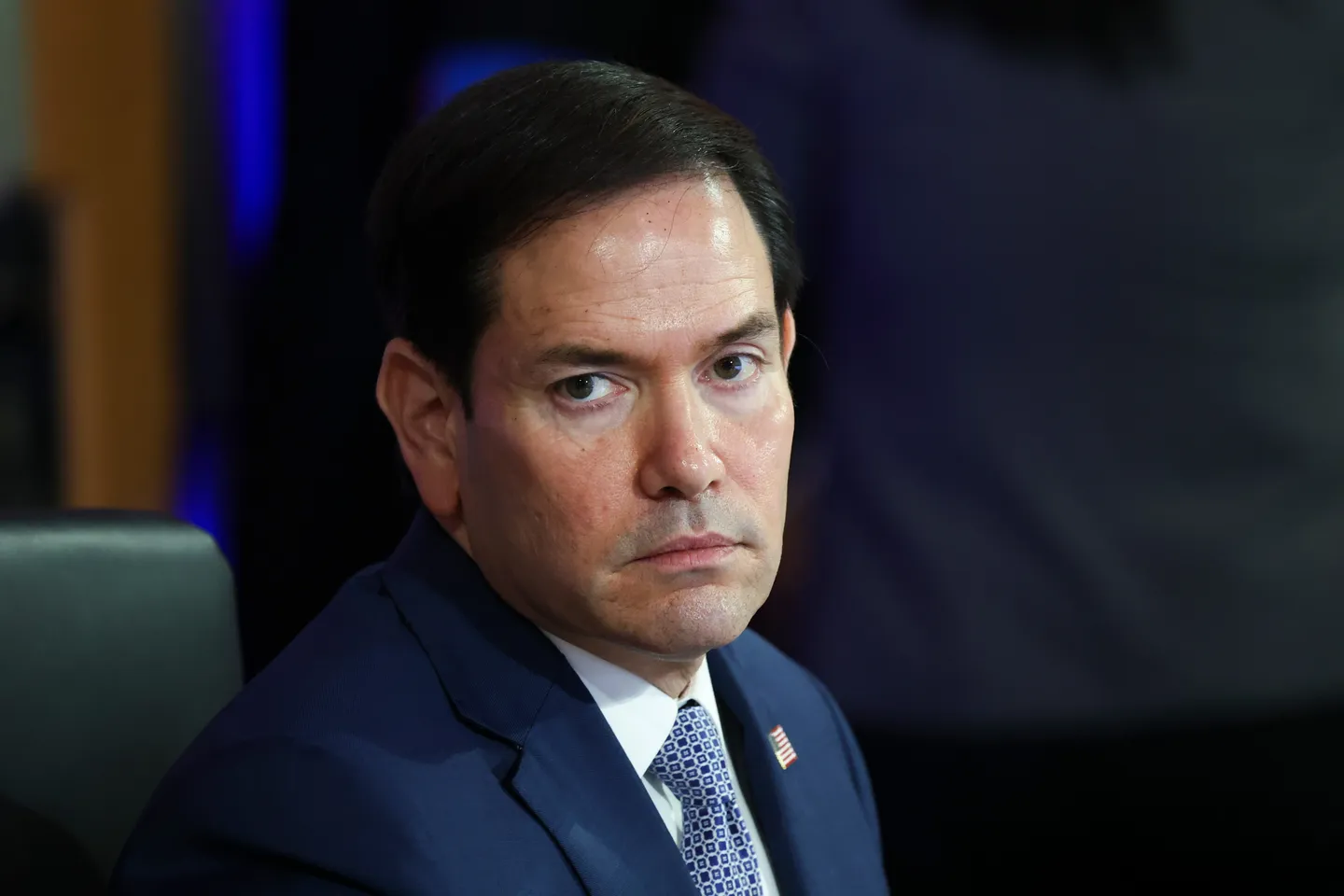
US Secretary of State Marco Rubio has said that Washington remains willing to pursue diplomatic solutions with Iran, emphasising that the US is open to negotiated settlements to resolve differences.
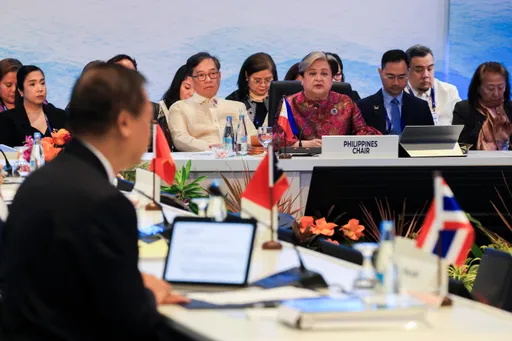
"The United States is always committed to diplomacy. We are open-minded and always willing to engage in negotiated settlements of differences, and that remains true in the case of Iran," Rubio said on Wednesday at a meeting of the Association of Southeast Asian Nations (ASEAN) in the Philippine capital Manila.
He added that Iran has been communicating with Washington both "directly and indirectly" about the possibility of discussions aimed at resolving ongoing tensions.
"The problem we're having right now is that they're not serious about talks."
"If they're serious, we're serious. If they're not, then we will do what is necessary to protect our interests and also the interests of our allies," he said.






'Dangerous precedent'
Rubio reiterated that Washington's preference remains constructive engagement, provided that any commitments reached through diplomacy are respected.
"The United States remains open and willing to engage in positive, constructive negotiations and talks, so long as the commitments that are made are kept. When those commitments are not kept, which is what's happened in this particular case, then there will be consequences, and that has to happen," he said.
Rubio also said that Iranian control of the Strait of Hormuz would set a dangerous precedent with repercussions beyond the Middle East.
"If we create a precedent in the Middle East where a nation-state can decide to control an international waterway, charge a toll, and blow up your ships if you don't pay, we have created a very dangerous precedent that will repeat itself in other parts of the world, including this region," he said.