Iran has fired back at US President Donald Trump's statement that he would soon declare the Strait of Hormuz part of US territory, saying the crucial energy waterway it has blockaded "will remain Iranian".
Trump has repeatedly insisted that the strait, which Tehran effectively closed at the start of the Middle East war in late February, is under US control despite traffic remaining throttled.
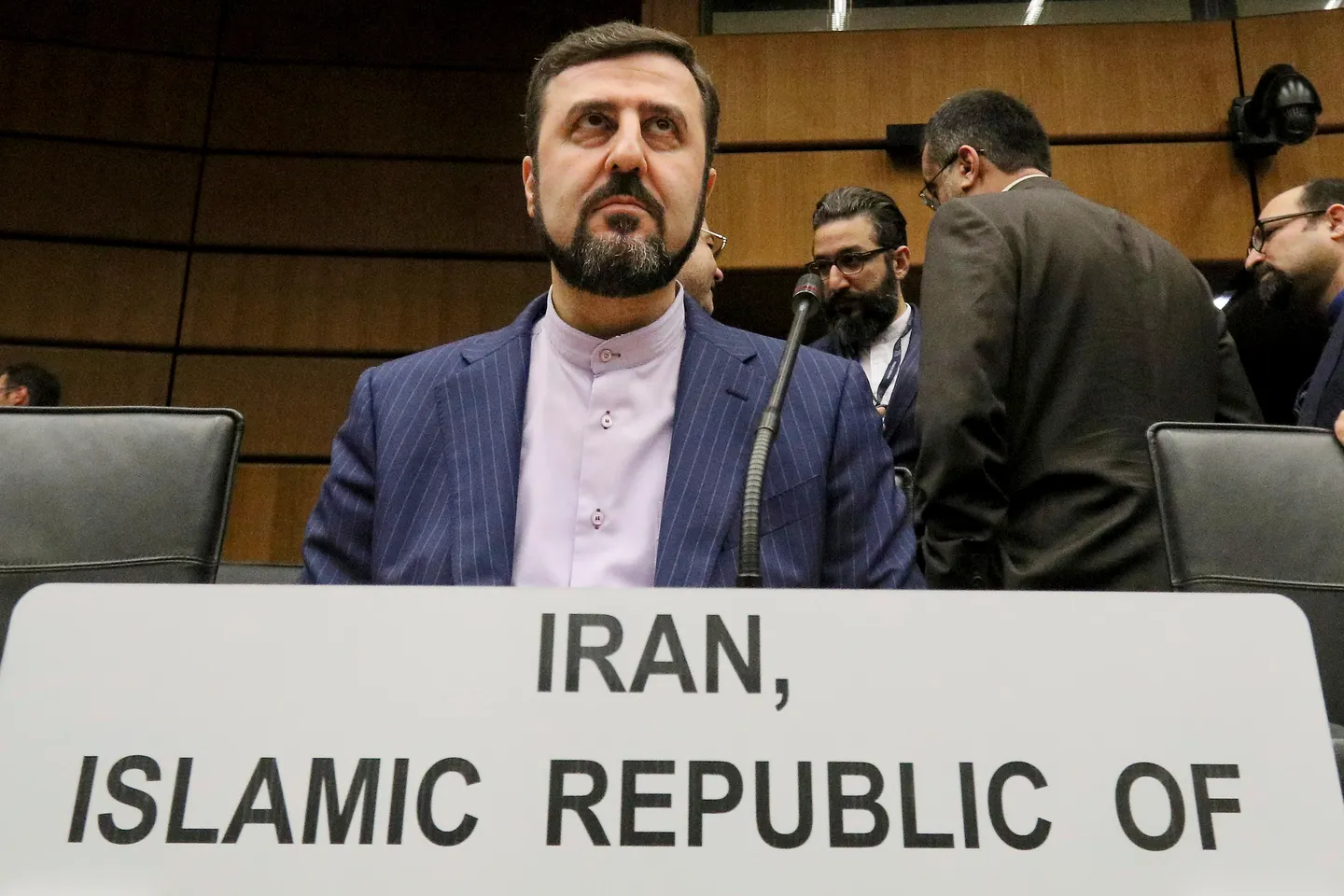
"The Strait of Hormuz has been Iranian, is Iranian, and will remain Iranian," Iranian Deputy Foreign Minister Kazem Gharibabadi said on X.
"This strait will only be closed and opened under Iran's command."
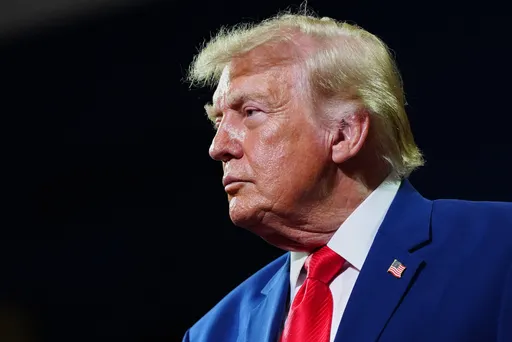
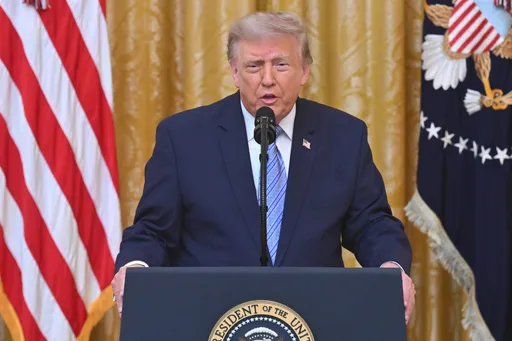
Trump told a political rally in New York state on Friday that after the US defeats Iran, "pretty soon I'll be declaring the Hormuz Strait a territory of the United States."
An unnamed White House official later clarified that Trump was joking, the Wall Street Journal reported.
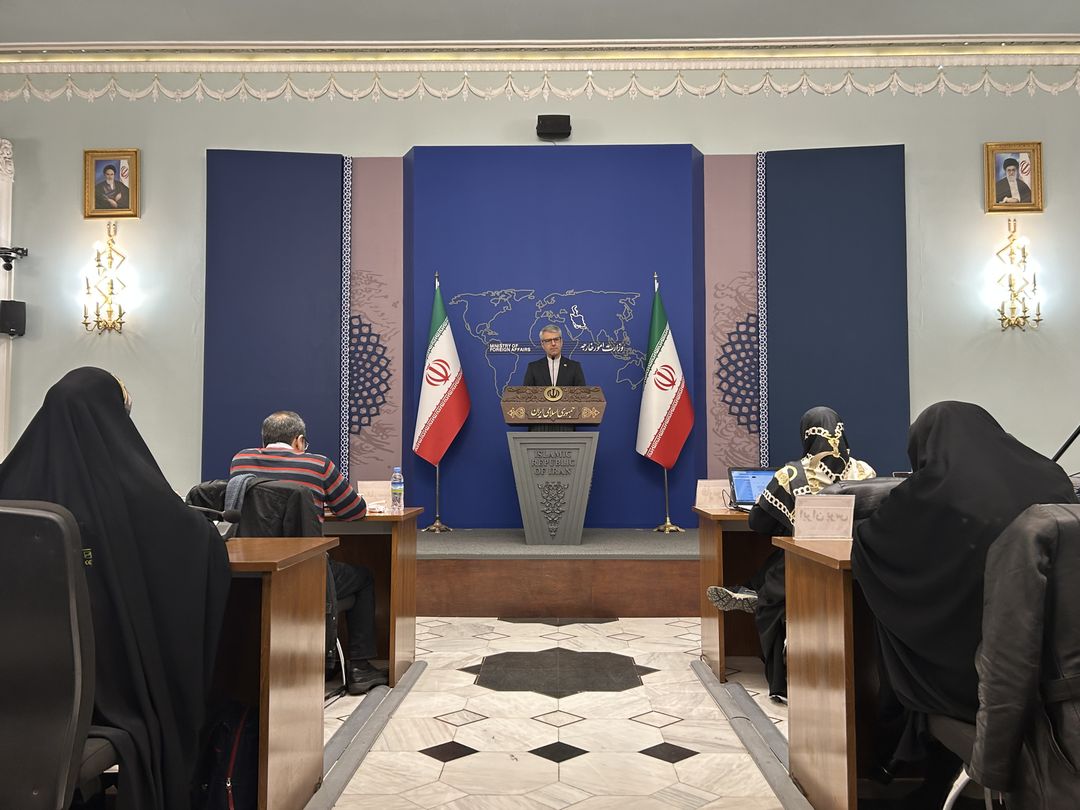
Last week, senior Iranian official Mohammad Bagher Zolghadr demanded an end to "war and aggression against Iran and its allies in Lebanon, Palestine, Yemen, and Iraq", alongside the lifting of sanctions and wartime compensation, as conditions for reopening the strait.
Energy disruption
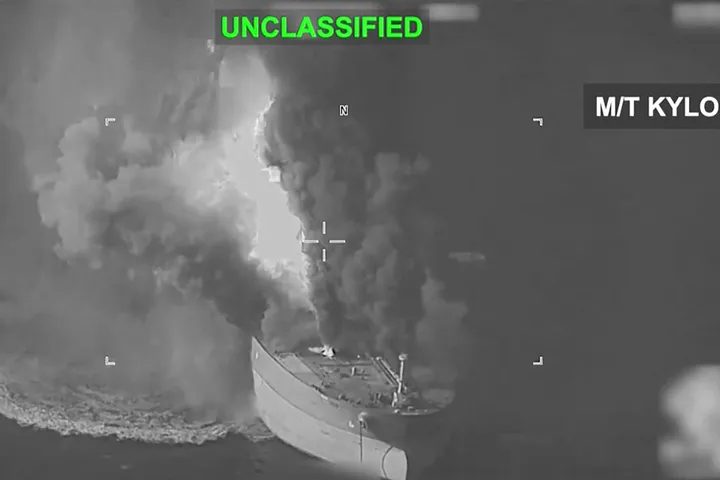
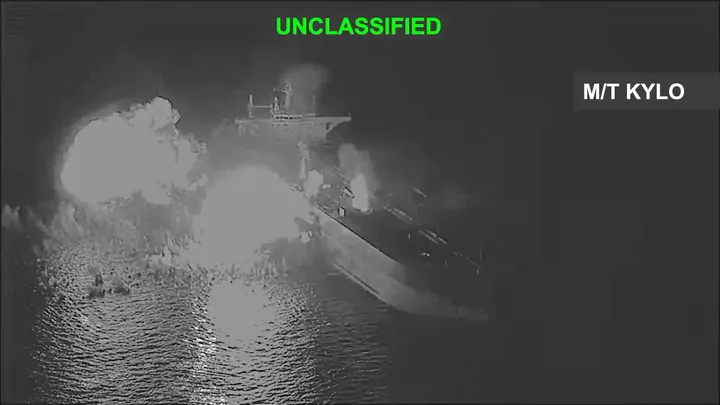
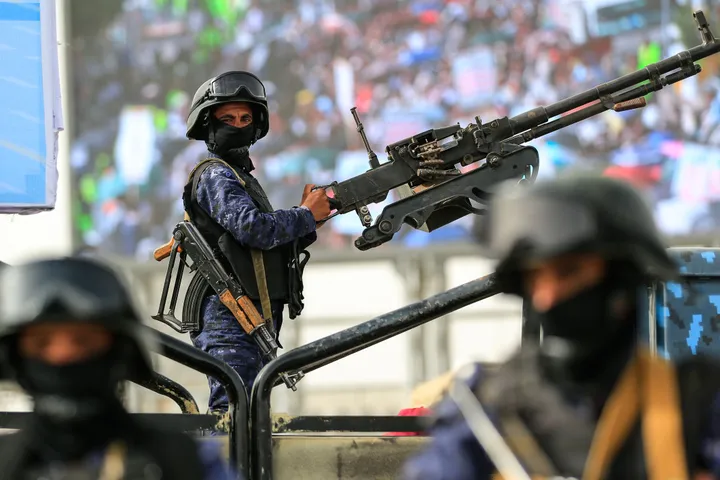
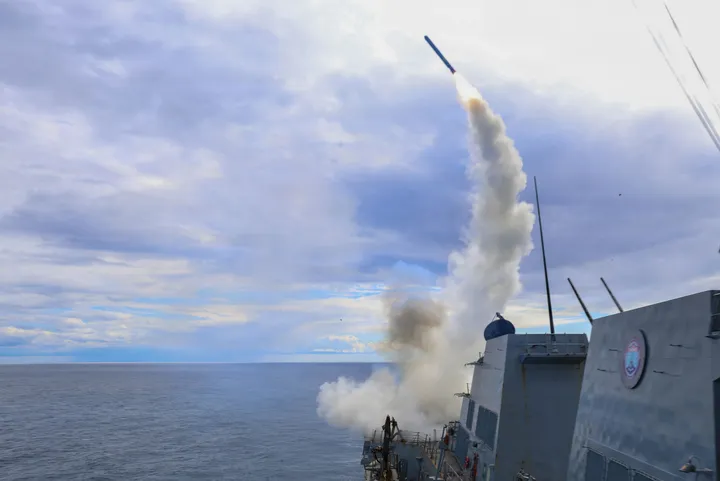


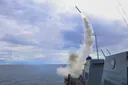
As diplomacy stalls, attacks in the strait have continued, highlighting persistent risks to regional shipping.
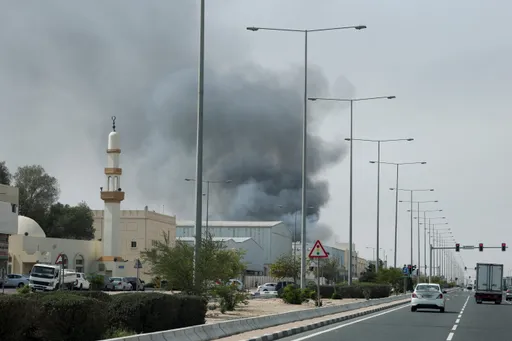
The United Arab Emirates' state-owned oil giant ADNOC said Saturday that one of its vessels came under attack the night before.
Abu Dhabi later blamed Tehran, stating Iran's Revolutionary Guards were engaged in "acts of piracy".
On Friday, the UAE accused Iran of separate attacks on two ADNOC-linked vessels.
Such incidents led to the collapse of an April ceasefire between Washington and Tehran.
A June framework stated Iran and Oman would hash out future arrangements for the strait in line with international law.
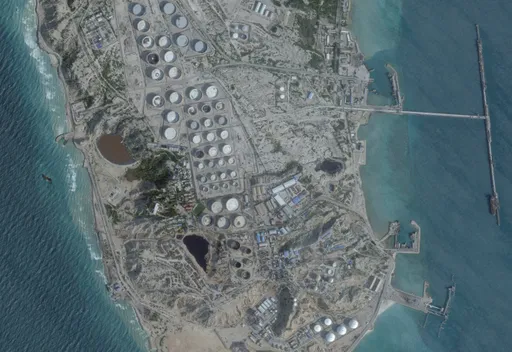
Before the war, the waterway carried roughly a fifth of global oil and LNG exports.
US Vice President JD Vance noted this week that Washington's top priority remains keeping domestic energy prices low.