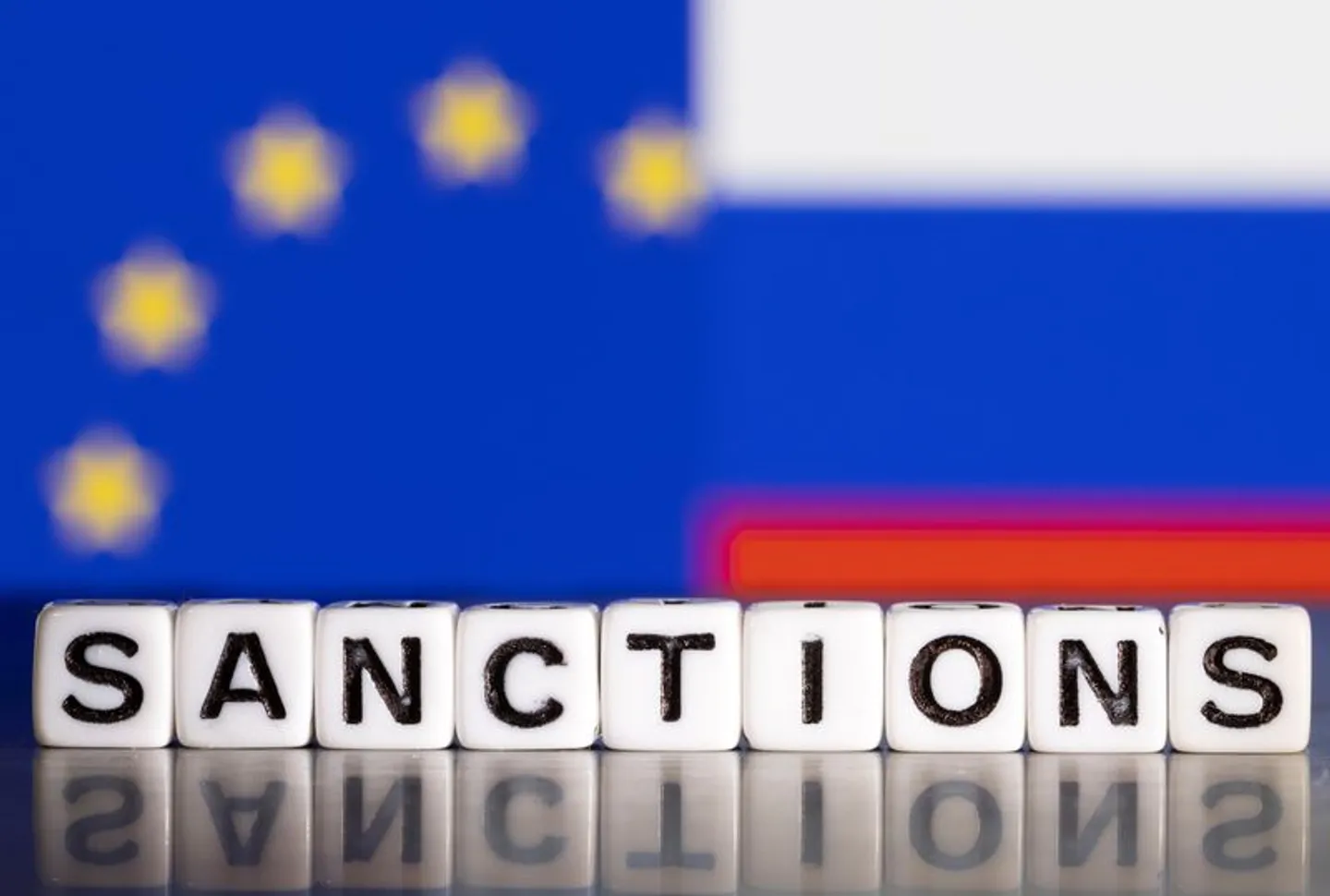
The EU has imposed sanctions on nine individuals and four entities it accused of contributing to Russia-linked cyber activities targeting the bloc, its member states, and international partners.
The European Council said on Monday that the sanctions target Russian military intelligence (GRU) officers, cybercriminals, self-proclaimed hacktivists, and private companies allegedly involved in cyber operations aimed at destabilising the EU.
The bloc said the measures were introduced in response to a range of cyber activities carried out through what it described as a Russian-linked cyber ecosystem involving state and non-state actors.
According to the EU, the targeted individuals and entities contributed to cyber operations affecting public services, critical infrastructure, and government networks, causing disruptions and financial losses.
The bloc also accused Russia's Federal Security Service (FSB) of controlling several cyber threat groups, including TURLA, and carrying out cyber espionage and disruptive operations against European targets.
The EU said members, including France, Germany, Poland, the Greek-administered Cyprus, the Netherlands, Austria, Slovakia, Romania, and Finland, have been affected by Russia-linked cyber activities.
The bloc said it would continue strengthening cooperation with international partners, including NATO, to support what it described as a "free, open, stable and secure cyberspace."
Further sanctions on individuals, entities
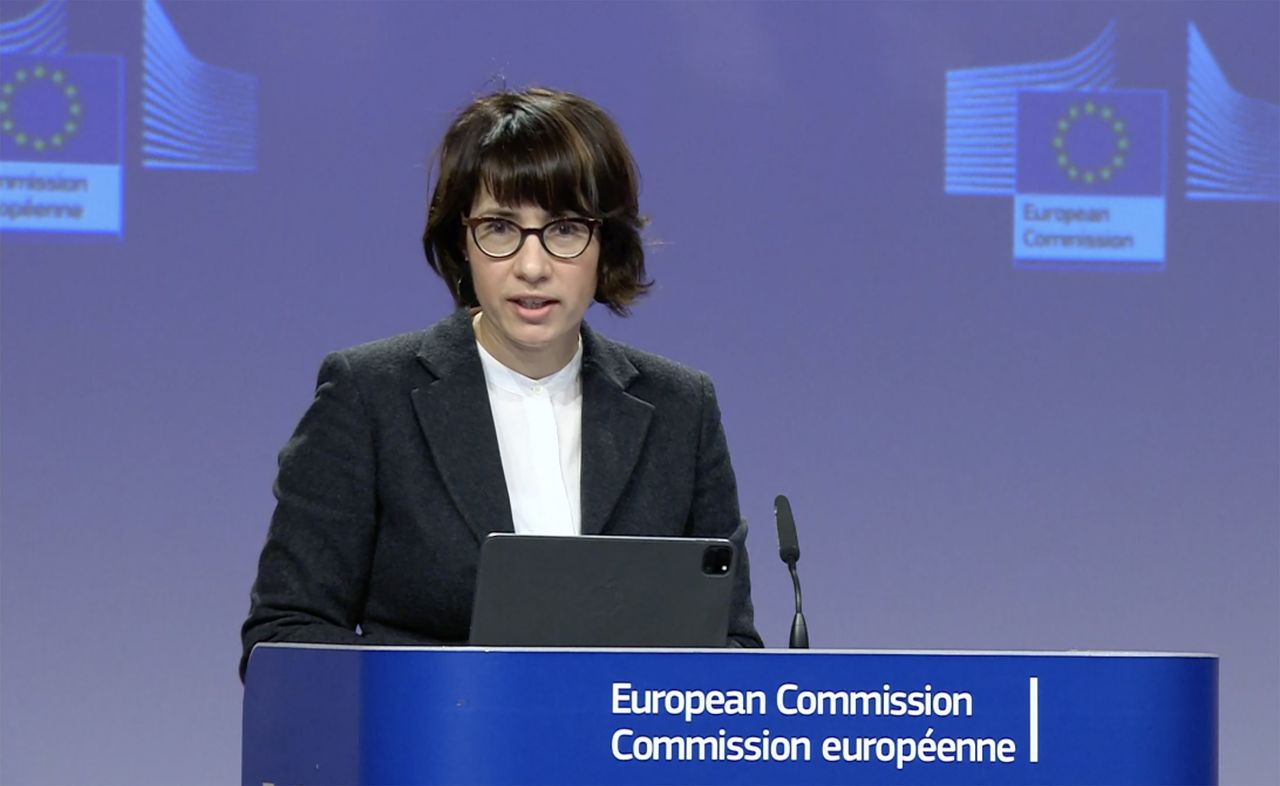
Separately, the European Council said it decided to impose restrictive measures on four individuals and five entities "responsible for serious human rights violations" in Russia.
The EU noted the violations include "the repression of civil society and democratic opposition, and for undermining democracy and the rule of law."
"The listings agreed today include VK Company – also known as VKontakte – and its daughter company Communication Platform, responsible for developing and managing the phone application Max App, under supervision by the FSB," the statement said.
According to the statement, the app comes pre-installed on all mobile devices sold in Russia and includes extensive surveillance features, later used for "repressive actions" against users criticising Russia’s war with Ukraine or posting other content banned by authorities.

"The EU is also imposing restrictive measures on Citadel, VAS Experts and Norsi-Trans, companies which manufacture, develop, and sell hardware and software related to so-called System of Operative Investigative Measures (SORM) – a surveillance system used to control Internet and mobile communications in Russia."
It added that the four sanctioned individuals hold leadership positions in these companies and are therefore responsible for "supporting serious abuses of human rights and for repression of civil society and democratic opposition in Russia."
Russia rejects EU cyberattack allegations
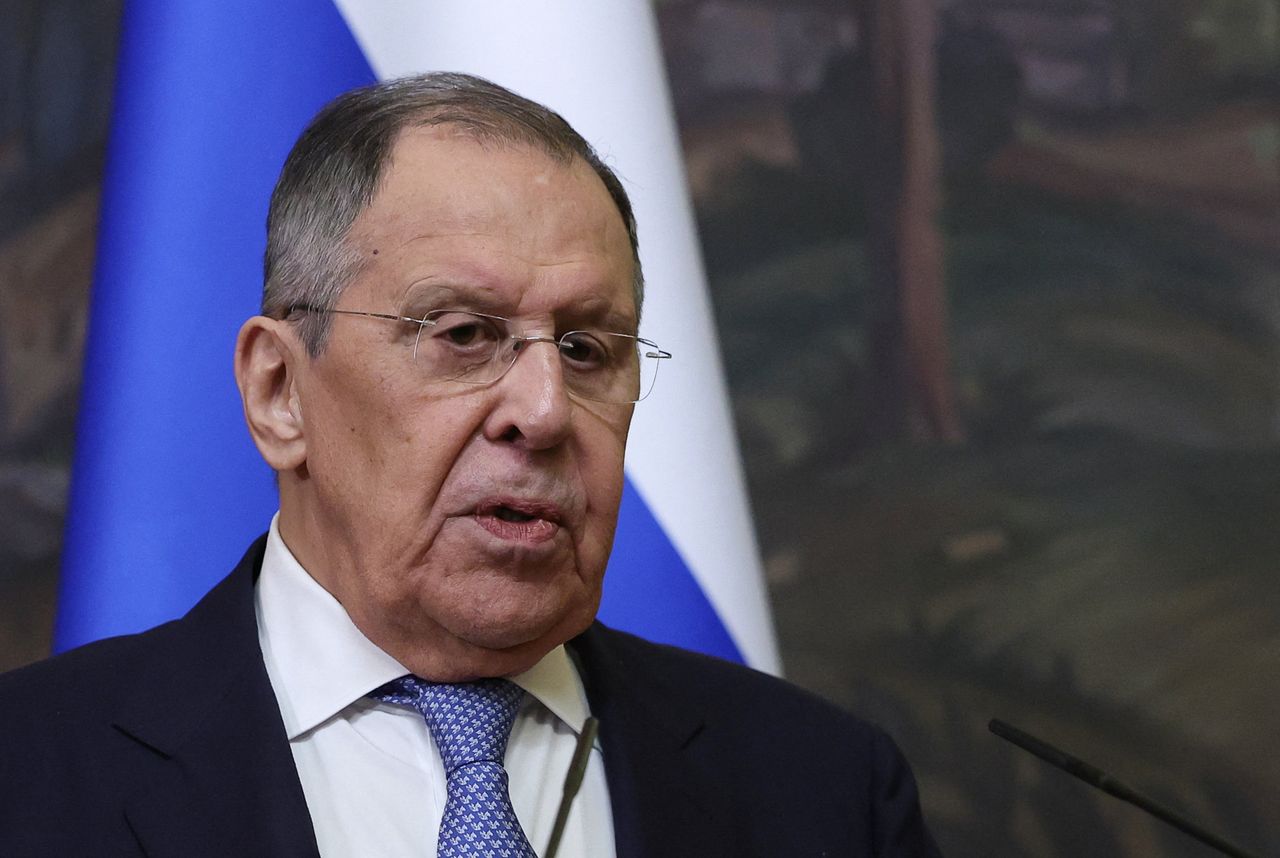
Meanwhile, the Russian Embassy in Germany firmly denied as false EU accusations of cyberattacks on EU states and Ukraine on Monday.
In a statement published on Telegram, the embassy said Russian Ambassador Sergey Nechayev was summoned to the German Foreign Ministry earlier in the day and presented with an EU statement condemning what it described as "cyberattacks carried out by Russian state and non-state actors."
The ambassador was also informed of planned new sanctions against Russian individuals and entities.
"The Russian ambassador categorically rejected the speculations contained in the EU statement, which once again turned out to be unsupported by any evidence. He stressed that threats regarding the EU's expansion of illegal sanctions would not remain without consequences," it said.
The Russian mission also criticised Germany's and the EU's increasingly confrontational policy toward Russia.
"Regrettably, the authorities of Germany and the leadership of the EU are betting not on dialogue but on constantly escalating confrontation," the statement said.
"Even more alarming are the increasingly frequent calls from Berlin for unchecked militarisation and preparations for war with Russia. This is an extremely dangerous path that does not serve the interests of German citizens or other Europeans."