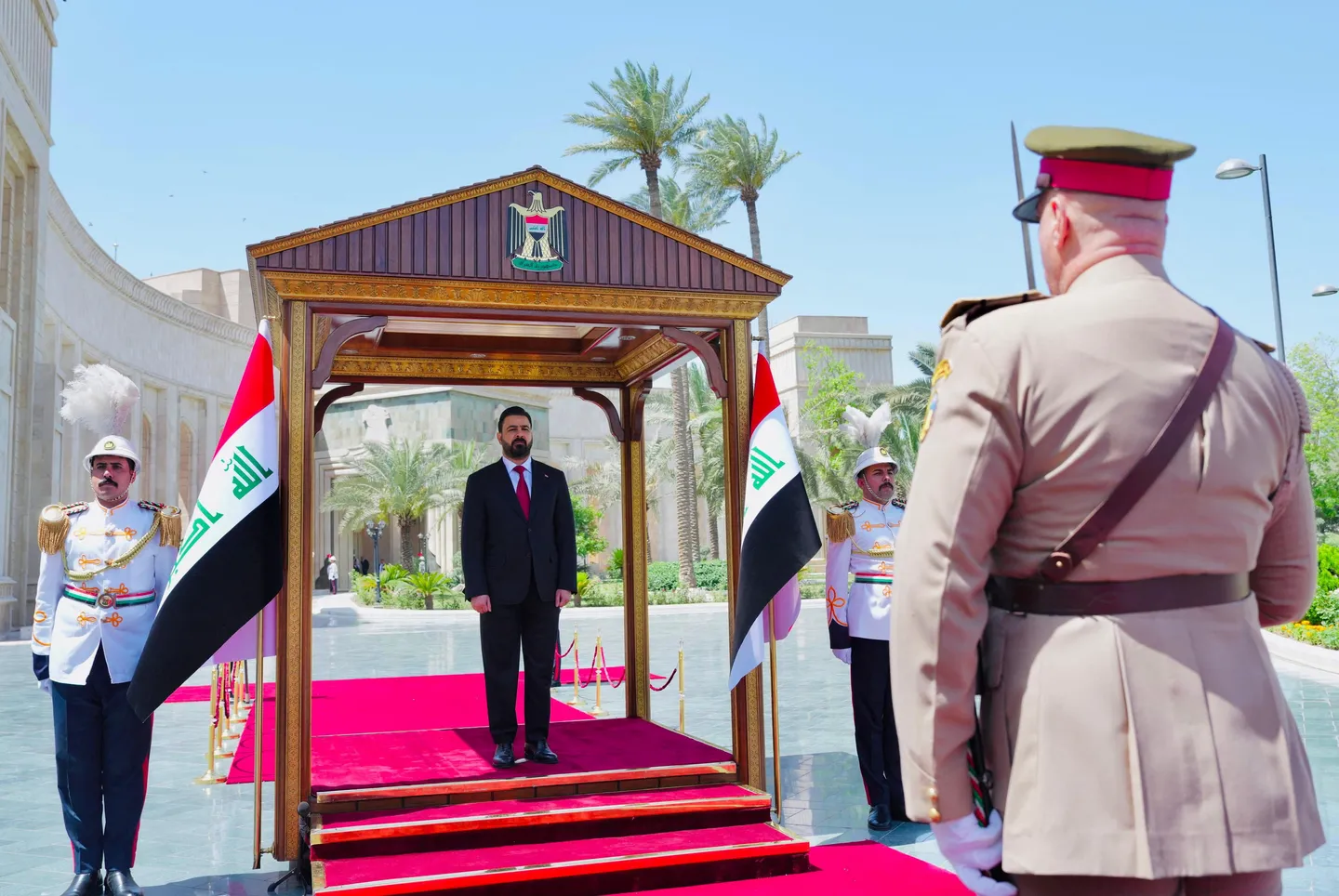
Iraqi Prime Minister Ali al-Zaidi has rejected a proposal to keep some international coalition forces in Iraq beyond September 30, government spokesperson Haider al-Aboudi has said.
Speaking at a press conference cited by the Iraqi News Agency, Al-Aboudi said on Monday that Baghdad remained committed to restricting weapons, regulating their use and ensuring that security decisions remain under state control.
He said talks with armed factions were progressing regularly and were expected to conclude before the September 30 deadline.
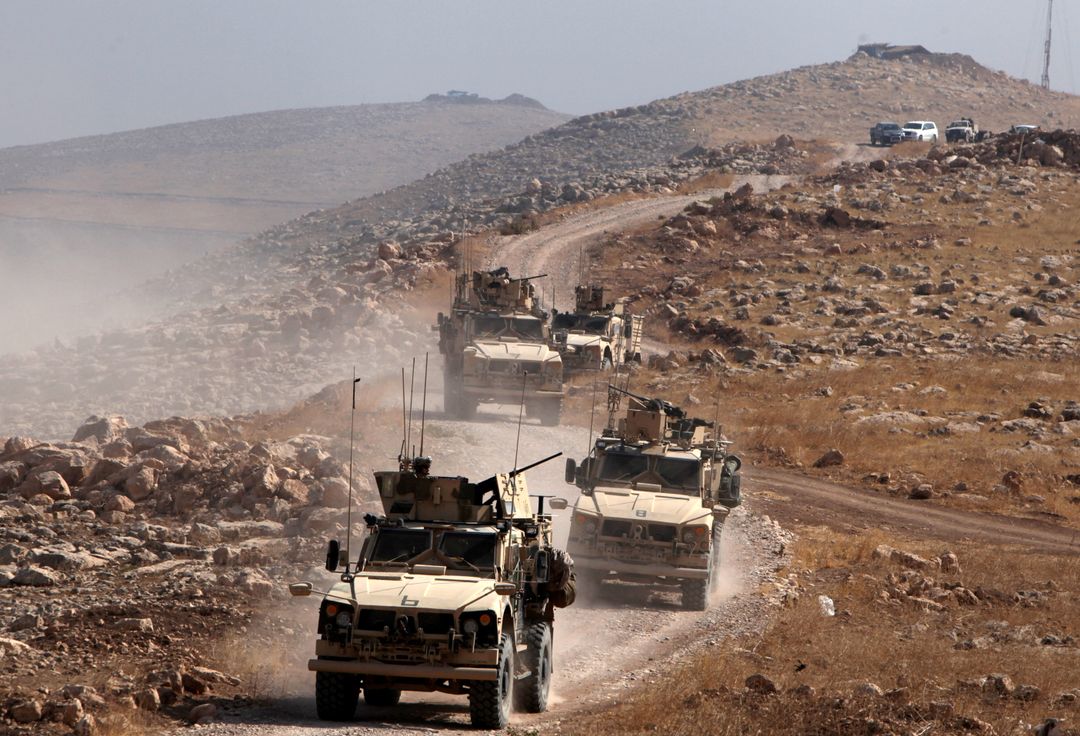
Baghdad prepares for a post-coalition era
Al-Aboudi said the government was closely monitoring regional developments while insisting that Iraq would not become part of the wider conflict.
“State decisions are built on the basis of national interests,” he said, describing discussions with factions as positive and saying the next phase would be based on cooperation and mutual interests.
Al-Zaidi announced August 12 that September 30 would mark the end of the international coalition’s military mission and the completion of its troop withdrawal.
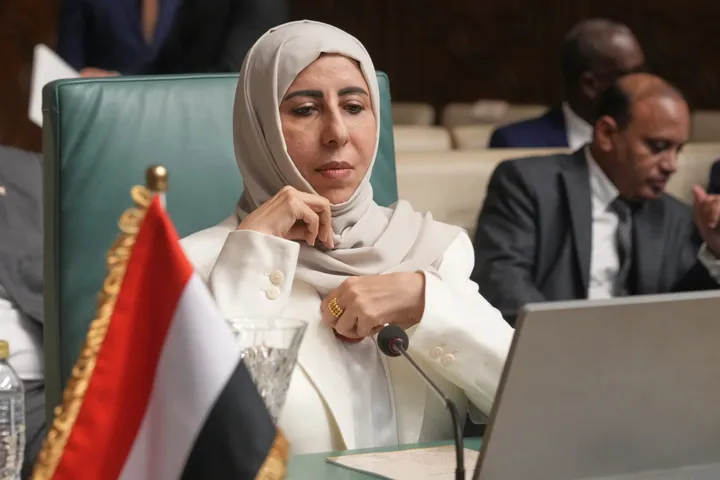


“Oct. 1 would mark a new day in Iraq’s statehood,” he said during a meeting with US Central Command Commander General Brad Cooper, stressing that Iraq would be free of foreign military forces.
The two sides agreed that the coalition’s military mission would end, while Iraqi-US relations would transition toward economic and security cooperation based on sovereignty and shared interests.
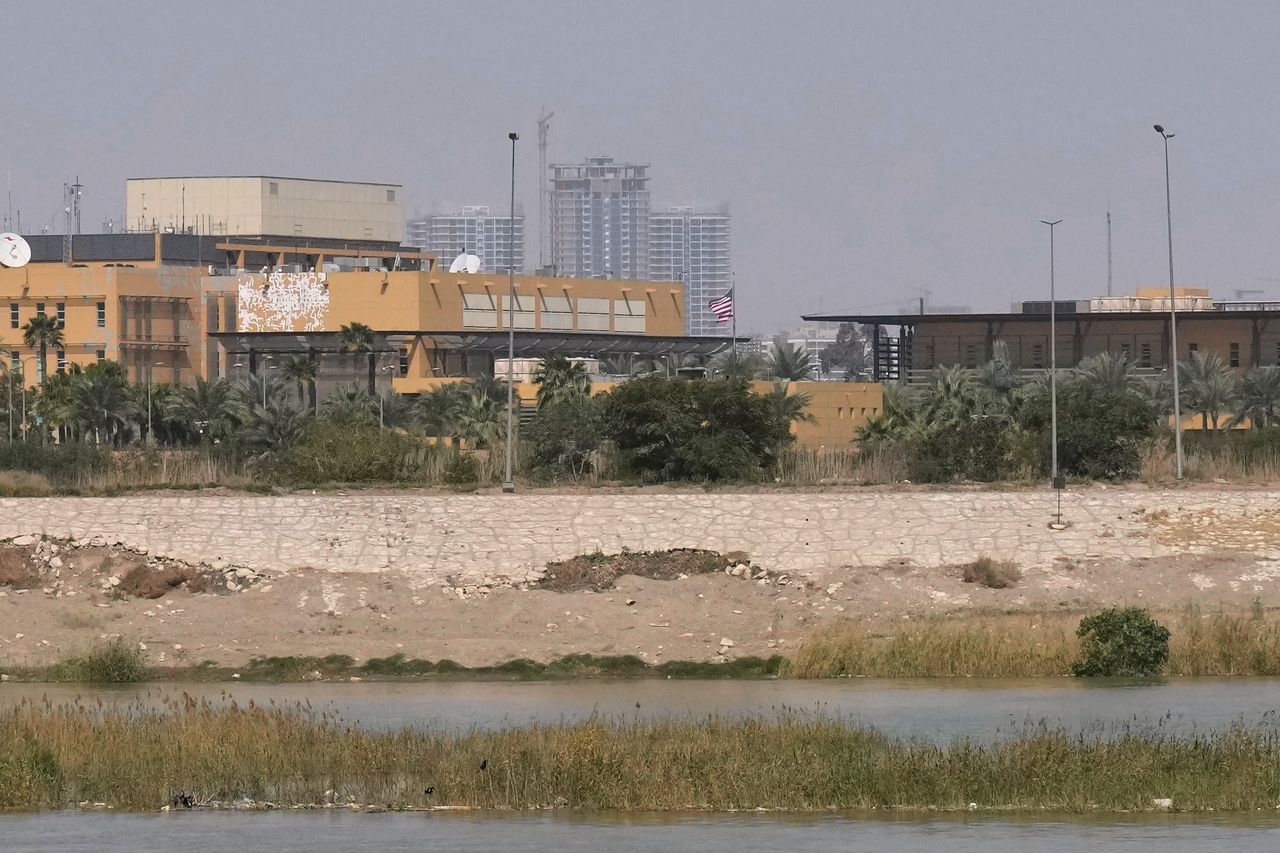
From anti-Daesh campaign to security partnership
The US-led coalition was established in 2014 after Daesh seized large areas of Iraq and neighboring Syria.
Iraq declared victory over the group in December 2017, but coalition forces remained at Baghdad’s request in advisory and training roles.
The planned withdrawal marks a significant shift in that relationship, with Baghdad seeking to strengthen its independent security decision-making while maintaining cooperation with international partners.