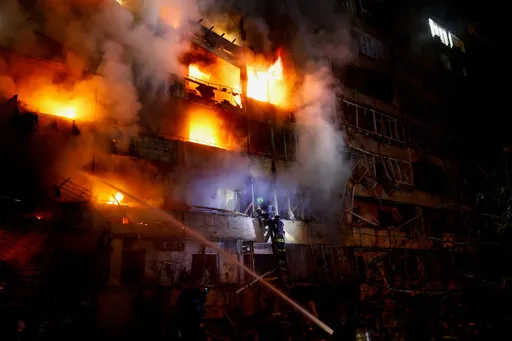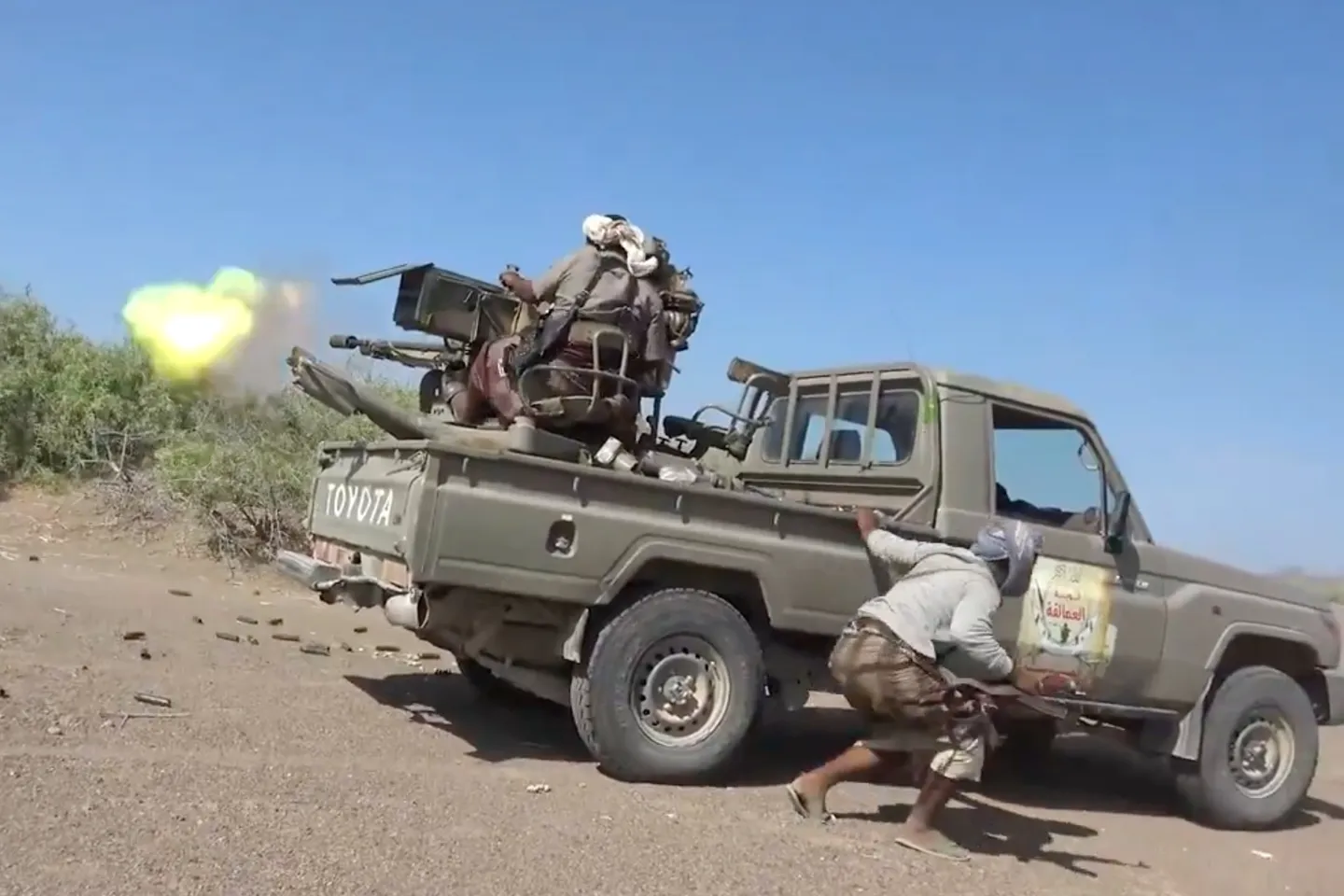
Yemeni government forces have confirmed that more than 200 Houthi militia members were killed or wounded during fierce military confrontations across the southwestern province of Taiz, as government forces continue their operations to reclaim contested positions and supply lines.
The Taiz Military Axis said on X that intense clashes continued throughout Wednesday along the Dhubab front west of Taiz, as well as the Al-Aqrud and Al-Shaqab fronts to the south.
Fighting that erupted in the morning escalated significantly by the afternoon.
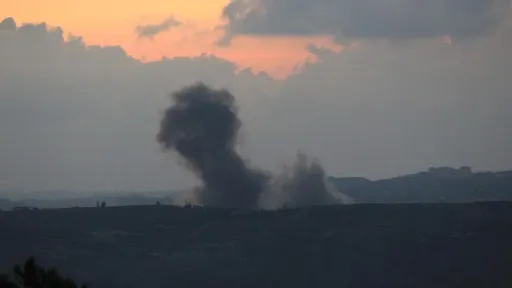
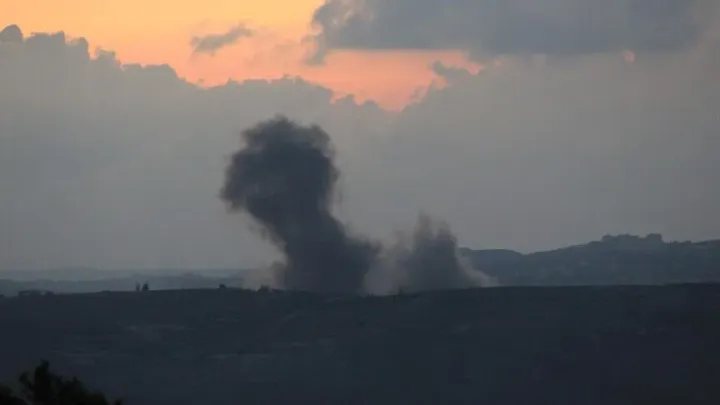
Supporting warplanes targeted a convoy of tanks and military vehicles belonging to the Houthi militia in the Ras al-Najd area of Al-Misrakh district, followed by air strikes near Sofitel Hill east of Taiz and two further strikes destroying armour along the Dhubab front.
The military command reported that more than 200 Houthi militia members were killed or wounded in a single day, with one military vehicle destroyed, two tanks damaged, an armed convoy neutralised, and a drone downed.
The escalation forms part of the "Dawn of Yemen" campaign, an operation launched earlier this month by Yemen's internationally recognised government to liberate Houthi-held areas, including the capital, Sanaa.
Supported by a Saudi-led coalition, the offensive has intensified combat across several provinces, especially in Taiz, where opposing forces have long contested strategic heights and logistical lifelines.


Government appeals to UN to end blockade
Following the frontline escalation, Yemen on Wednesday called on the United Nations and the UN Security Council to take urgent steps to lift the Houthi militia siege of Taiz, warning of severe humanitarian fallout.
Foreign and Expatriates Minister Afrah al-Zouba made the appeal in letters addressed to the UN secretary-general, the Security Council presidency, the UN high commissioner for human rights, and the International Committee of the Red Cross.
Al-Zouba warned that the latest escalation and tightening blockade threaten a humanitarian catastrophe affecting more than four million people trapped inside the city and displaced across districts including al-Shamayatayn, al-Mawasit, and Jabal Habashi.