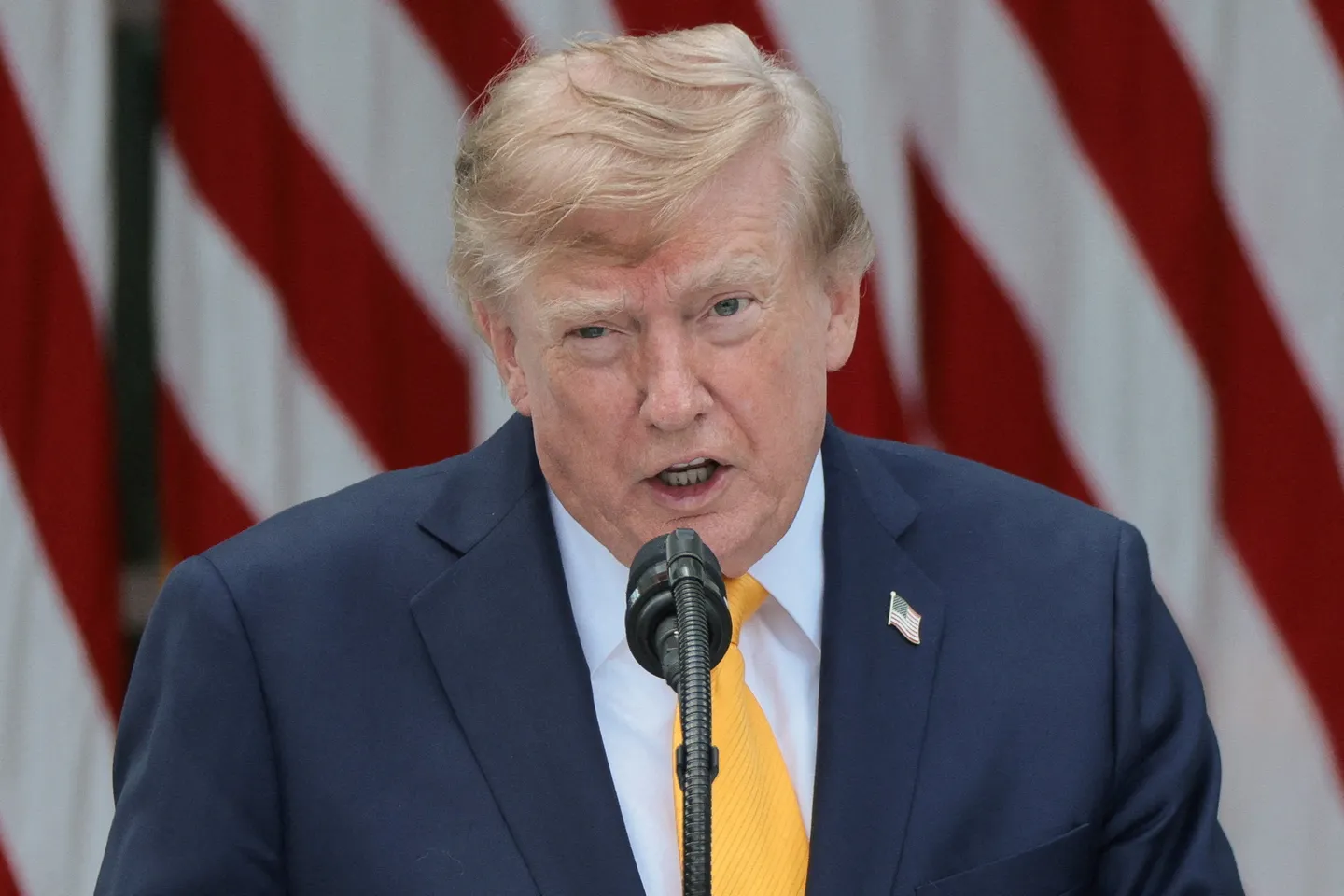
US President Donald Trump has threatened to impose heavy tariffs on the European Union or halt some trade with the bloc after European Commission President Ursula von der Leyen proposed making Canada its first associate member.
Speaking to reporters on Wednesday, Trump said his response would depend on whether he viewed the proposal as a hostile act.
"I think it's laughable," he said. "If they do that, if I think it's at all a hostile act, I will put very serious tariffs or stop trading with Europe, on many things."
He added: "If it's a good intention, that's fine. If it's a bad intention, we'll put very heavy tariffs on Europe, which is a possibility."
The proposal comes as Brussels and Ottawa seek to reduce their reliance on the United States amid trade tensions under Trump's leadership.
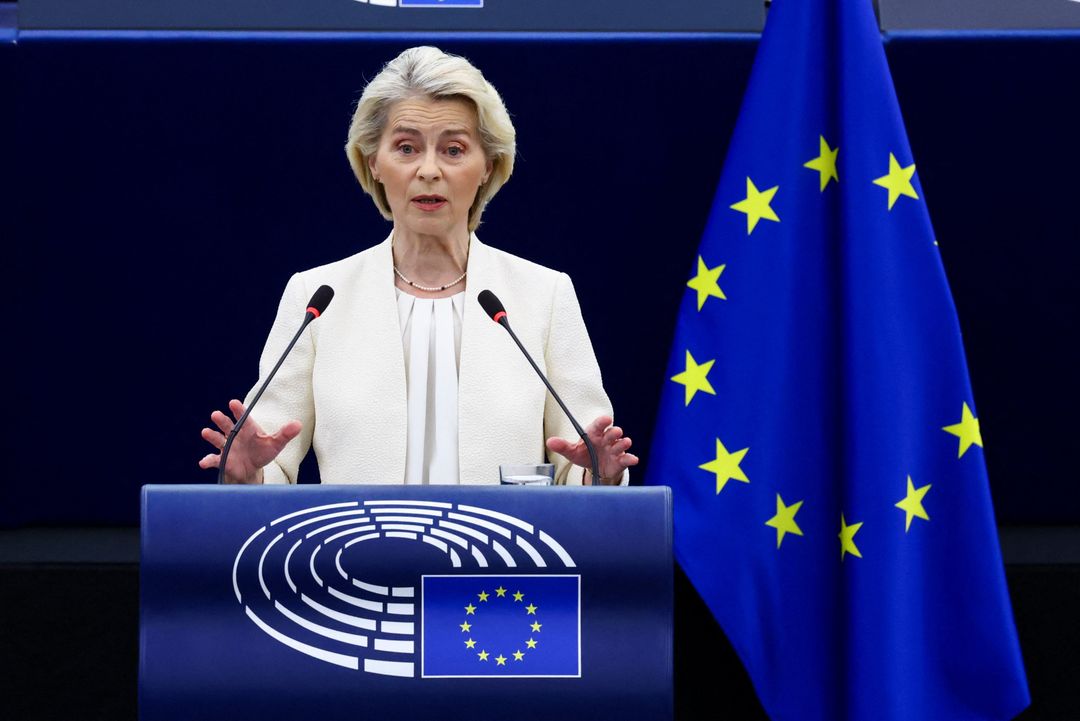
Von der Leyen floated the idea during her annual State of the European Union address in Strasbourg, attended by Canadian Prime Minister Mark Carney, the first non-European head of government to join the event.
"I would like to work with you on opening the door for Canada to be the first associate member of the EU," she told Carney, drawing a standing ovation in the European Parliament.
She said Brussels and Ottawa needed to draw closer as democracies faced a "fracture in the international rules-based system".
A broader alliance
Carney is due to address the European Parliament on Thursday, with his visit intended to build momentum ahead of an EU-Canada summit in Montreal next month.
He has pursued closer ties with the bloc as Canada becomes increasingly embroiled in a trade war with the United States.
Von der Leyen called for the relationship to move beyond trade cooperation towards a broader "alliance for the future", with closer ties in technology, defence and energy.
"We will work on intelligent manufacturing. We will create a tech alliance. We will integrate defence industrial bases. We will make the Arctic a flagship joint project," she said.
She also identified critical minerals, batteries, artificial intelligence, cyber security and economic security as areas for cooperation.




"This is a partnership not against anyone else, but for our common strength," she said.
Both Canada and the EU have faced US tariffs and territorial threats, alongside competition from China.
"In a more dangerous and divided world, Canada is forging stronger relationships with trusted partners," Carney's office said in a statement.
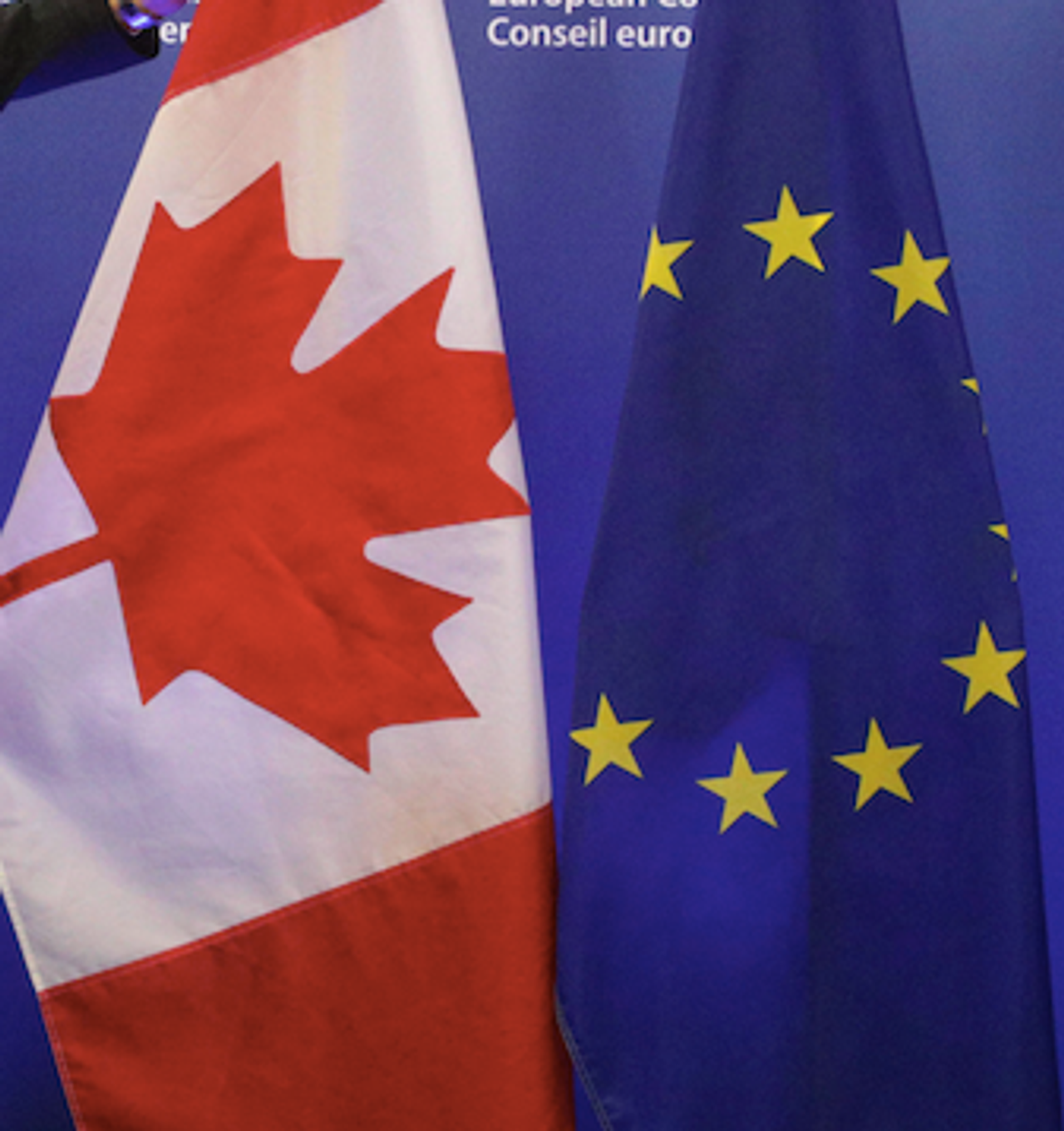
What would associate membership mean?
EU treaties make no provision for "associate membership", leaving the scope of von der Leyen's proposal unclear.
"We don't really know yet what it means," said Tobias Cremer, a centre-left German member of the European Parliament and the main sponsor of a resolution calling for stronger EU-Canada cooperation.
German Chancellor Friedrich Merz first floated the idea for Ukraine earlier this year, but it received a cool reception from Kiev, which is seeking full membership.
Under that proposal, Ukraine would have been able to attend EU summits, have a representative in the European Commission and access parts of the bloc's budget, without full voting rights.
Any partnership with a non-EU country requires approval from member states, and it remains unclear how much support von der Leyen's proposal would receive from their governments.
Brussels and Ottawa already have close ties. Their CETA free-trade agreement, which abolished almost all tariffs, has been credited with helping boost trade in goods and services by more than 80 percent since 2016.
Canada also became the first non-EU country to join the bloc's flagship defence loan programme this year.
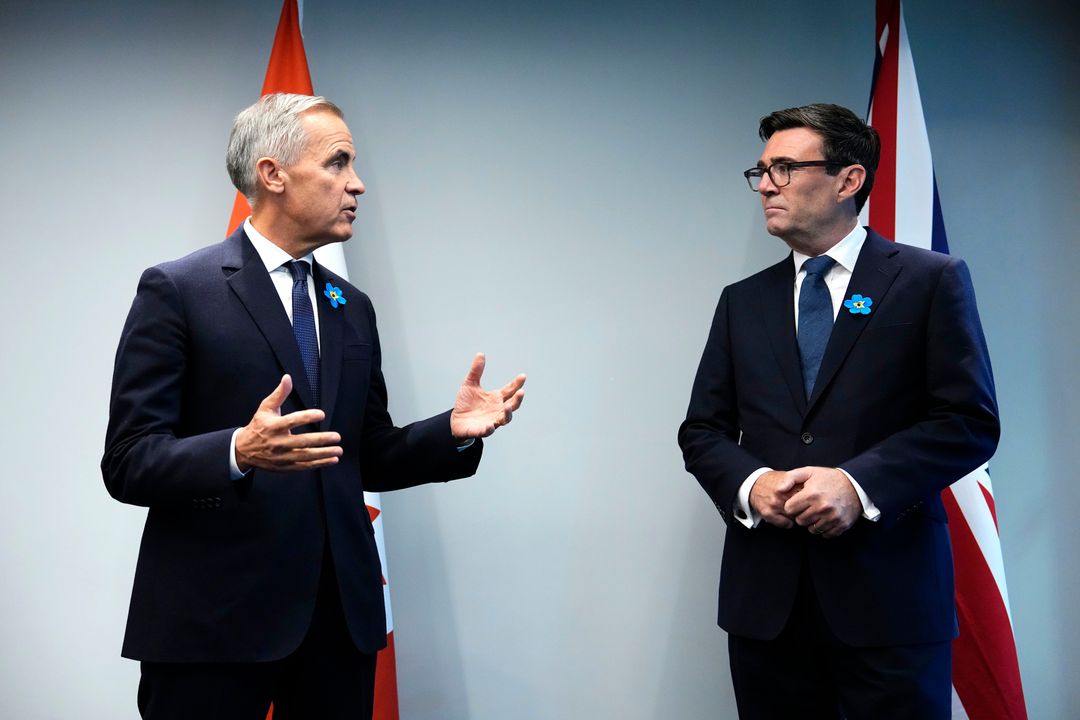
Following von der Leyen's address, Carney travelled to Britain for his first meeting with new British Prime Minister Andy Burnham. The two attended a football match between Everton and Wolverhampton before Carney's return to Strasbourg for his speech on Thursday.