German Foreign Minister Johann Wadephul has proposed replacing the expiring UN peacekeeping mission in Lebanon with an EU-mandated force to prevent a security vacuum.
"We should examine in the EU whether we can ensure that no security vacuum arises with a European mandate following the UNIFIL mission," Wadephul said in an interview on RedaktionsNetzwerk Deutschland published on Friday.
Wadephul said Lebanon, with a stabilising government, represented "one of the most hopeful developments in the region at the moment."
Lebanon and Israel held ambassador-level talks at the US embassy in Rome on Tuesday and Wednesday.
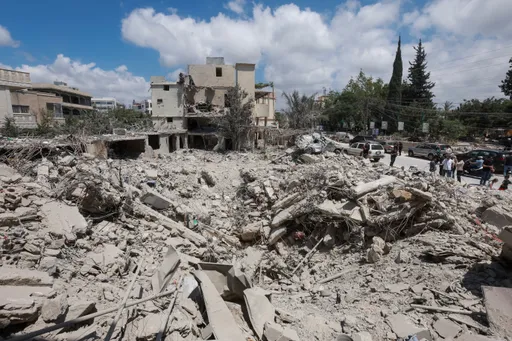
This is their sixth round of face-to-face negotiations since March 2, when Israel began attacking Lebanon under the pretext of fighting Hezbollah.
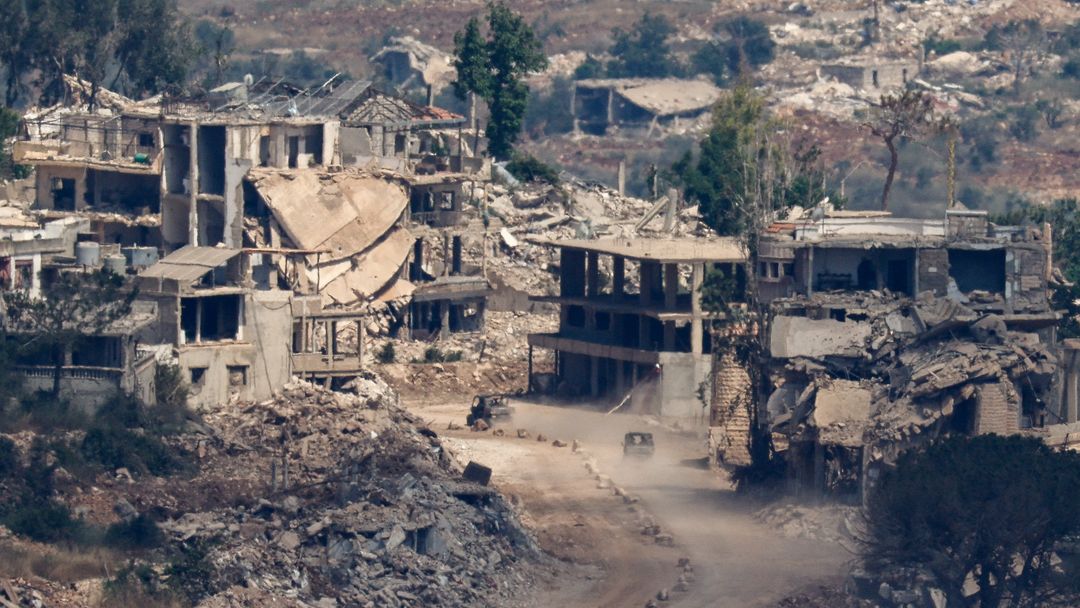
One of the major bottlenecks in the peace talks is Israel’s insistence that it will keep troops in Lebanese territories which it has occupied.
An EU-mandated force could "create the conditions for the Israeli army to withdraw without Hezbollah returning with its terror," the minister added.
When was UNIFIL’s fate decided?
The United Nations Security Council voted to end the UNIFIL mission last August because of sustained diplomatic pressure from the United States and Israel.
The Israelis often criticise the UN force for failing to disarm Hezbollah, although Resolution 1701 – the UN mandate for the body in Lebanon – does not stipulate this.
The US is urging the international community to bolster the Lebanese Armed Forces to fill the vacuum, although questions remain over the military’s ability to take on Hezbollah.
The Lebanese President, Joseph Aoun, has also expressed support for the idea of having an international force after the UNIFIL mandate ends.
The economically hollowed-out Lebanese army lacks the funding, equipment, and political mandate to actively confront Hezbollah.
Forcing the multi-confessional Lebanese army to aggressively disarm the militant group risks fracturing the military along sectarian lines and triggering a domestic civil war, which has historically driven the army to favour coexistence over confrontation.
UNIFIL over the years
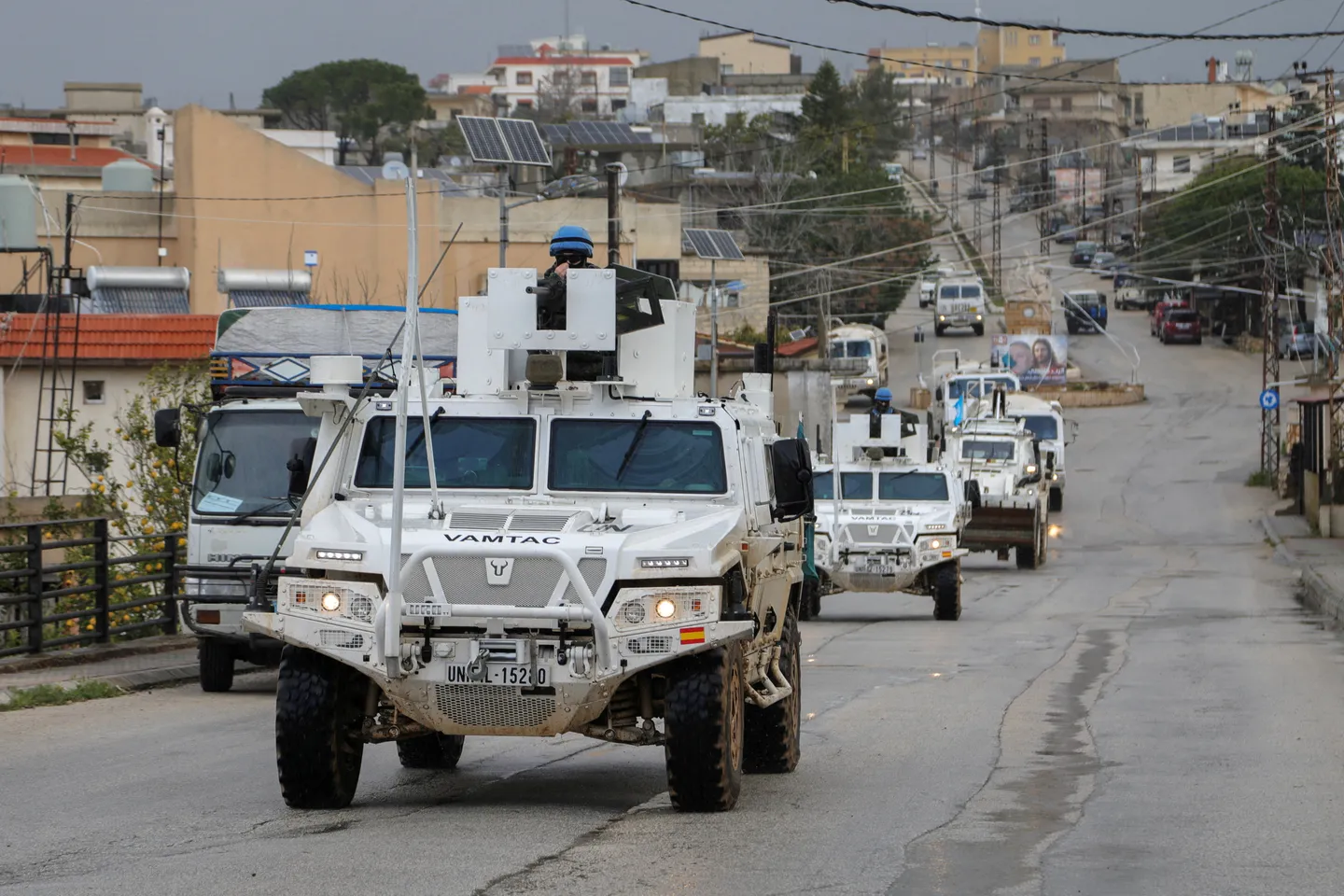
UNIFIL has operated in southern Lebanon since Israel’s first invasion in 1978, and it is one of the longest-running UN missions in the world. The force now counts some 7,500 peacekeepers from 48 countries.

Here’s a quick look at how it operated over the years.
1978
Established in March 1978 following Israel’s first invasion of southern Lebanon, UNIFIL was mandated to confirm the withdrawal of Israeli forces, restore international peace, and help the Lebanese government re-establish its authority.
1982
The mission's scope was severely restricted when Israel re-invaded in 1982 and subsequently maintained a southern "security zone" until 2000, during which UNIFIL was largely sidelined and limited to providing humanitarian aid and manning minor checkpoints.
2000
Following Israel's full military withdrawal in 2000, UNIFIL's mandate was adjusted to map and monitor the newly established "Blue Line" border.
2006
The mission underwent its most massive overhaul in August 2006 under UN Resolution 1701 following the month-long war between Israel and Hezbollah; this "UNIFIL II" phase surged troops from 2,000 to nearly 15,000, deployed them alongside the Lebanese Armed Forces south of the Litani River, and added a unique Maritime Task Force.
2026
Finally, after years of rising geopolitical friction and the outbreak of a new regional war in early 2026, the UN Security Council broke with its decades-long renewal pattern, setting the official termination of UNIFIL’s nearly fifty-year mandate for December 31, 2026.
A variety of options have been proposed as an alternative, including a scaled-down UN force under the United Nations Truce Supervision Organization (UNTSO), which has been present in the country since 1947. This organisation, though, reportedly only has around 50 personnel.
Diplomats say that several European, African and Asian countries have volunteered to contribute manpower to whatever body takes UNIFIL’s place in 2027 and beyond.