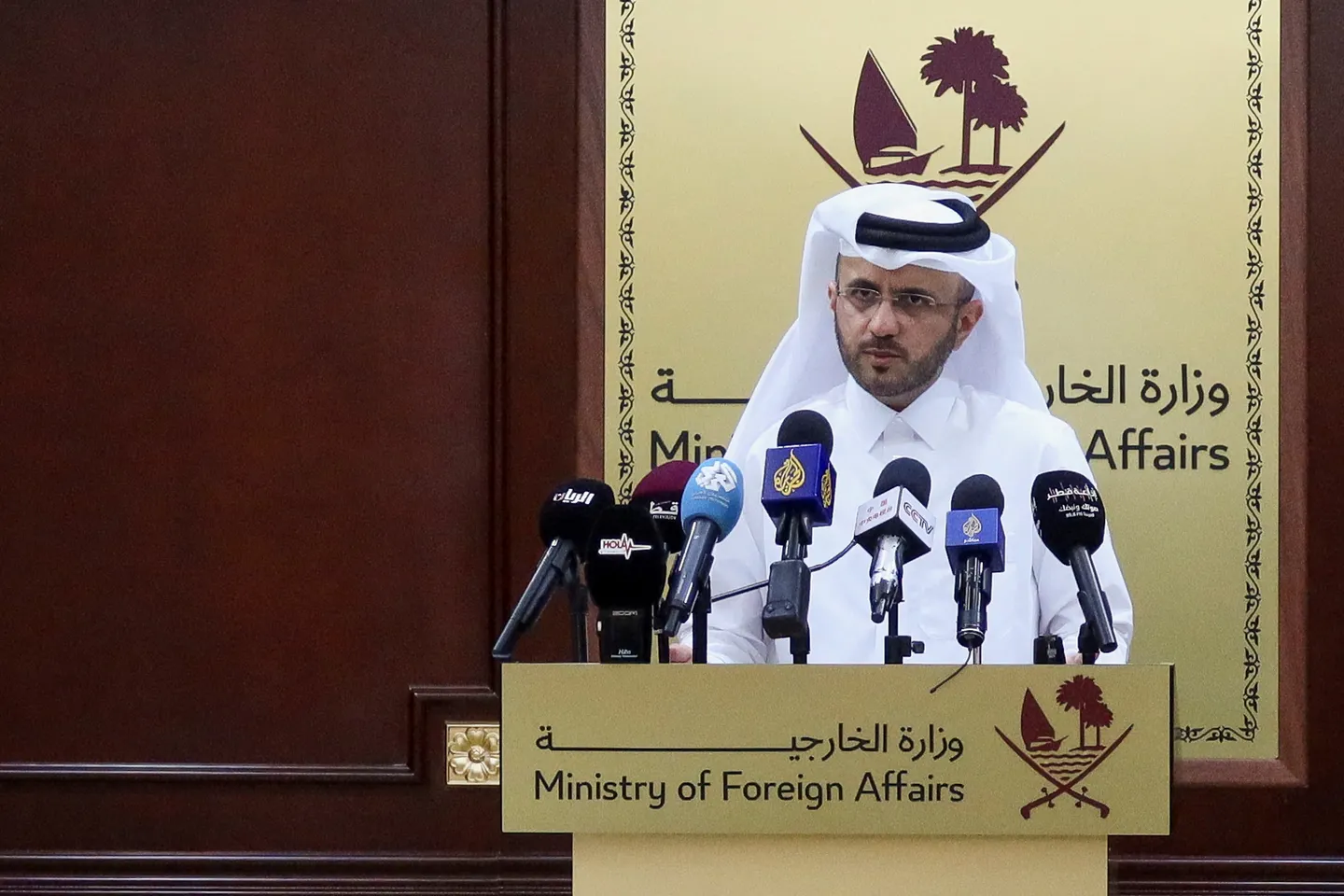
Gulf states cannot rely solely on the United States and international alliances for their security and need to become more self-sufficient, Qatar’s Foreign Ministry spokesman Majid al-Ansari said on Monday.
“We need to realise in the Gulf that having international forces in the region, having a strategic alliance with the United States, is very important, but is not enough,” he said at the Hili Forum in Abu Dhabi.
“Self-sufficiency when it comes to security is the only way forward,” he added, stressing that Gulf states still need their partners and allies but cannot depend on them alone.
Doha has also played a key mediation role between Washington and Tehran as the conflict has disrupted regional security and shipping.
Last month, Qatar’s Prime Minister Sheikh Mohammed bin Abdulrahman Al Thani travelled to Tehran as part of mediation efforts.
Iran and Oman, which border the Strait of Hormuz, have also discussed a temporary shipping corridor and mine-clearing measures amid disruptions to traffic through the strategic waterway.
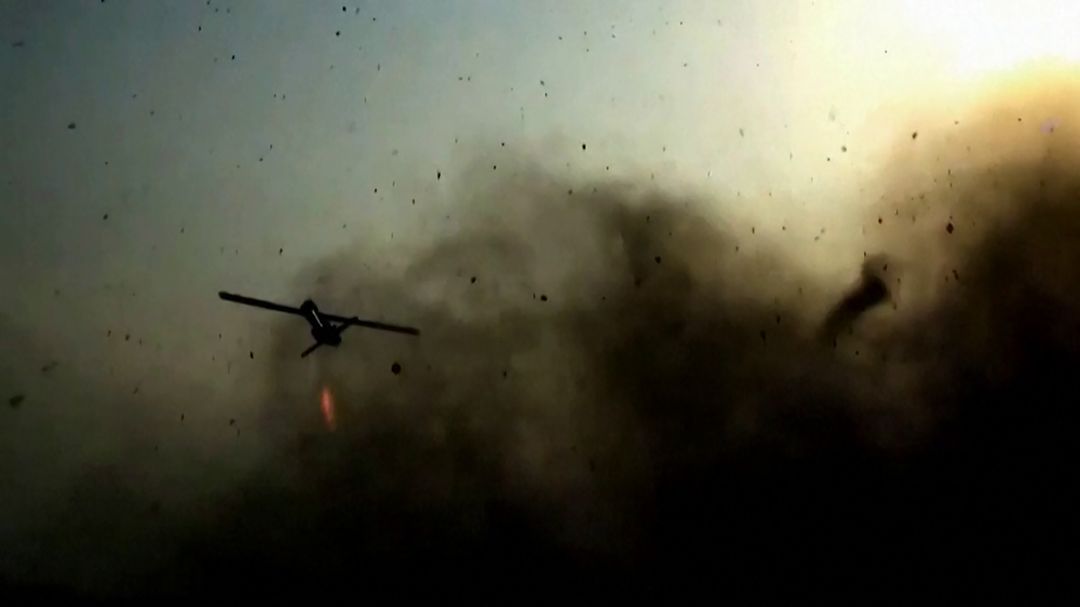
Iran has targeted Gulf states
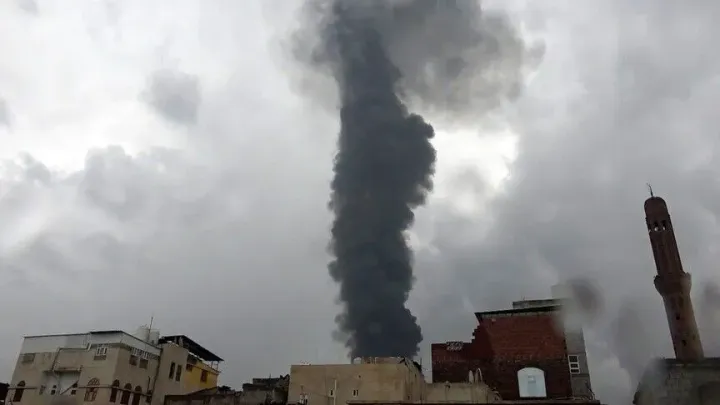
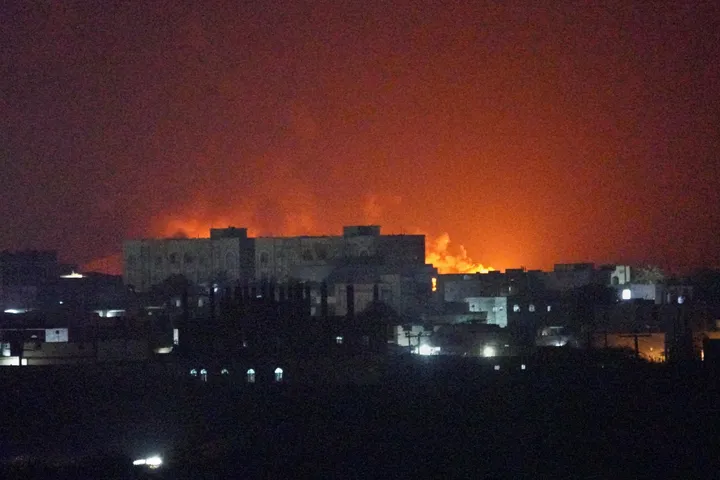
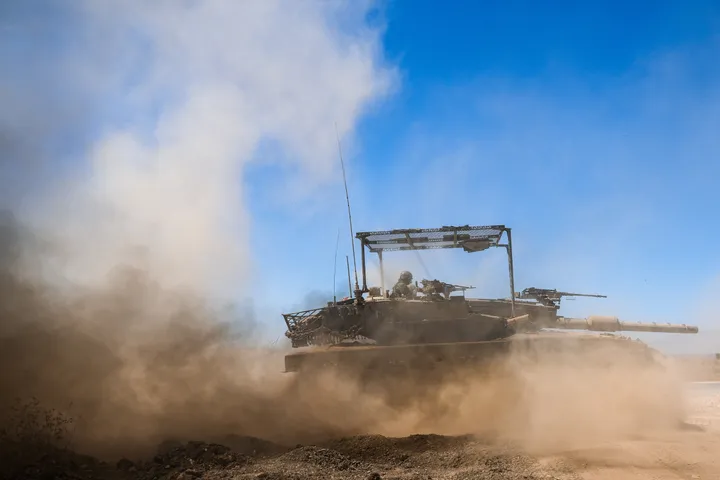
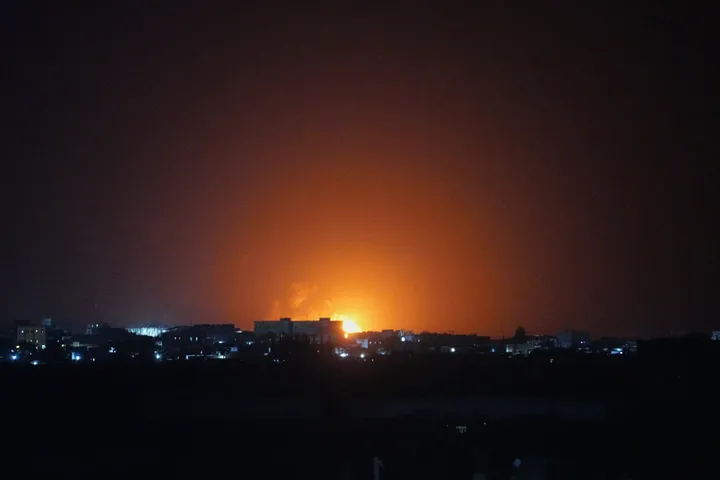
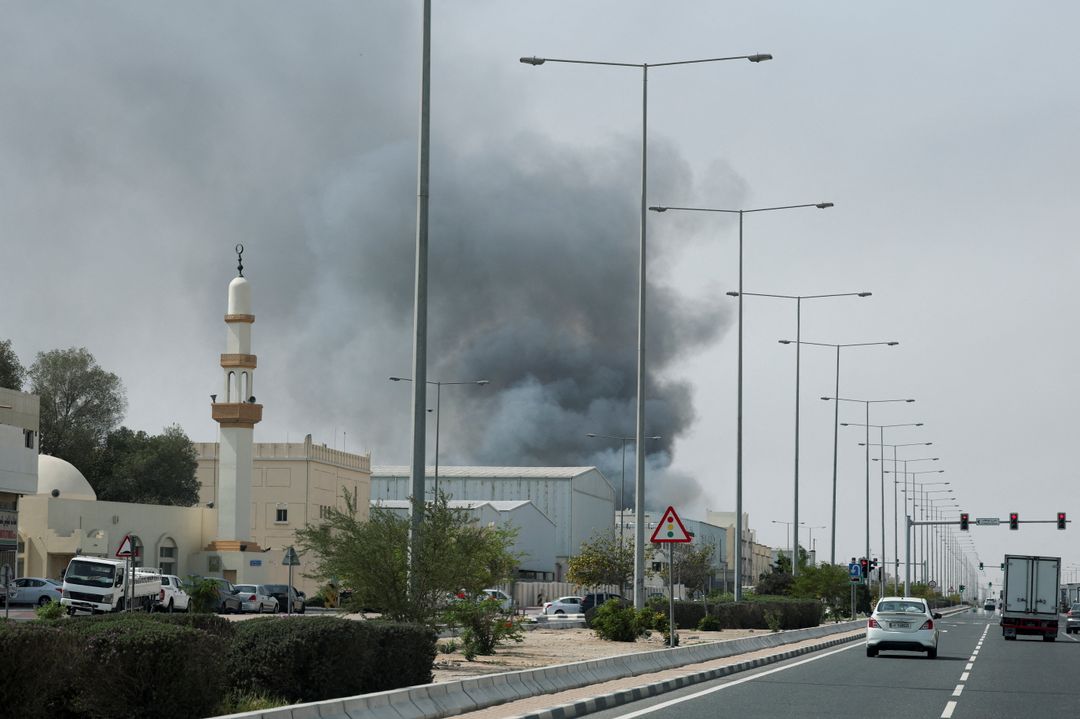
Qatar hosts the largest US military base in the Middle East and has come under Iranian attack during the conflict, including strikes targeting energy infrastructure.
Iranian missiles and drones have also directly hit Saudi Arabia, Bahrain, Kuwait and the United Arab Emirates.
Tehran’s attacks on military facilities, energy infrastructure and civilian sites in the region prompted a strong reaction from Gulf states.
Regional security alternative
Türkiye, Saudi Arabia and Pakistan signed the Mecca Joint Defence Agreement in August, under which an armed attack on one of the three countries is to be regarded as an attack on all.
The pact is intended to strengthen collective deterrence and defence cooperation, marking a broader shift towards more regionally owned security arrangements as the region seeks alternatives to relying solely on external security guarantees.