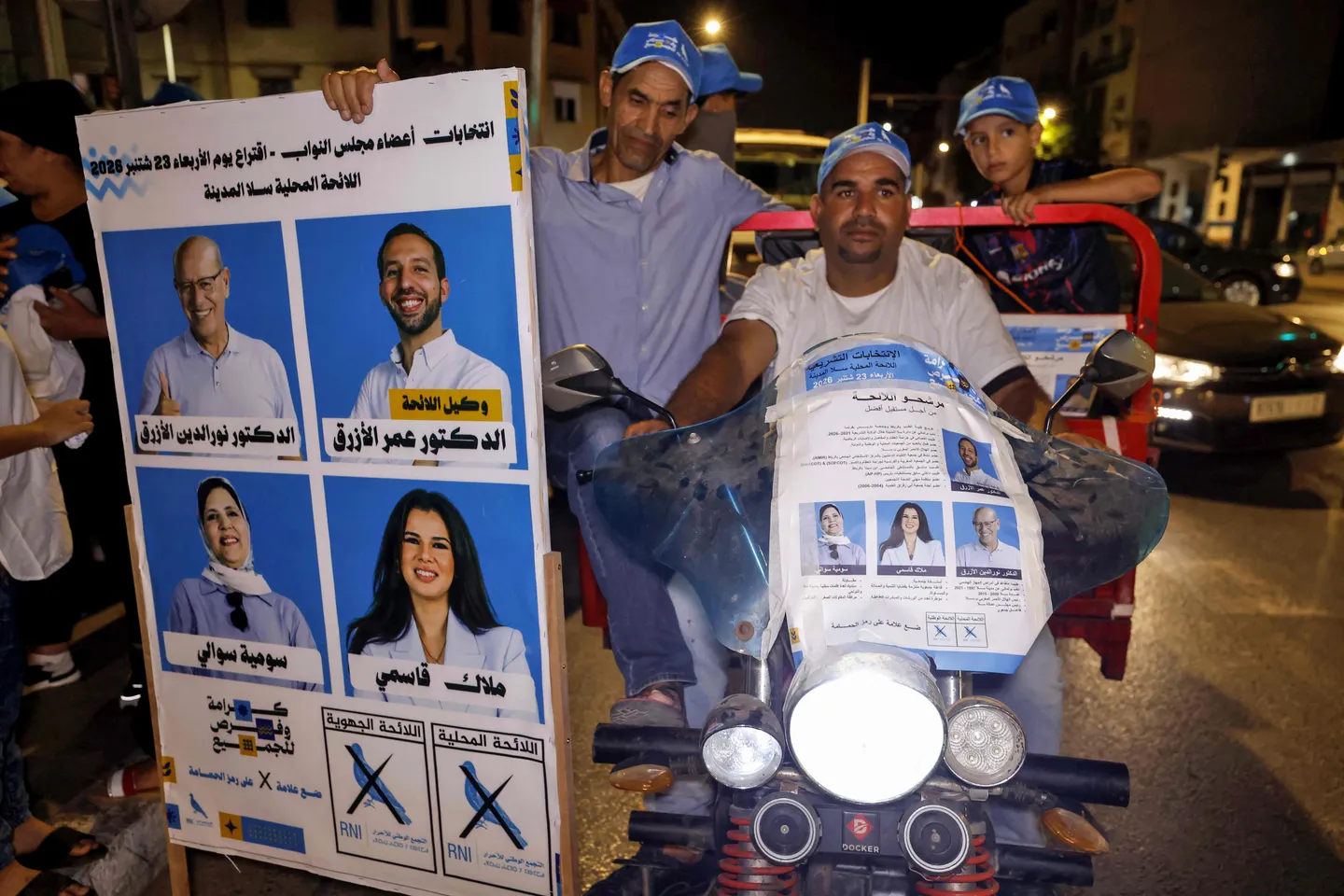
Moroccans went to the polls on Wednesday to elect a new parliament, with young voters’ frustration over jobs, wages and public services casting a shadow over an election that will shape the country’s next government.
Polling stations opened at 8 am and were scheduled to close at 7 pm local time, with nearly 15.8 million registered voters eligible to choose all 395 members of the House of Representatives.
Official figures show 7,288 candidates are competing, while 28 political formations are taking part in the election. Results are expected Thursday.
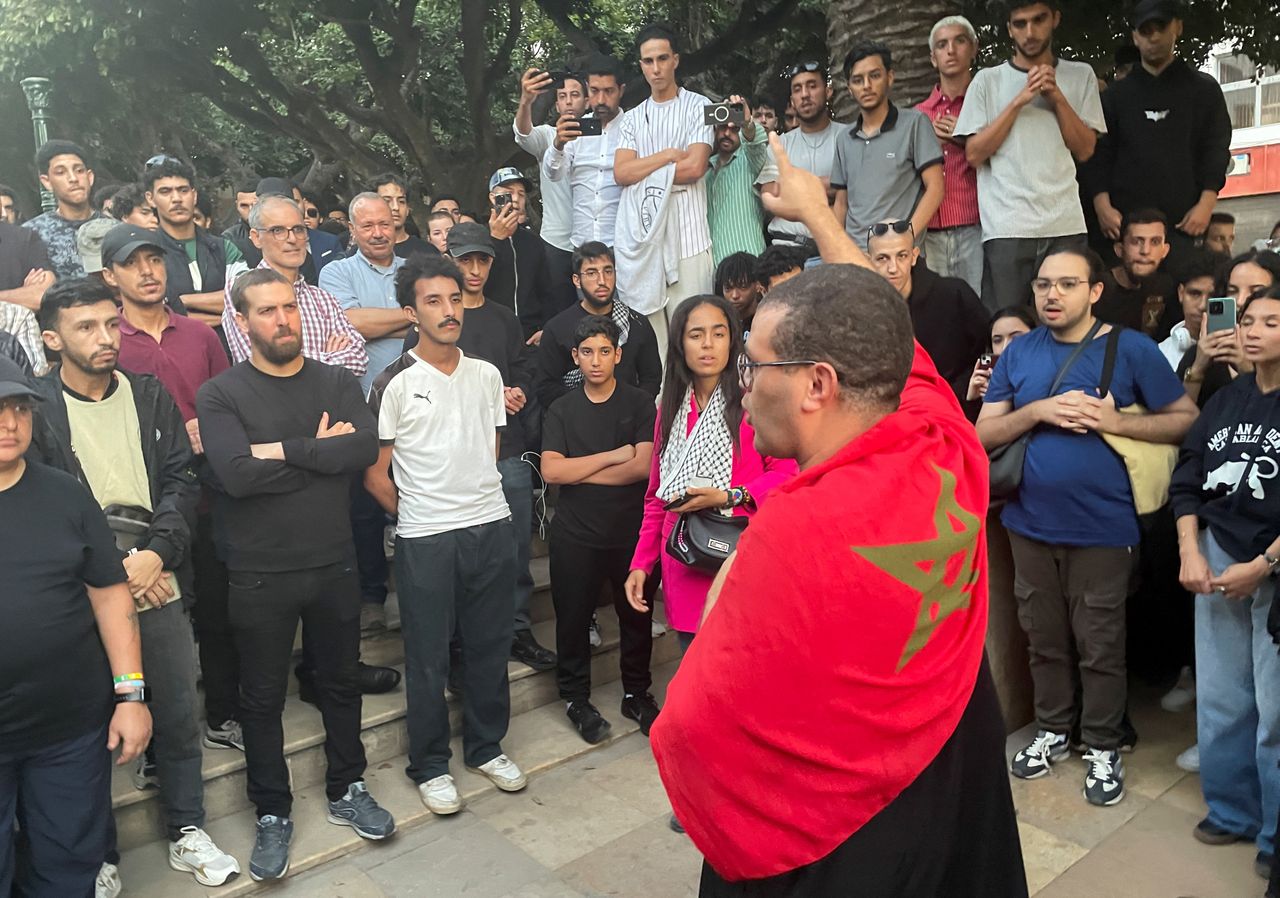
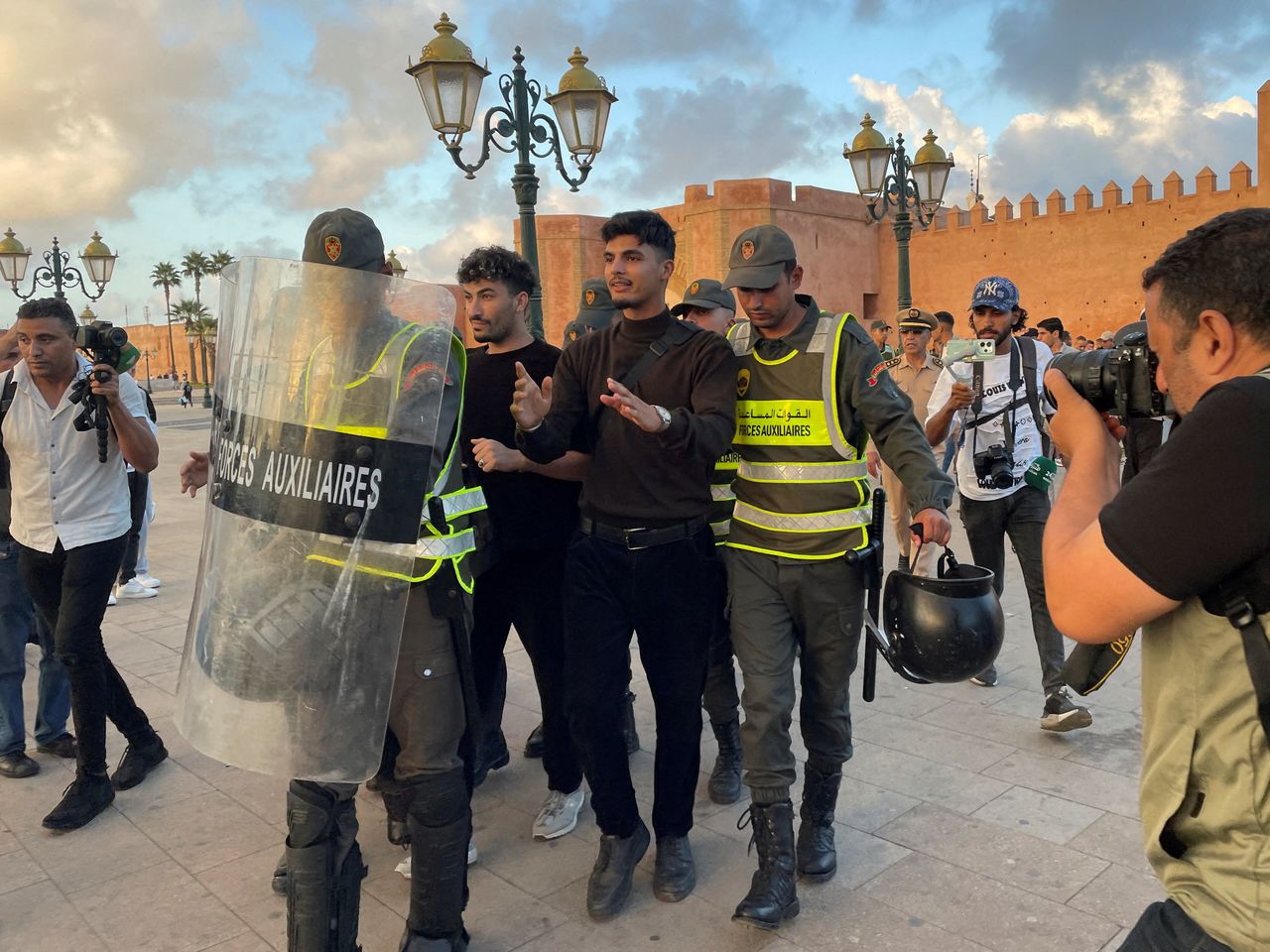
The vote comes nearly a year after youth-led protests highlighted grievances over employment, education, healthcare and living conditions.
Despite Morocco’s economic growth and major investment projects, many young people say they have yet to see sufficient improvements in their daily lives.

A test of confidence among young voters
Youth participation is a particular concern. Official figures show that only four percent of registered voters are aged 18 to 24, while analysts expect turnout to be relatively low amid widespread political scepticism.
Some young Moroccans have taken their frustration to the streets, while others have considered emigrating or staying away from the ballot box.
Recent protests and a mass attempt by migrants to cross Morocco’s northern border into the Spanish territory of Ceuta have added to the pressure on political parties.





The election is also unfolding against the backdrop of major infrastructure and investment plans linked to Morocco’s preparations to co-host the 2030 FIFA World Cup.
The incoming government will oversee billions of dollars in projects while facing demands that economic gains translate into more jobs and better public services.
Coalition talks likely to shape next government
Morocco’s constitution requires the king to appoint the head of government from the party that wins the most seats in the parliamentary election.
With no single party expected to secure an outright majority, coalition negotiations are likely to determine the composition of the next government. The monarchy retains broad powers over strategic affairs, meaning the elected government will operate alongside a powerful royal institution.
Moroccans living abroad have the constitutional right to vote, but there is no postal voting system or ballot boxes at Moroccan consulates. Those wishing to participate generally must travel to Morocco or authorise an eligible person to vote on their behalf.
The number of registered voters has fallen since the 2021 election even as Morocco’s population has grown, underscoring the challenge facing political parties as they seek to rebuild confidence in electoral politics.