ASIA PACIFIC
2 min read
Childbirths grow in South Korea at fastest pace in 18 years, caused by more marriages
Latest data shows 233,708 babies were born in 11 months last year, while natural population decline continues.
Childbirths grow in South Korea at fastest pace in 18 years, caused by more marriages
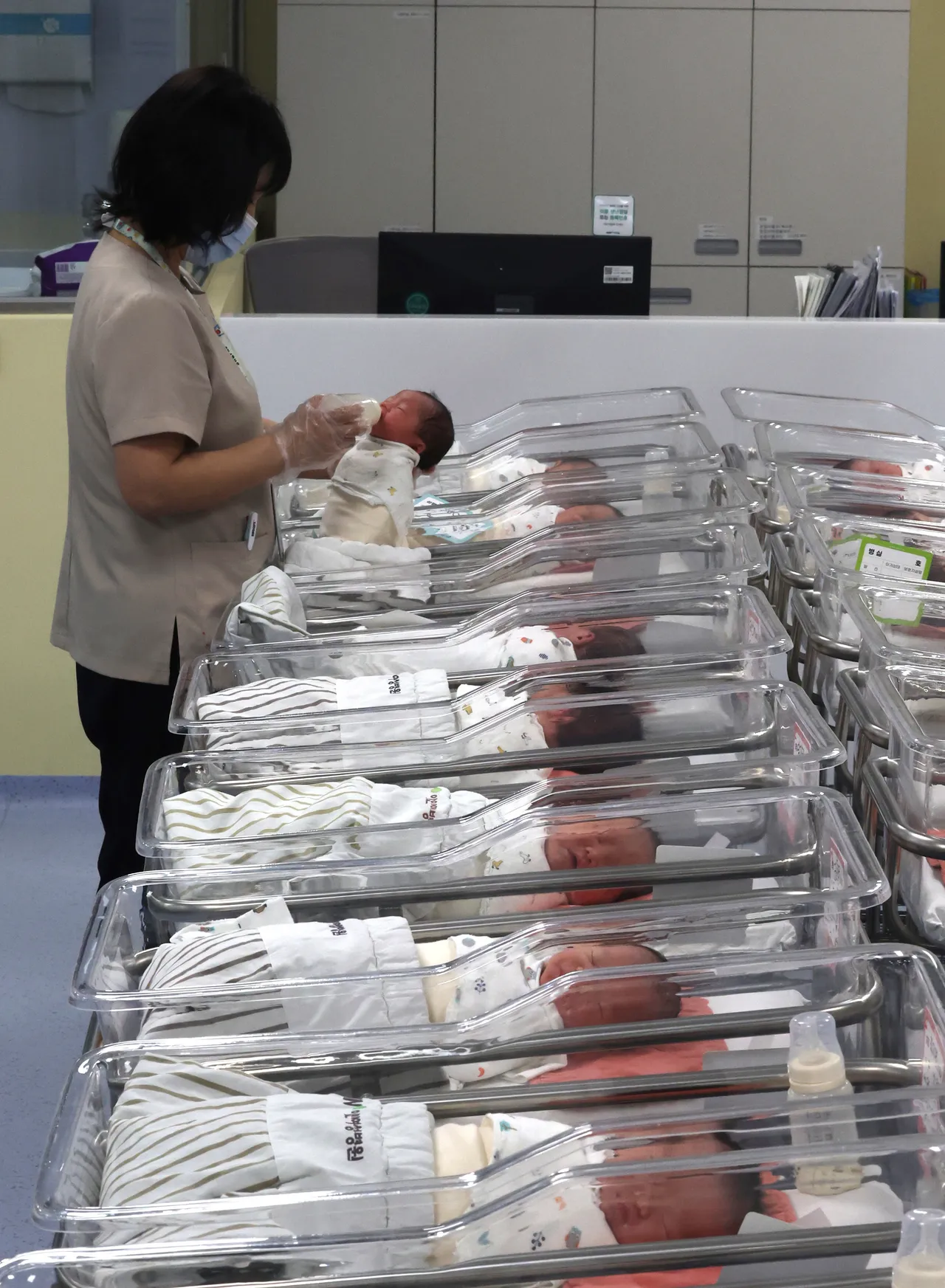
The upward trend in newborns has continued since mid-2024. / AP

South Korea has reported its fastest increase in births in 18 years, driven largely by an increase in marriages last year, according to data released by the Statistics Ministry.

The data on Wednesday showed that 233,708 babies were born in January-November 2025, a 6.2 percent increase from the same period a year earlier and the strongest year-on-year rise since 2007, according to the Yonhap news agency.

Authorities expect the full-year total to exceed 238,000 births, marking a second consecutive annual increase.

Births in November alone reached 20,710, up 3.1 percent from a year earlier and the highest November figure since 2019.

The upward trend in newborns has continued since mid-2024.
RelatedTRT World - China's birthrate falls to lowest level since 1949

Sustained increase in marriages

The country’s total fertility rate, the average number of children a woman is expected to have in her lifetime, edged up to 0.79 in November, slightly higher than a year earlier.

Officials attributed the recent rise in births to a sustained increase in marriages, expanded government support for childbirth, and growth in the number of women in their early 30s.

Marriages in November rose 2.7 percent to 19,079 from a year earlier, marking the 20th consecutive month of growth, while divorces fell to 9.8 percent.

Despite the rebound in births, South Korea continued to record a natural population decline, as deaths went up to 4.9 percent from the year earlier to 30,678, resulting in a natural population decline of 9,968, according to the report.

South Korean demographic experts warn that the prolonged decline in fertility could cause the country’s population to shrink by half over the next 60 years.


RelatedTRT World - South Korea's birth rate rises for first time in decade
SOURCE:Anadolu Agency
Explore
Magnitude 6.3 earthquake jolts southern Philippines
Police raid Starbucks Korea over allegations of mocking 1980 crackdown victims
More than 115,000 evacuated as torrential rains hit China's Shaanxi province
Student activists detained after attempting to enter US air base in South Korea
Seoul issues severe heat warning as temperatures soar in South Korea
Japan sets up new intelligence bureau amid security reforms
Japan quake death toll rises to 35 as rescuers race against time
Coal mine blast in Pakistan's Balochistan leaves dozens dead
Renowned Nepalese climber Nirmal Purja among 10 missing as avalanche strikes Pakistan's Broad Peak
New Zealand FM's remarks to lawmaker of Chinese descent spark diplomatic row
Japan earthquake death toll rises to 30 as rescuers race to find survivors at collapsed mall
11 Pakistani police officers killed in terror attack near Afghan border
South Korea completes homegrown KF-21 fighter jet development in key defence milestone
Far-right Australian politician loses appeal in racism case against Muslim senator
North Korea rejects ASEAN forum's denuclearisation call as 'foolish attempt'
China, ASEAN diplomats call for Mideast peace as US-Iran war escalates
Modi cedes ground and activist ends hunger strike, but India-wide 'cockroach' protests roll on
India frees Kashmir activist Khurram Parvez, journalist Irfan Mehraj with ban on return to home
India's 'Cockroach' protest pauses marches after violent police crackdown
China releases clash footage as South China Sea standoff with Philippines escalates