Türkiye’s defence industry has undergone a dramatic transformation over nearly 25 years, evolving from a sector reliant on licensed production and foreign technology into a broad-based industry developing indigenous platforms, critical technologies and high-value products for international markets.
The scale of that shift is reflected in the numbers. Türkiye had just 56 defence companies and about 62 projects in 2002. By 2024-26, the number of companies had climbed above 4,500, while active projects surpassed 1,400 and their combined value exceeded $100 billion.
Defence and aerospace exports rose from $248 million in 2002 to $10.05 billion in 2025.
Exports reached $5.79 billion in the first six months of 2026 and $11.2 billion over the 12 months through July.
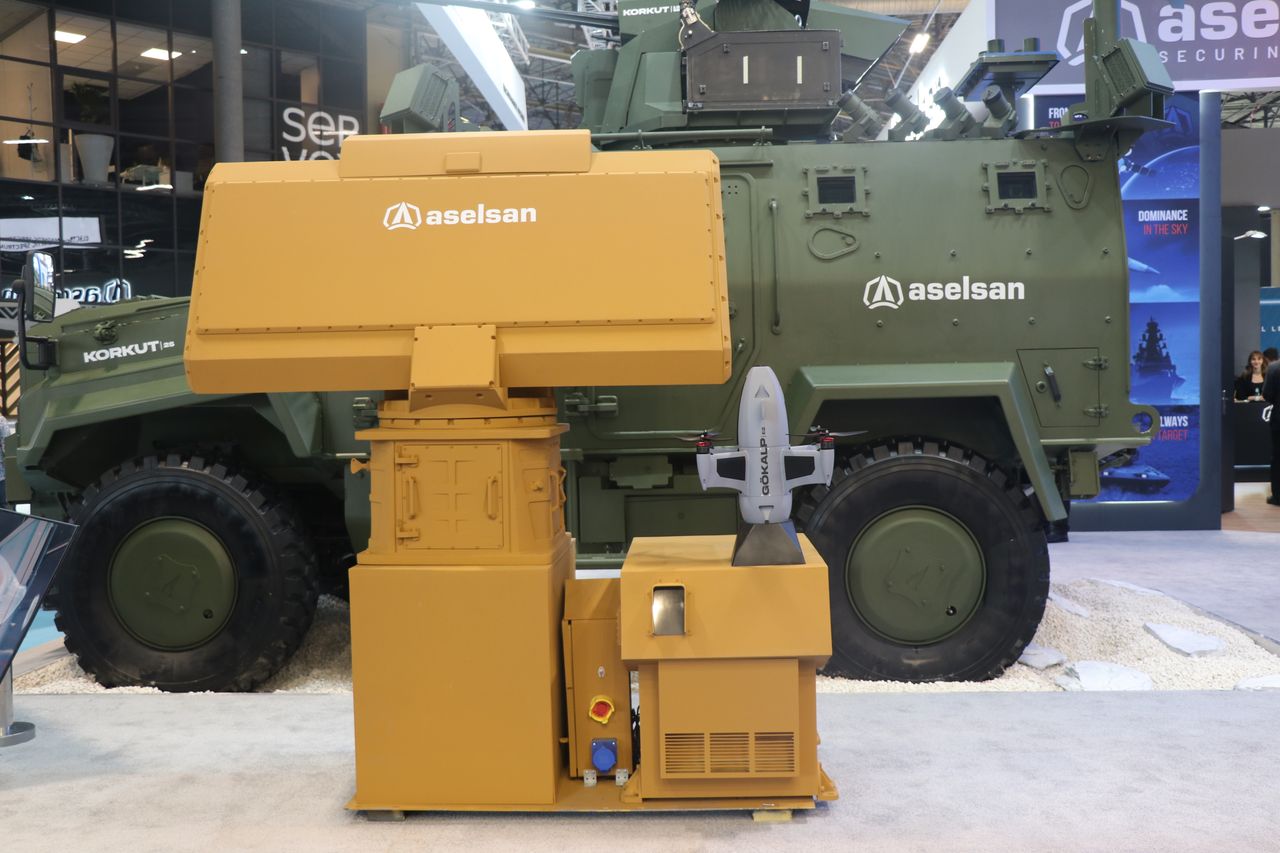
From foreign procurement to indigenous design
A fundamental shift in procurement policy drove the transformation.
In the early 2000s, Türkiye largely relied on off-the-shelf purchases, licensed production and technology transfers.
Over time, the emphasis moved toward domestic design, locally produced subsystems and greater control over critical technologies.
Research and development spending rose from $49 million in 2002 to more than $3.5 billion, while the domestic content ratio increased from about 20 percent to above 85 percent.
The industry now employs more than 100,000 people, with an average workforce age of 34. Annual sector revenue, meanwhile, climbed from roughly $1.1 billion in 2002 to more than $20 billion in 2026.
Drones put Türkiye on the global map
Unmanned systems have become one of the clearest symbols of the industry's rise.
Baykar's Bayraktar TB2 helped establish Türkiye as a major exporter of combat drones, while the Akinci expanded capabilities in payload, range, sensors and weapons integration.
The jet-powered Kizilelma is taking that development further, combining high speed with air-to-air and air-to-ground capabilities and the ability to operate from short-runway ships.
Turkish Aerospace Industries' Anka and Aksungur platforms have also expanded domestic capabilities in long-endurance surveillance, satellite communications, electro-optical systems, weapons and engines.
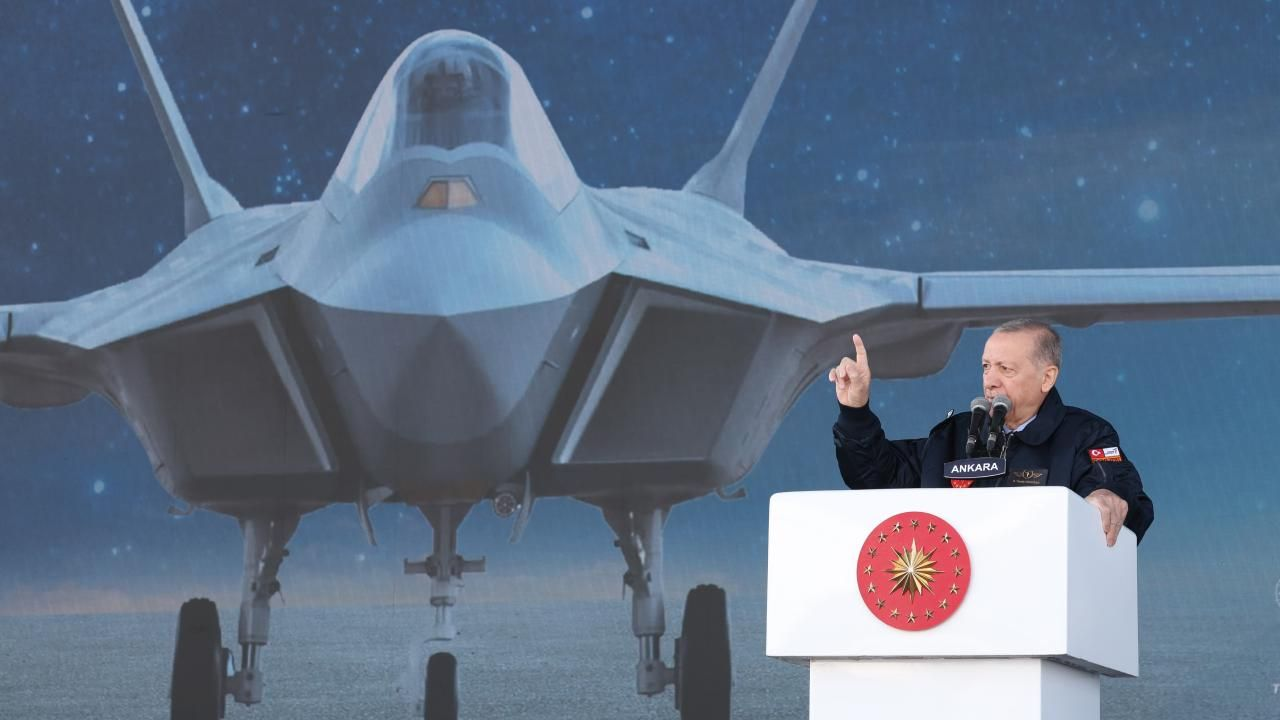
Fighter jets and helicopters broaden the aerospace push
Türkiye’s defence strategy now extends beyond unmanned aviation.
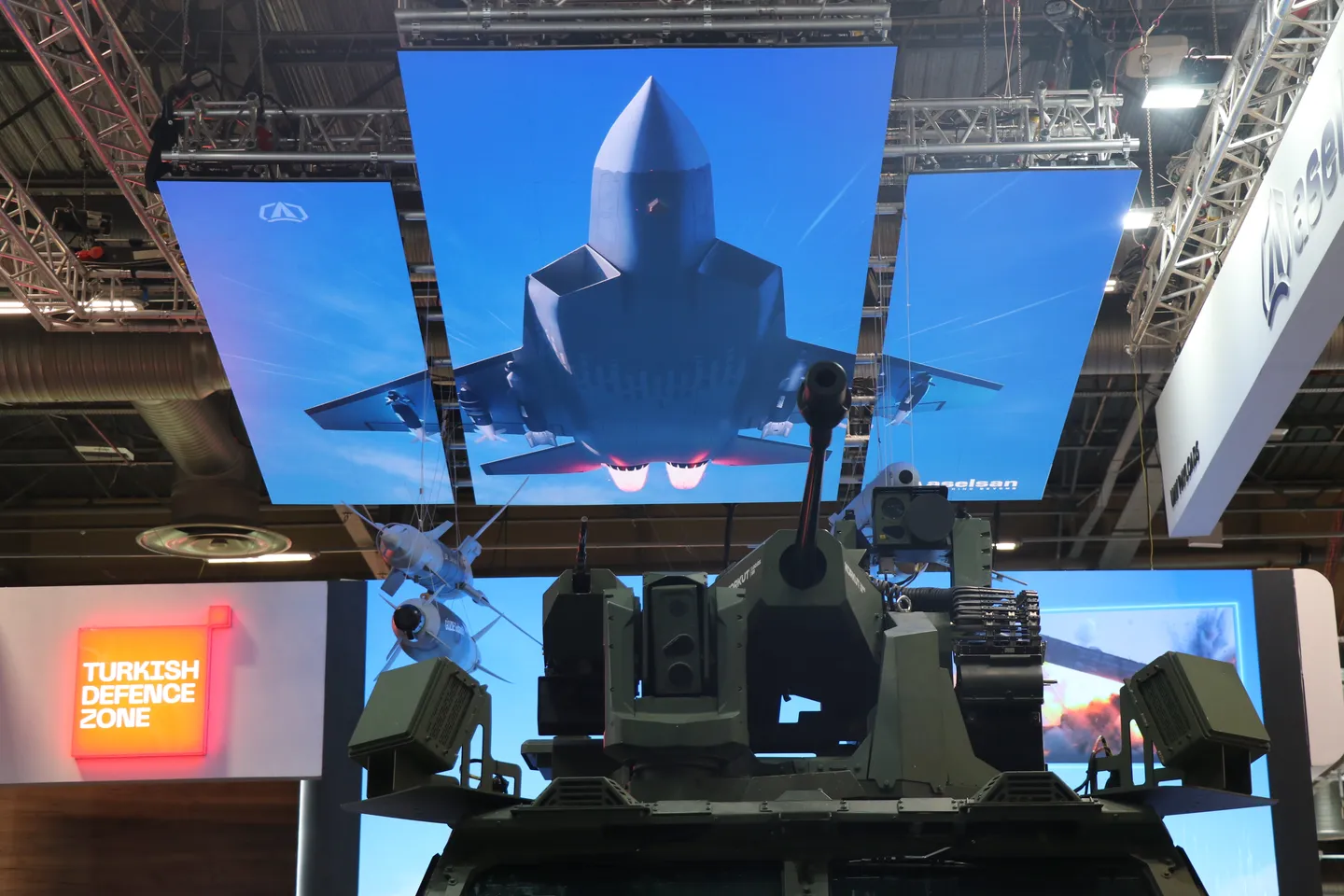
The Kaan twin-engine fighter program represents one of Türkiye's most technologically ambitious aviation projects, incorporating low-observable design, advanced avionics, radar and mission systems.
The Hurjet trainer is another step towards developing domestic manned military aircraft, while experience gained through the T129 Atak helicopter program contributed to the development of the indigenous T625 Gokbey.
A growing presence at sea








Türkiye's naval industry has followed a similar trajectory.
The MILGEM national ship program established a domestic foundation for designing and building naval platforms, from corvettes to frigates, while advancing locally developed combat-management systems, sensors and weapons integration.
The planned TF-2000 air-defence destroyer is designed to expand the Turkish Navy's long-range air-defence capabilities, while the MILDEN project is taking domestic shipbuilding expertise into submarine development.
The TCG Anadolu and Bayraktar TB3 have also introduced a new sea-air operating concept, combining amphibious capabilities with a drone designed to operate from a short runway at sea.

Layered air defence and precision strike
Türkiye has simultaneously expanded its domestic air-defence architecture through systems such as Hisar and Siper.
The Steel Dome concept brings together radars, electro-optical sensors, electronic warfare, command-and-control systems and air-defence weapons into a networked architecture designed to counter threats at different ranges and altitudes.
Missile programs including Som, Atmaca, Kara Atmaca and Tayfun have added precision-strike capabilities across air, sea and land domains.
Other systems, including the Altay main battle tank and Aselsan's Koral electronic warfare platform, have helped broaden the domestic industrial base while reducing reliance on foreign suppliers.
Engines emerge as the next frontier
Indigenous propulsion has become a central part of Türkiye's drive for technological independence.
Projects including the PD170, TF6000 and KTJ cover engines for unmanned aircraft, turbofan applications and cruise missiles, addressing one of the industry's longstanding strategic challenges: developing critical power systems domestically.
The push increasingly extends beyond individual platforms, with the industry seeking control over the technologies that underpin them.

From product sales to global partnerships
Türkiye's defence export model has also evolved.
Rather than focusing solely on selling finished equipment, companies increasingly offer training, maintenance, sustainment, system integration, co-production and technology partnerships.
Turkish defence products are now exported to around 185 countries, with roughly 230 different product types in active use worldwide.
The next phase focuses on further reducing foreign dependence on critical technologies, building high-volume production capacity, and expanding Türkiye's position in the global defence market.
The transformation, in other words, is no longer simply about producing more equipment at home. It is about building an end-to-end defence ecosystem capable of designing, powering, integrating, exporting and sustaining increasingly sophisticated systems.