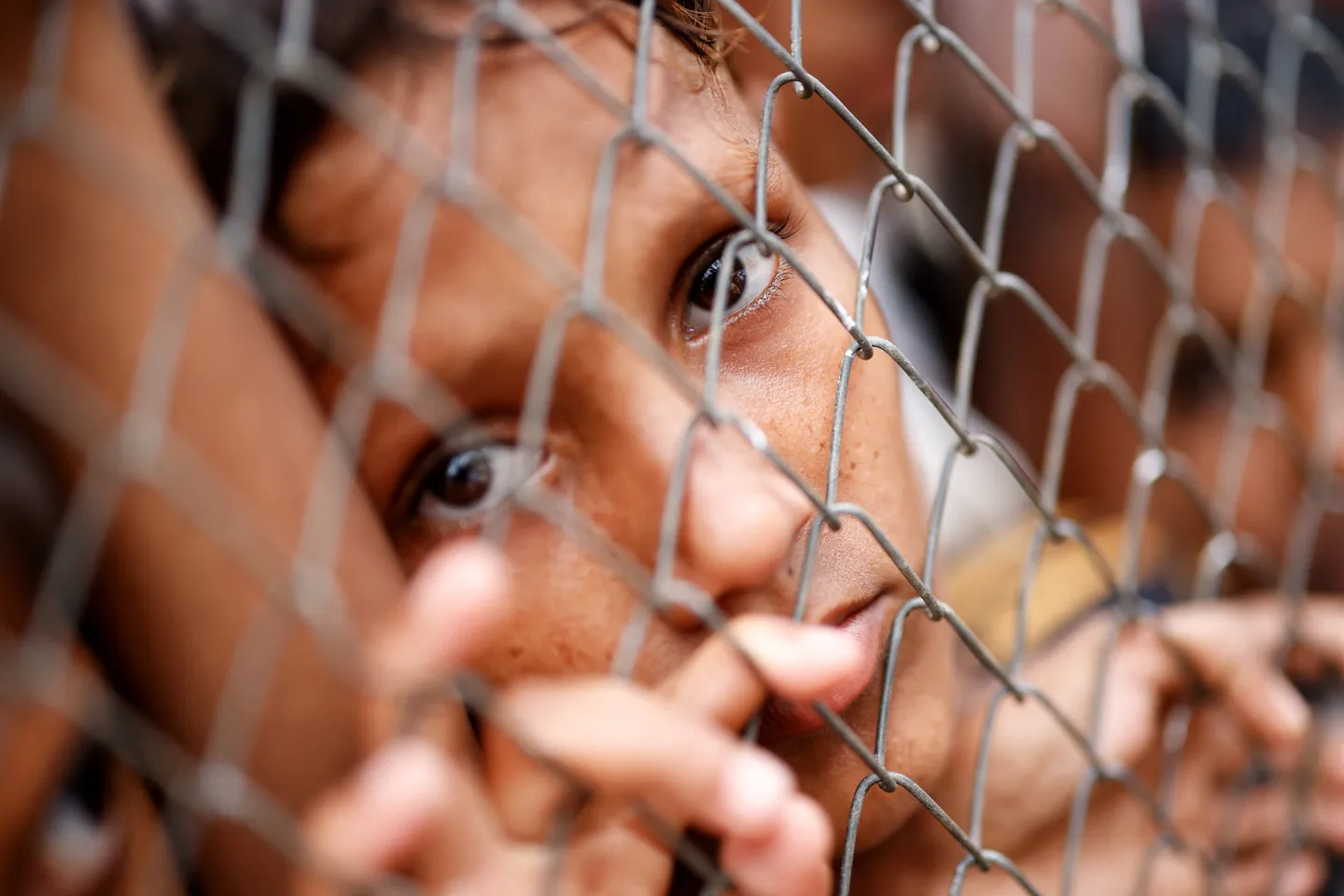
Washington, DC, — For nearly a decade, hundreds of thousands of Rohingya Muslims have been waiting to return to their homes in Myanmar. Many have lost family members, their villages have been destroyed, and their children are growing up in refugee camps in neighbouring Bangladesh.
On Thursday, the International Court of Justice (ICJ) ruled that Myanmar committed genocide against the Rohingya during a brutal military campaign in 2017.
It is the first time the UN's highest court has found a state responsible for committing genocide, marking a major legal victory for a community that has spent years seeking justice.
The ruling came seven years after The Gambia brought the case against Myanmar in 2019, accusing its military of carrying out a campaign intended to destroy the Rohingya as a group.
The judges found that Myanmar's forces had committed atrocities against Rohingya civilians, rejecting the country's argument that the “military operations” were primarily aimed at combating insurgents.
The court also ordered Myanmar to investigate and punish those responsible, provide reparations and facilitate the safe return of refugees.
But what does the judgment mean for the Rohingya, many of whom remain stateless and dependent on international assistance?
Long wait for justice
The Rohingya have faced discrimination and persecution in Myanmar for decades.
Most were denied citizenship under a 1982 law, leaving them without many of the rights enjoyed by other communities in the country.
Restrictions on movement, education, employment and healthcare made everyday life increasingly difficult.
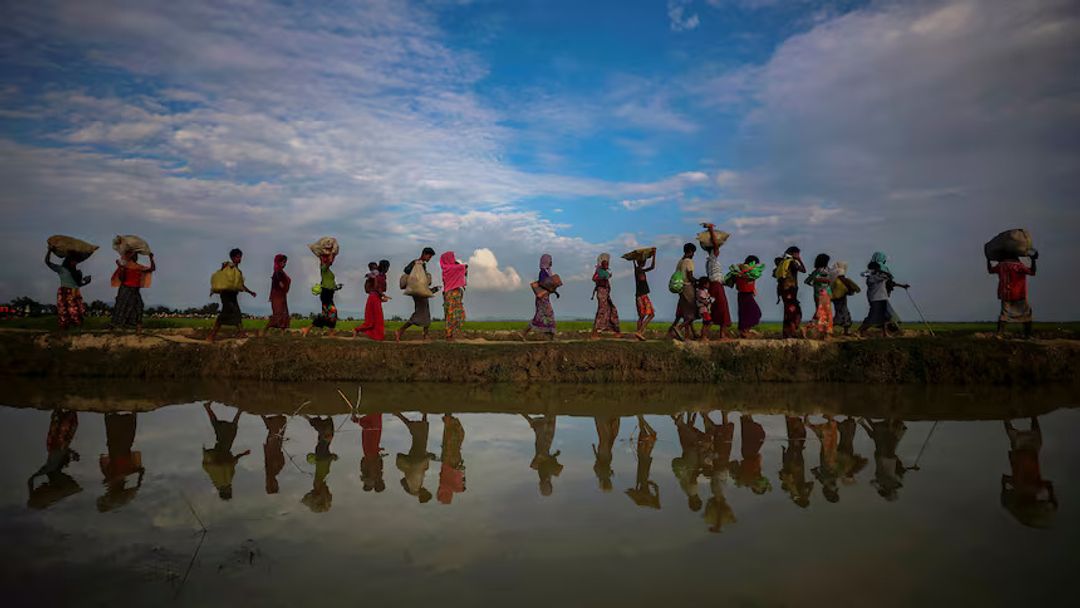
Their situation deteriorated sharply in August 2017, when Myanmar's military launched what it called clearance operations in Rakhine State following attacks by Rohingya insurgents.
More than 730,000 people fled into Bangladesh as reports emerged of mass killings, rape and villages being burned to the ground.
A UN fact-finding mission later concluded that the military campaign included genocidal acts.
Myanmar has consistently denied committing genocide, arguing that its forces were responding to attacks by militants.
The ICJ rejected that defence.
Its judgment establishes that the atrocities were not simply the consequences of a military operation, but acts committed with the specific intent required under international law to establish genocide.
For survivors who have spent years recounting their experiences, the ruling provides formal recognition of the crimes committed against their community.
It also establishes Myanmar's responsibility as a state, rather than leaving accountability solely to possible criminal prosecutions of individual military officers.
Can Rohingya return home?
This is perhaps the most important question for the refugees.
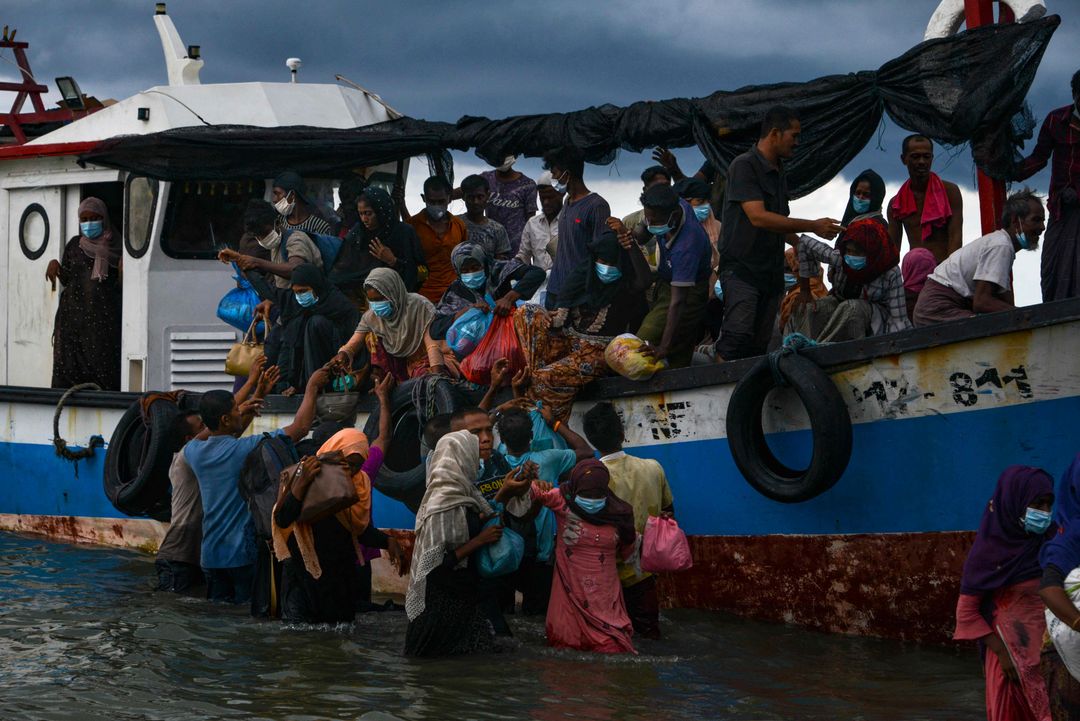
According to Reuters, about 1.2 million Rohingya are living in Bangladesh's Cox's Bazar district, home to some of the world's largest refugee settlements.
Many have been there since 2017, while others fled earlier waves of persecution.
The ICJ has ordered Myanmar to facilitate the safe, voluntary and dignified return of refugees.
It has also called for the restoration or replacement of property and other forms of reparations for victims.
These measures could help refugees recover homes and land lost during the military campaign.
But the ruling does not mean they can immediately return.
Myanmar has been engulfed in conflict since the military seized power in 2021, and fighting in Rakhine State has created fresh dangers for civilians.
The Arakan Army, an ethnic armed group fighting Myanmar's military, now controls much of Rakhine, further complicating the question of who can guarantee the safety of returning refugees.
For Rohingya families, returning without citizenship, freedom of movement and protection from further violence could mean facing the same conditions that forced them to leave.
The judgment provides a legal basis for demanding their return, but putting that into practice will require political and security changes inside Myanmar.
Will Myanmar have to pay compensation?
The court has ordered Myanmar to provide reparations to victims of the genocide.
These could include financial compensation, the return or replacement of property, and assistance for people who suffered physical and psychological harm.



The amount of compensation has not yet been determined.
For families who lost their homes, farmland and livelihoods, reparations could be an important part of rebuilding their lives.
But compensation alone cannot address the loss of relatives or the years spent in displacement.
There is also the question of enforcement.
ICJ judgments are legally binding and cannot be appealed, but the court has no police force to ensure governments comply.
Myanmar's response will therefore be crucial, along with the willingness of other countries and international institutions to press for implementation.
Will those responsible face punishment?
The ICJ ruling holds Myanmar responsible under international law, but it does not convict individual military commanders.
That is because the court deals with disputes between states, not criminal cases against individuals.
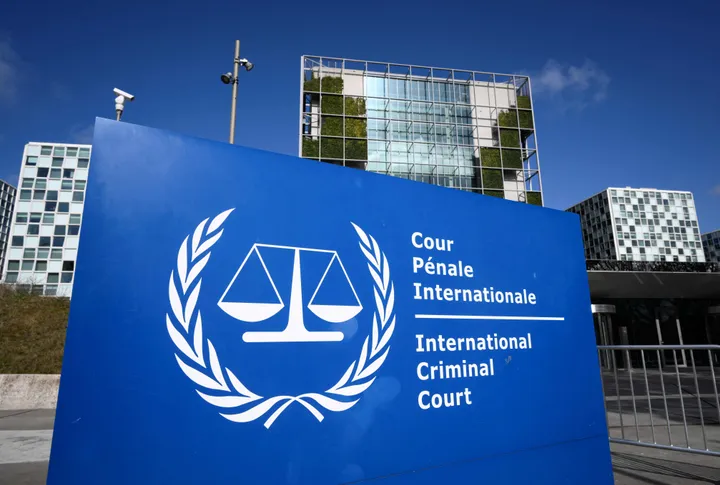
Separate proceedings are being pursued through the International Criminal Court, which investigates and prosecutes individuals accused of serious international crimes.
In 2024, the ICC prosecutor sought an arrest warrant for Myanmar's military leader, Min Aung Hlaing, over alleged crimes against humanity linked to the Rohingya's forced displacement.
The ICJ judgment could strengthen calls for individual accountability, although it does not automatically lead to criminal convictions or arrests.
The court has also ordered Myanmar to investigate and punish those responsible for the atrocities.
For Rohingya survivors, this distinction matters. A finding of state responsibility is a major step, but many also want the military officers and others involved in the violence to face justice.
What changes for refugees in Bangladesh?
For now, daily life in the refugee camps is unlikely to change significantly.
Families continue to live in crowded settlements where access to education, employment and healthcare is limited.
Many depend on humanitarian organisations for food and other basic needs.
The UN refugee agency has repeatedly highlighted the challenges facing Rohingya refugees, including their dependence on humanitarian assistance and the need for safe, voluntary returns.
Funding shortages have added to their difficulties, while insecurity and the lack of opportunities have pushed some refugees towards dangerous sea journeys in search of a better life.
The ICJ ruling does not automatically provide additional humanitarian assistance or resolve the problems facing the camps.
But it could increase international pressure on Myanmar and encourage governments to give greater attention to the Rohingya crisis.
It also strengthens the argument that refugees should not be forced to return until conditions are safe and their rights are protected.
What happens next?
The judgment is final and legally binding under Article 59 of the Statute and Article 94(1) of the UN Charter.
Myanmar is required to comply with the court's orders, including investigating the crimes, providing reparations and facilitating the return of refugees.
If it fails to do so, The Gambia can seek further international action, including through the UN Security Council.
However, political divisions among major powers could make enforcement difficult.
The decision could also influence other genocide cases before the ICJ, including South Africa's case against Israel over Gaza, particularly in how judges assess evidence of intent to destroy a protected group.
For the Rohingya, Thursday's ruling is an important moment after years of waiting.
The world's highest court has now formally recognised that their community was subjected to genocide and that Myanmar bears responsibility.
But the bigger questions remain unresolved.
The ruling offers a path towards justice, but its real significance will depend on what happens beyond the courtroom.
For the Rohingya, the hope is to return to their homeland, live without fear and have the same rights as other citizens.