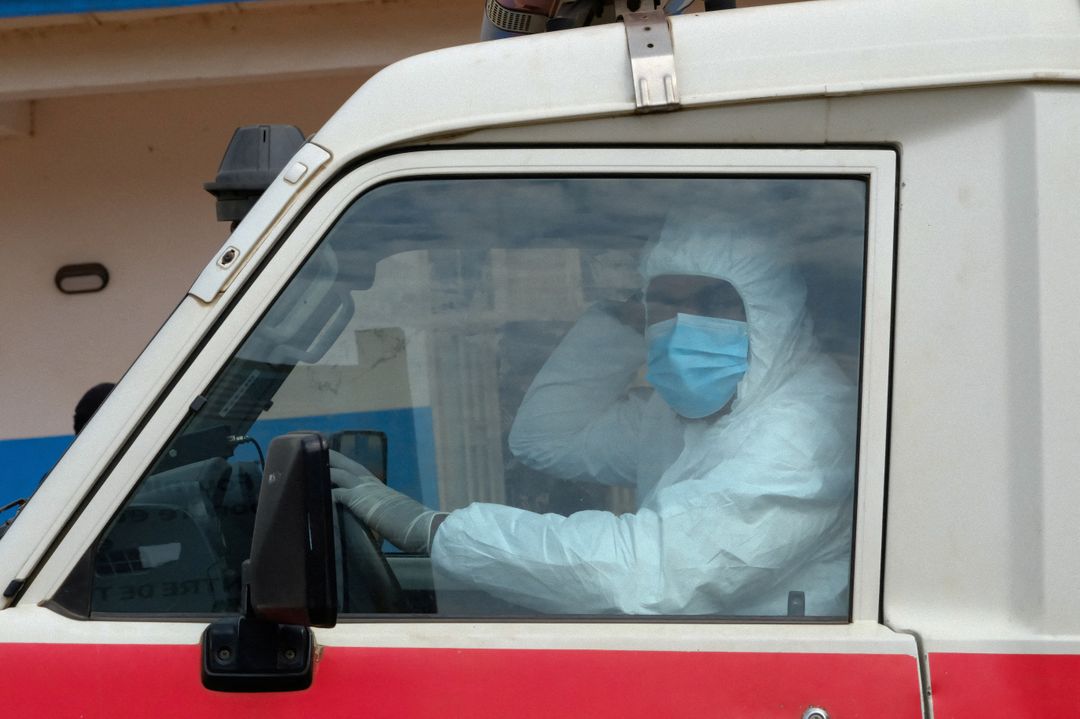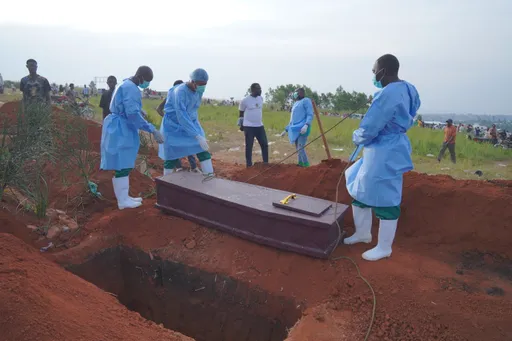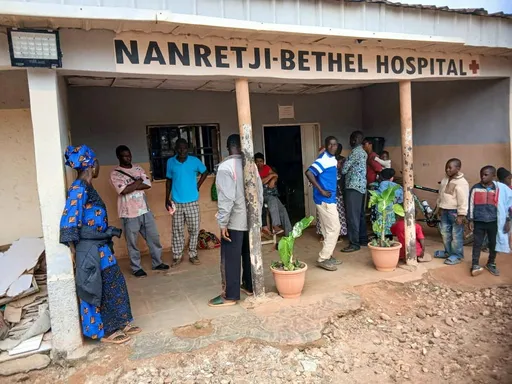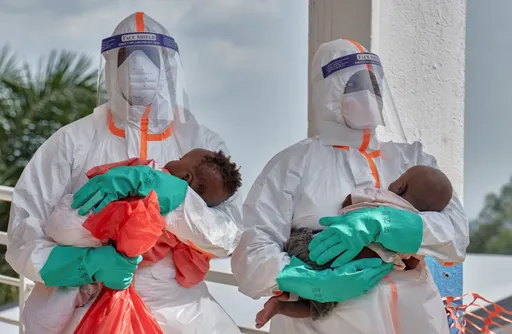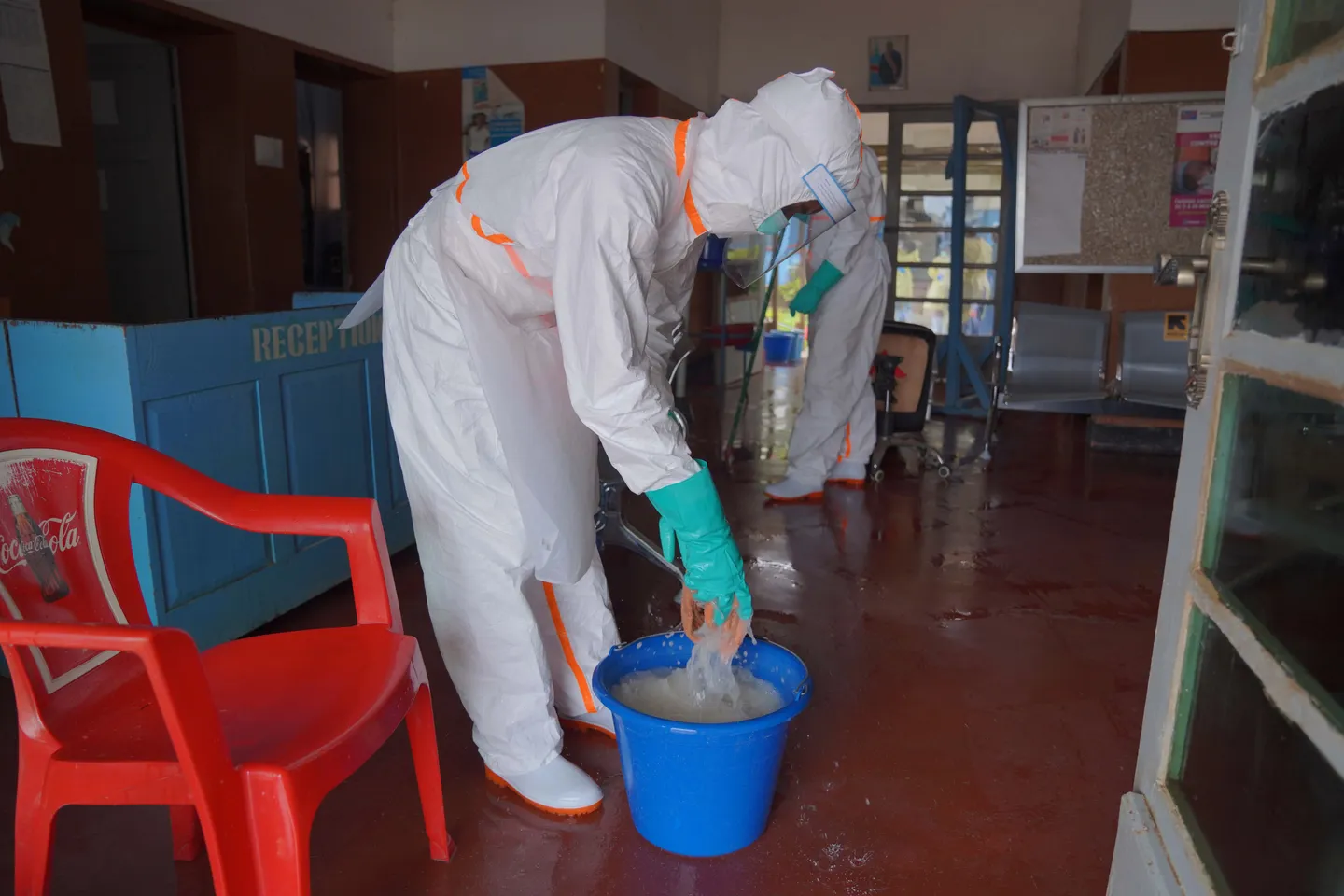
At least 2,000 people have died among the confirmed cases in the Democratic Republic of the Congo’s Ebola outbreak that is the fastest growing on record, according to latest government data.
Government data published overnight into Tuesday showed the outbreak has recorded a total of 4,381 confirmed cases, including 2,011 deaths. A total of 704 patients are in admission and isolation.
The Ebola outbreak declared on May 15 is unlike most previous ones because the rare Bundibugyo virus responsible for it has no approved vaccines or treatments.
The World Health Organization said on Monday that it started in February, long before authorities detected it in one of DRC’s most remote and vulnerable areas.
“So we are chasing the virus, the virus is ahead of us,” WHO regional director for Africa, Dr Mohamed Yakub Janabi, said, explaining that initial testing did not pick up the Bundibugyo strain, and many cases were likely misdiagnosed as malaria or typhoid fever.
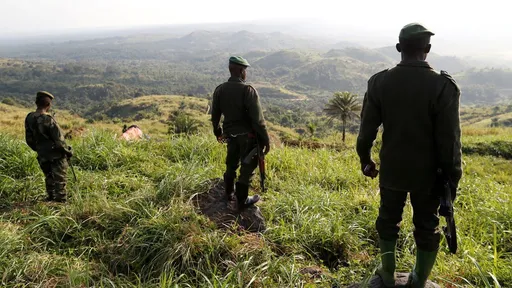
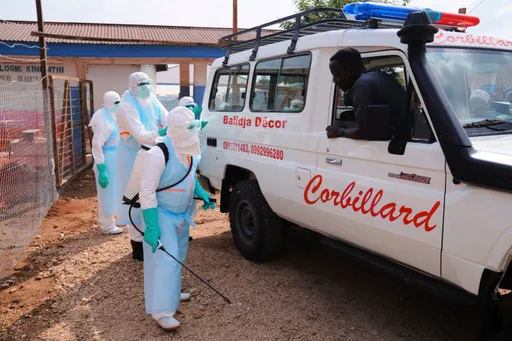
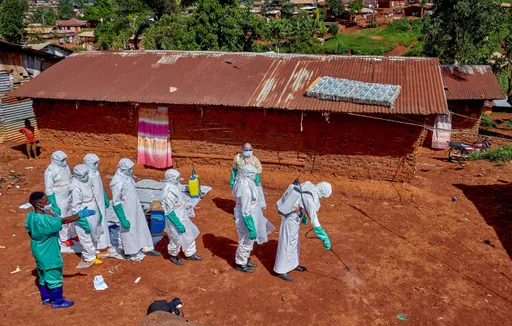
The outbreak is unfolding in some of the most challenging conditions imaginable, with strikes by some unpaid health workers, threats by rebel groups, anger from long-traumatised communities and misinformation asserting that Ebola isn’t real.
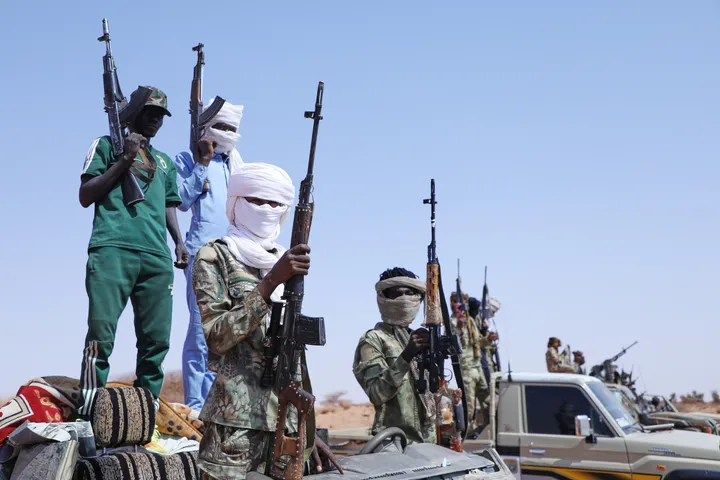





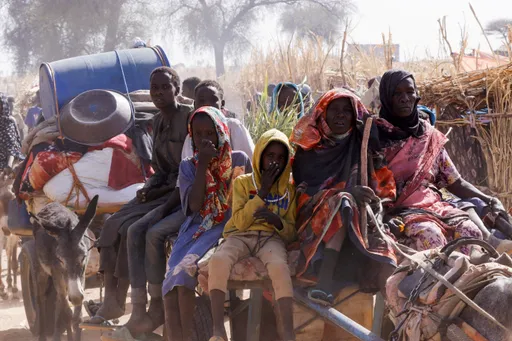
Health teams travel remote, unpaved roads and have reported shortages of protective gear, while a vast population of displaced people struggles to find reliable water sources for washing hands.
The outbreak is now the second-largest in history, following the 2014-2016 outbreak in West Africa, which killed 11,325 people.
It’s moving at a quicker pace than that outbreak, though, with an average of 75 to 80 new cases each day.
Moreover, contact tracing still lags, with health zones reporting only 75 percent of contact follow-up. Ninety-five percent is needed to control an active outbreak.
WHO assesses the global risk of spread as low because Ebola does not travel through the air, making it much harder to spread than respiratory viruses. Cases detected outside the affected region have so far been quickly identified and contained without leading to sustained transmission, according to the agency.