 Murat Sofuoglu
Iceland’s recent rejection of renewed EU accession talks has put the country’s long-running debate over sovereignty back into focus, while raising questions about the European Union’s appeal to countries outside the bloc.
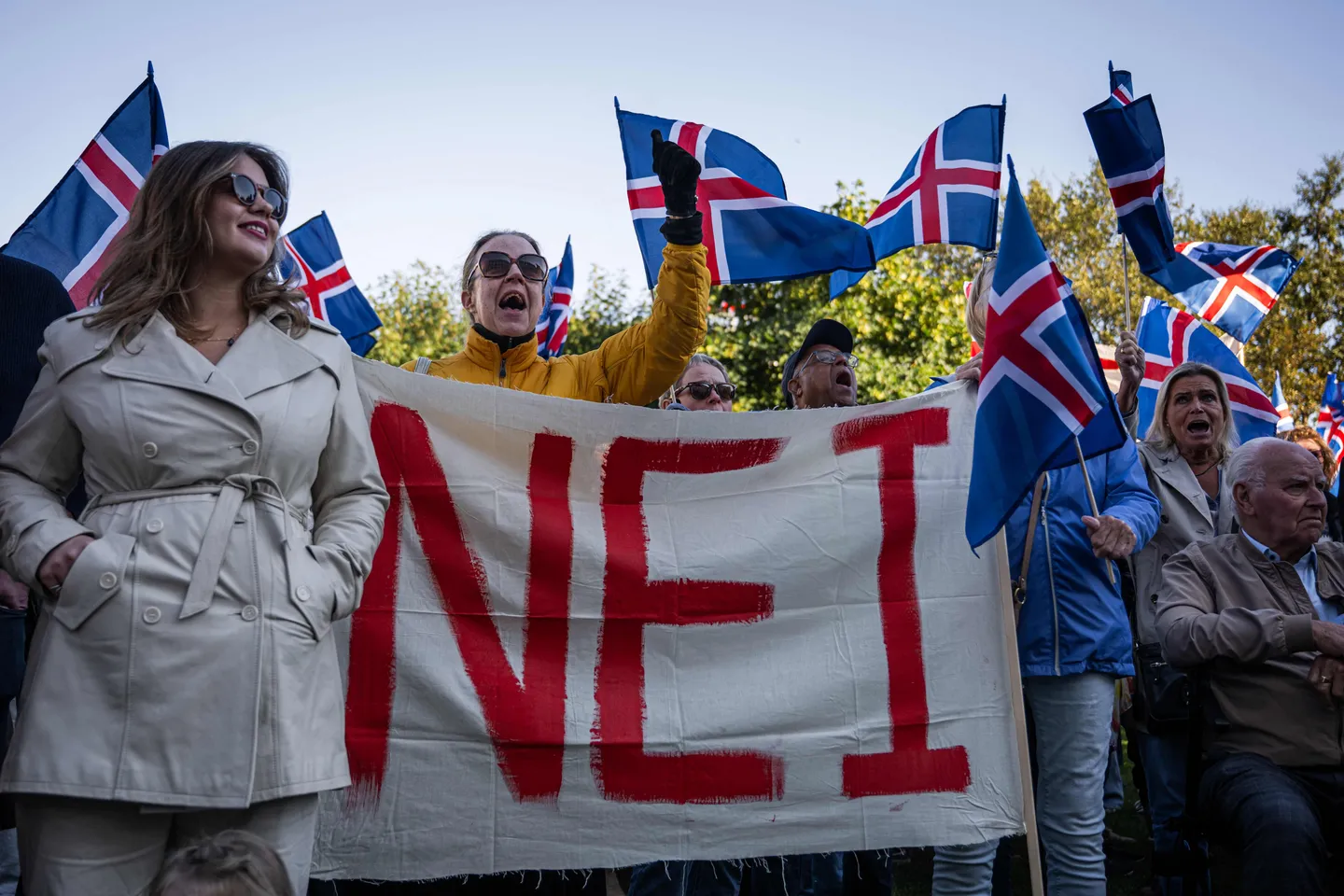
The EU has grown from six founding members to 27 states over the past seven decades and is pursuing further enlargement. But in Iceland, voters narrowly rejected reopening membership negotiations with Brussels.
For many Icelanders, experts say, the question was not simply whether they see themselves as European, but how much control they are prepared to surrender over resources and policies closely tied to the country's economy and national identity.
“For voters, the central issue was sovereignty and the extent to which decision-making authority would move from Iceland to EU institutions in Brussels,” Margrét Ágústa Sigurðardóttir, the secretary general of the Icelandic Farmers' Association, tells TRT World.
“Concerns about fisheries, agriculture, natural resources, food security, and democratic accountability featured prominently throughout the campaign. Many people felt that decisions on these fundamental issues should continue to be made in Iceland by those directly accountable to Icelandic voters,” she says.
Sigurðardóttir, who actively supported the “No” campaign, says its supporters came from different regions and a wide range of social and economic backgrounds.
But she cautions against interpreting the result as a rejection of Europe itself. Iceland remains part of the European Economic Area (EEA), giving it access to the EU's single market and the Schengen free-travel area.
Instead, she says, the result reflects Icelanders' desire to retain “national control over matters they regard as vital to the country's long-term interests”.
At the heart of that debate is fishing.
The country’s fishermen, descendants of Vikings, a nation of sailors, have long prided themselves on their cod and haddock catches from the icy Arctic waters around Iceland, where seafood and marine products make up nearly a third to 40 percent of the Nordic country's total exports.
As a result, the country’s economy has largely been built around its fishing industry, rooted in rural areas and Iceland’s northwest, where more than 60 percent said no to EU talks.
While urban areas like the capital, Reykjavík, said yes, even young voters did not seem very enthusiastic about joining Brussels.
Full EU membership would require Iceland to negotiate its relationship with the bloc's Common Fisheries Policy, raising concerns among opponents about how much control Reykjavík could retain over access to its waters and fishing resources.
For Anders Wivel, professor of political science at the University of Copenhagen and an expert on Scandinavian foreign policy and Nordic security, the resistance to EU membership reflects two interconnected factors: Iceland's history as part of the Danish kingdom and the economic importance of fisheries.
“Many in Iceland cherish the full independence of the country for historical reasons thinking that the time of being part of the Kingdom of Denmark was a time of dominance from Copenhagen. Economically, the fishery policies of the EU are unattractive to the politically influential fishery industry,” Wivel tells TRT World.
Iceland became an independent republic in 1944, severing its remaining constitutional ties with Denmark while the latter was under Nazi occupation.
That history has helped make sovereignty particularly important in Icelandic politics, while the country's relationship with the EU has repeatedly reflected tensions between closer European integration and retaining national control.
Evren Kucuk, professor of international relations at Kastamonu University and an expert on Nordic politics, similarly identifies sovereignty and fisheries as the two main factors behind opposition to membership.
Those concerns have shaped Iceland's on-and-off relationship with EU accession for more than a decade.
Iceland applied for EU membership in 2009 following the global financial crisis and began accession negotiations the following year. The process was later suspended in 2013, before the government withdrew the application in 2015.
While renewing EU talks
In 2024, newly elected Prime Minister Kristrún Mjöll Frostadóttir's government sought to reopen the debate over Iceland's relationship with the EU, including whether accession talks should resume.
The push came as Iceland faced a changing security environment, including growing tensions between Europe and Russia over the war in Ukraine and increasing geopolitical competition in the Arctic.
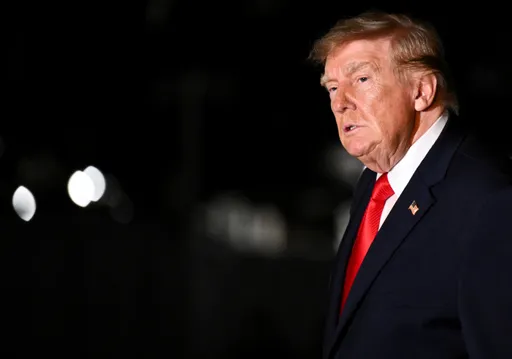
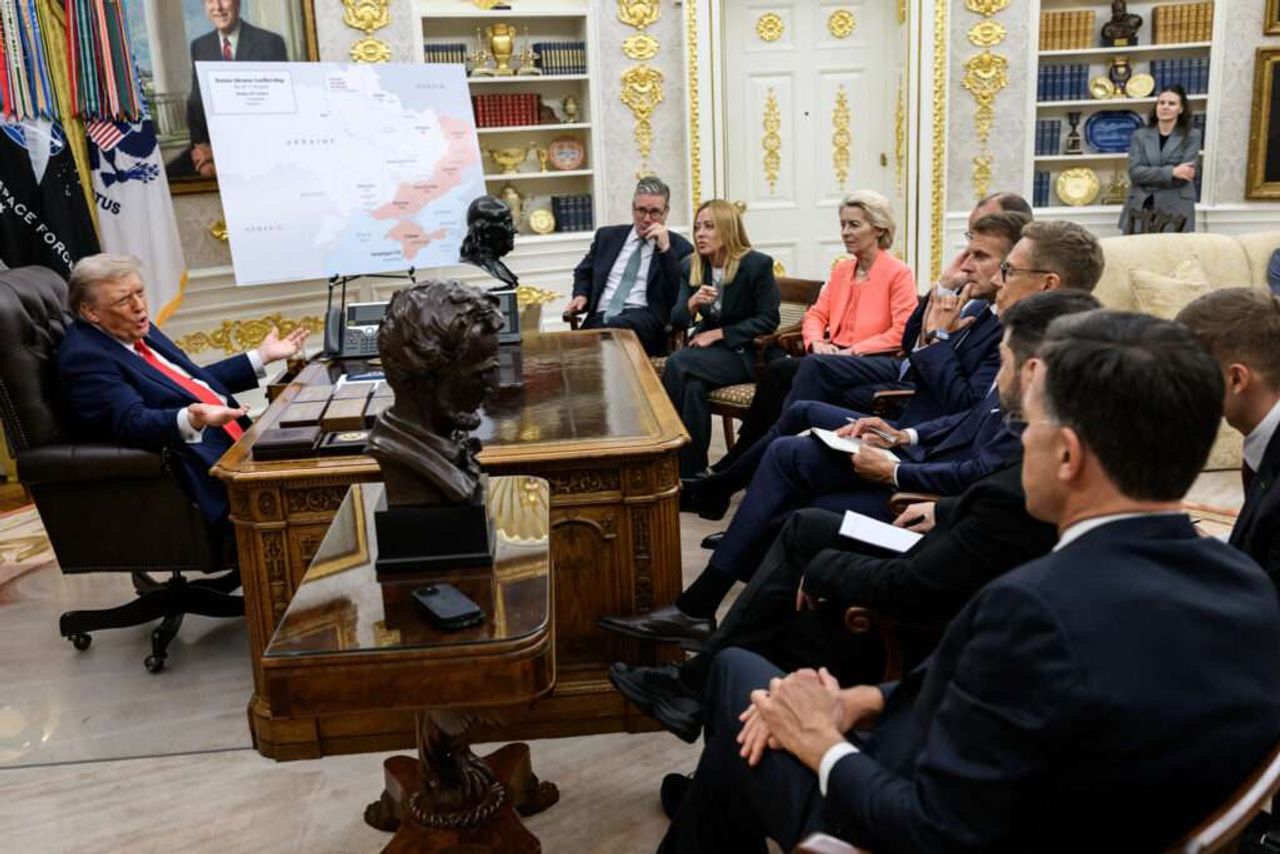
The Trump administration’s repeated statements about acquiring Greenland have added another dimension to those concerns.
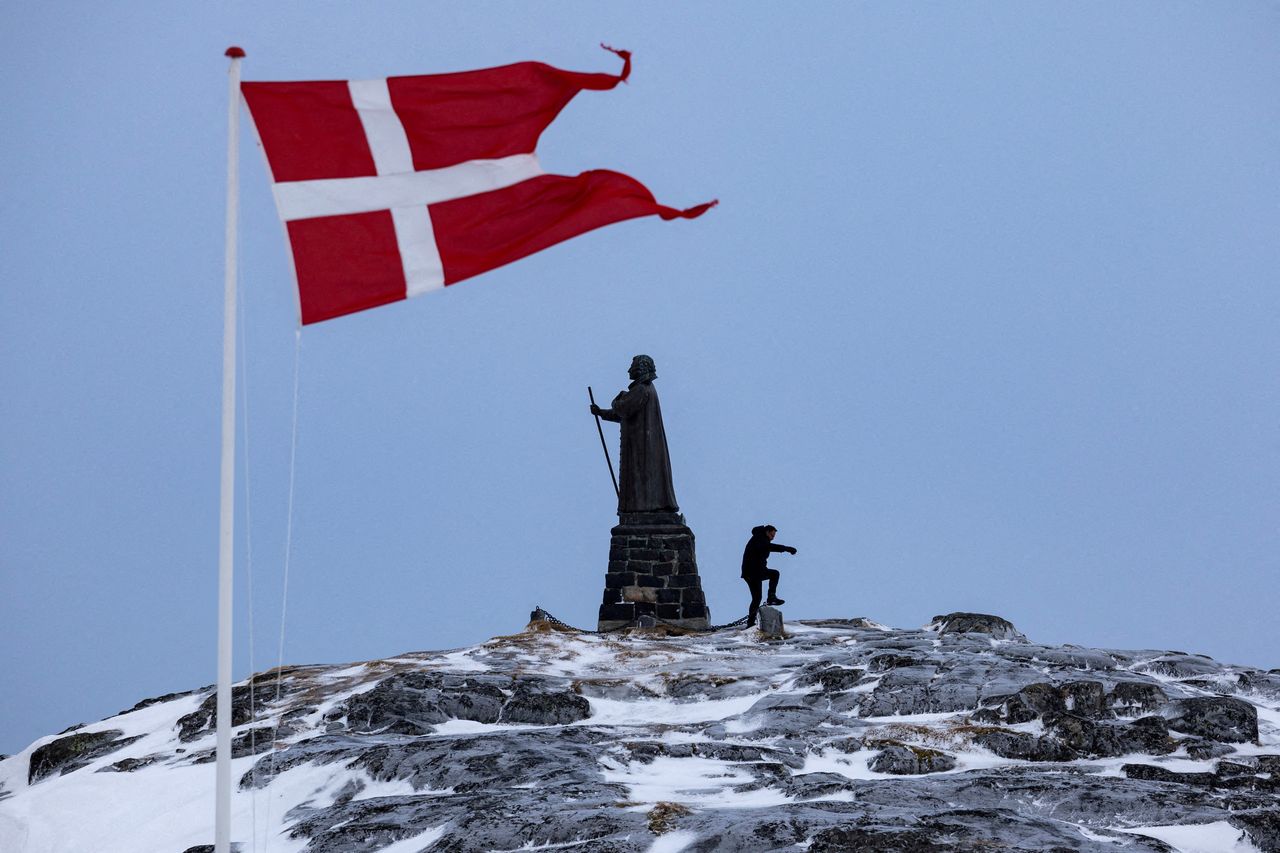
Iceland lies about 290 kilometres from Greenland and, like Denmark, is a NATO member. Some Icelanders were unsettled when Trump mistakenly referred to Iceland four times while discussing his ambitions to acquire Greenland.
“Trump saying ‘Iceland’—even if by mistake—made the leadership in Reykjavik feel like they were sitting on a hot seat,” Kucuk tells TRT World.
Kucuk says the Frostadóttir government has also had to consider the wider transformation of Nordic security, particularly after Russia's war in Ukraine prompted historically non-aligned Finland and Sweden to join NATO.

At the same time, competition in the Arctic has intensified, placing Iceland in an increasingly important strategic position between North America and Europe.
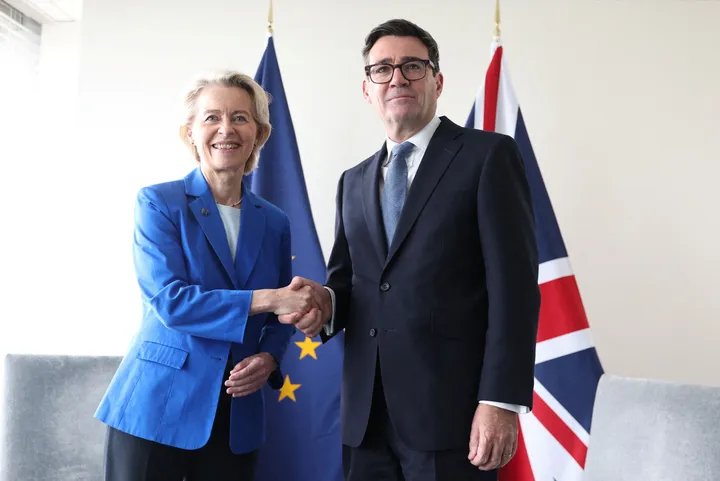
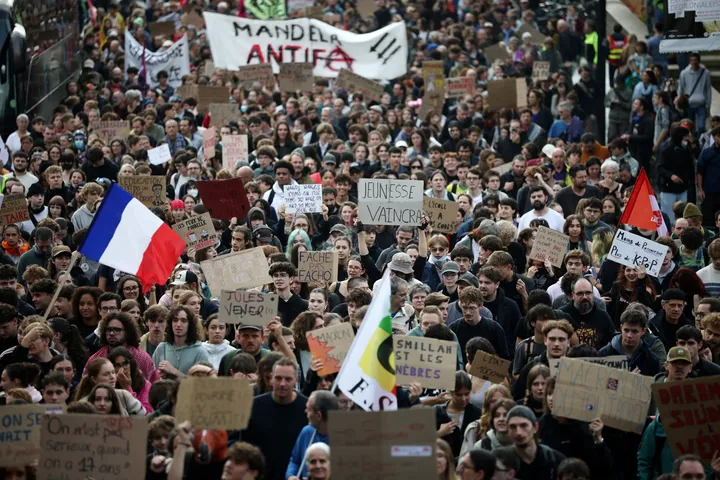
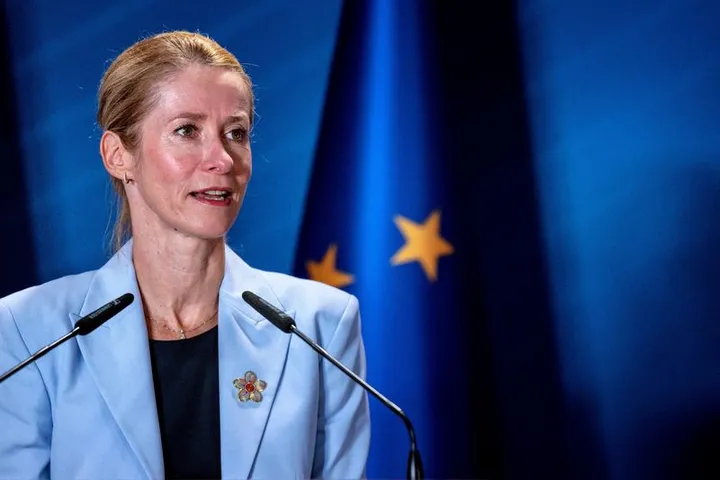


For Brussels, Kucuk says, Icelandic membership could also strengthen the EU's position in the Arctic, where the US, Russia and China are competing for influence, while giving fresh momentum to its wider enlargement policy.
“It has been a joy to see so many people engage actively with this debate. It has lifted the conversation about the EU and Iceland’s place in the world to a new level,” Frostadóttir said, before the votes were counted.
But the result went against the government's push to reopen negotiations, with nearly 53 percent voting against renewed EU accession talks.
After the result became clear, Frostadóttir said her government would accept the outcome.
How Brussels feels about Iceland’s no
Iceland's vote also comes at a complicated moment for the European Union's enlargement ambitions.
The bloc has expanded from six founding members to 27 countries, with its largest single enlargement coming in 2004, when 10 countries joined. But no new country has entered since Croatia became a member in 2013.
Instead, the EU has spent much of the past decade confronting challenges within its existing borders, including Brexit, disputes over migration and economic policy, and the rise of political movements critical of greater European integration.
At the same time, Brussels is again pursuing enlargement, with several countries formally seeking membership.
Against that backdrop, Iceland's decision to reject renewed accession talks is unlikely to derail the EU's wider enlargement agenda. But analysts differ over what the result says about the bloc's ability to attract countries that already enjoy close economic and political ties with Europe.
“It will be a disappointment,” to the EU leadership, says Wivel, referring to Iceland’s no vote, “in particular at a time when US foreign policy is less predictable and more transactional than before.”
Before the vote, he says, EU leaders would have calculated that “Iceland would benefit from the political and economic shelter of EU membership”.
But Wivel cautions against overstating the result's significance for the bloc as a whole.
“Few will notice and those who do will think of it mainly as an Icelandic problem,” he says.
Kucuk takes a different view, arguing that Brussels may have mixed feelings about the outcome.
Some might feel that “an unnecessary potential tension with the Trump administration has been avoided”, while others might see the result as a bad omen for the future of the union, he says.
“When Trump increased its interest in Greenland, the EU leadership was forced to take a stand against Washington, so Brussels might not want another similar tension with the US on Iceland,” Kucuk says.
On the other hand, he argues, Iceland's rejection could resonate with political movements elsewhere in Europe that are already campaigning against greater EU integration.
“The Iceland result could set a precedent for other movements with anti-EU views empowering far-right groups across Europe,” Kucuk tells TRT World.
“If Iceland cares about its sovereignty, why would France not or Germany not, people might tend to ask.”
He also argues that the result could reinforce scepticism towards membership in other European countries outside the EU, including Norway and Switzerland.
For Kucuk, the wider significance lies in what Iceland's decision may say about the EU's geopolitical appeal amid heightened global instability.
“In a global environment of escalating political tensions from Ukraine to Iran and Taiwan, if a small island nation with strong European culture refuses to join Brussels, it clearly demonstrates a weakening of the EU's geopolitical gravitational pull.”
But Sigurðardóttir, who campaigned for the “No” side, offers a more cautious interpretation.
She prefers “not to overstate the international implications” of the result, stressing that Icelanders were voting on whether to reopen accession negotiations rather than on their relationship with Europe more broadly.
“Iceland is a small country, and this was not a referendum on Europe itself,” she says.
“I do not believe the result fundamentally weakens Brussels' standing. If anything, it highlights an ongoing debate across Europe about the balance between international cooperation and national democratic control.”
For Sigurðardóttir, the vote ultimately comes back to the same concerns that shaped the campaign inside Iceland: sovereignty, resources and the ability of a small country to protect itself in an increasingly uncertain world.
“At the same time, recent years have reminded people that food security is national security,” she tells TRT World.
“In a world shaped by war, supply-chain disruptions, natural disasters, pandemics and geopolitical uncertainty, many voters wanted decisions affecting food production, natural resources and national resilience to remain in Iceland.”