Assal Rad
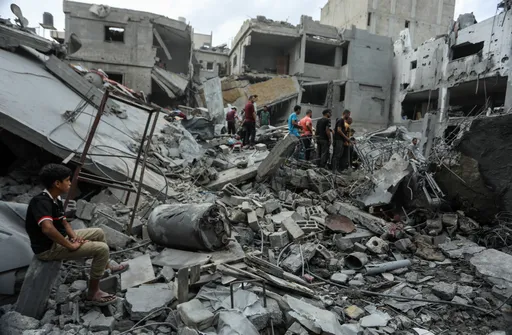
After months of witnessing the unfolding devastation and destruction unleashed by Israel on Gaza, with the full backing of the United States and the apparent inability of the international community to stop the killing, the world anxiously anticipated the ruling of the International Court of Justice last week.
Despite the debates and Western media spin, the decision of the UN's top court was clearly a loss for Israel and the United States, and a small but needed step toward protecting Palestinian civilians.
South Africa’s case against Israel centered around the issue of genocide, stating in its 84-page application to the court: "The acts and omissions by Israel complained of by South Africa are genocidal in character because they are intended to bring about the destruction of a substantial part of the Palestinian national, racial and ethnical group."
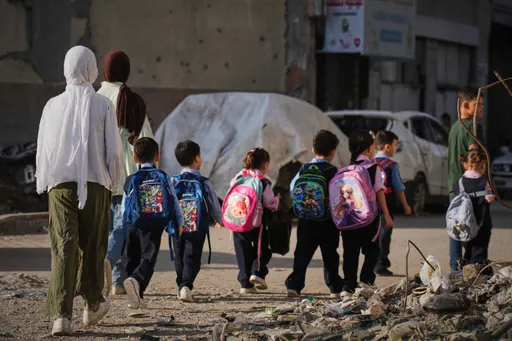
To support its claims, South Africa submitted statements made by Israeli officials, from the prime minister and president to ministers and military personnel, that showed genocidal intent. At the same time, evidence of war crimes, destruction to civilian life, and mass killing of Palestinians—especially women and children—has continued to mount.
In response to South Africa's allegations, Israel denounced the claim of genocide, accused Pretoria of acting as the "legal arm" of Hamas, and called for the case to be dismissed by the court. After rejecting the overwhelming international calls for a ceasefire, US President Joe Biden's administration doubled down on its uncompromising support for Israel by disparaging South Africa’s case and calling it "meritless."
It is precisely because of this disdain from the US and Israel—the kind of condescension that is all too familiar in the double standards with which the US treats its friends and adversaries—that the court’s decision is historic and has significant implications.
Not only did the ICJ find that it has jurisdiction to entertain the case and refuse to throw it out as Israel requested, the overwhelming majority of the 17-judge panel ordered Israel to urgently implement six provisional measures to prevent genocidal acts and the destruction of evidence of war crimes, punish incitement of genocidal acts, and ensure the delivery of needed aid to civilians in Gaza.
The court’s ruling is a crushing rebuke of how the United States has presented Israel’s actions in Gaza. As ICJ President Judge Joan Donoghue stated, "In the court’s view, at least some of the acts and omissions alleged by South Africa have been committed by Israel in Gaza, (and) appear to be capable of falling within the provisions of the convention."





This declaration—coming from an American judge , no less—flies in the face of remarks made by high-ranking US officials like Secretary of State Antony Blinken and National Security Council Coordinator John Kirby, both of whom said South Africa’s case had no merit.
In spite of this clear repudiation of the US and Israel’s position, and the fact that Israel is now on trial for genocide—which is an extraordinarily important development—the Western press chose to focus on the court’s decision to not call for an immediate ceasefire.
While advocates for Palestinian civilians are no doubt justified in criticising the court for stopping short of calling for a ceasefire, as many commentators have observed, the court has no mechanism to enforce one.
As such, the court’s confirmation that Israel’s actions are plausibly genocidal puts pressure on third-party governments to abide by their obligations under international law and prevent genocide, and provides the UN Security Council with more ammunition to demand and enact a ceasefire.
After witnessing all of these atrocities live-streamed for months, the world does not need a court ruling to recognise the unjust and inhumane treatment of Palestinians. However, the ICJ’s judgement may put the Biden administration under more pressure.
What the ICJ called for is the prevention of an unfolding genocide, which was the crux of South Africa’s case. That the court rejected Israel’s demand to dismiss the case and almost unanimously called for broad measures to stop a genocide, help civilians, and hold Israeli officials accountable delivers a meaningful condemnation of Israel’s actions and, by default, the US position throughout this crisis.
This is especially significant given the impunity with which Israel has consistently acted with the full support and diplomatic protection of the United States.
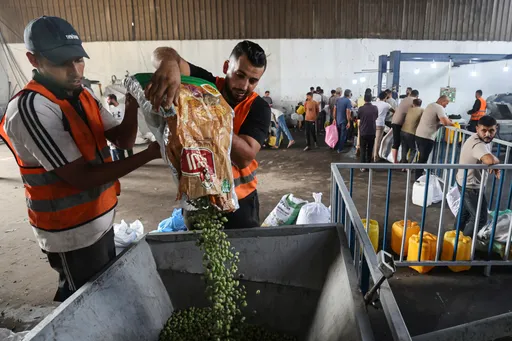
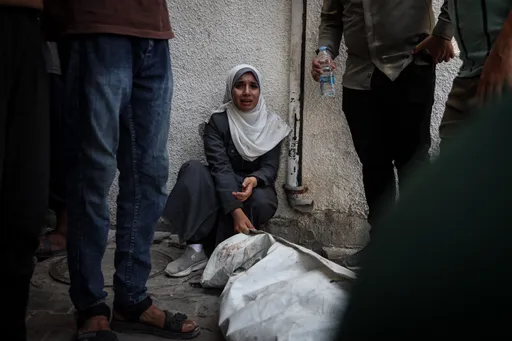
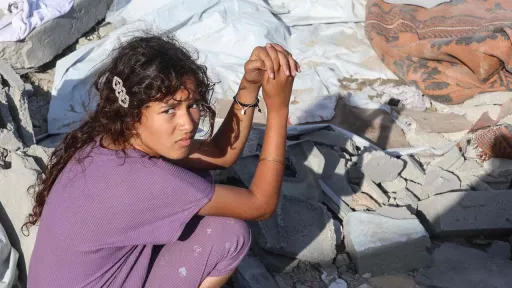
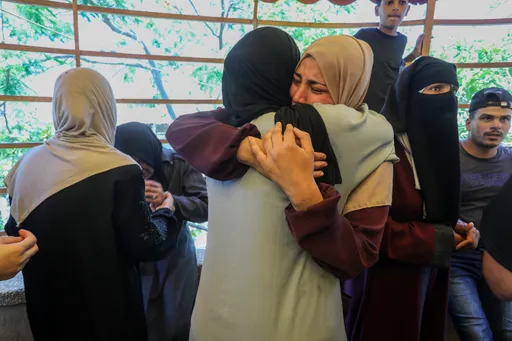
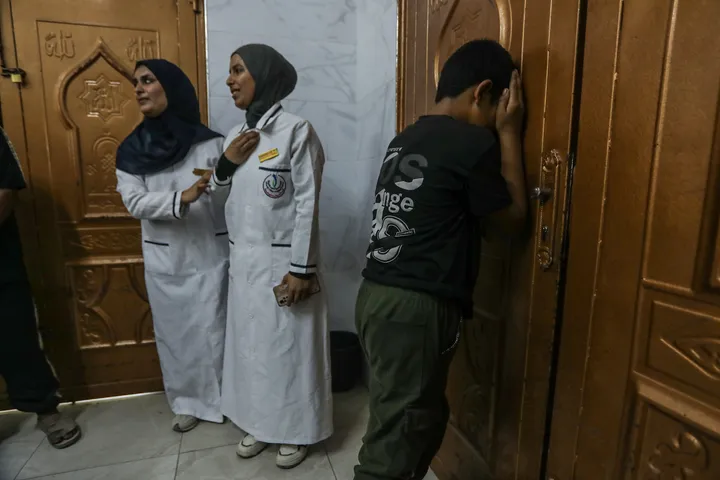
Since October, more than 26,000 Palestinians have been killed in Gaza, including over 10,000 children. Another 65,000 wounded people still suffer from the lack of proper treatment at hospitals, which were rendered dysfunctional due to deliberate Israeli attacks. Two million people have been displaced from their homes, the healthcare system has all but collapsed, and people are being starved.
After witnessing all of these atrocities live-streamed for months, the world does not need a court ruling to recognise the unjust and inhumane treatment of Palestinians. However, the ICJ’s judgement may put the Biden administration under more pressure to heed the international outcry demanding an end to the ongoing slaughter in Gaza, in what may amount to genocide. There is no greater crime against humanity.