 Sadiq S Bhat
Washington, DC — Sixty-six days remain before Americans vote in the crucial 2026 midterms, and Republicans hold narrow majorities in both chambers, leaving control of Congress closely contested.
In the House of Representatives, the GOP holds 219 seats to Democrats' 213, with three vacancies still unfilled. In the Senate, it's 53-45, though two independents who caucus with Democrats narrow that gap to 47.
Democrats need just three more House seats and four more Senate seats to flip both chambers.
The numbers tell a nervous story for Republicans.
Democrats lead by 6.4 points on the generic congressional ballot, according to the RealClearPolitics average, a gap wide enough historically to sweep dozens of seats.
The Senate map still favours Republicans on paper: most of the competitive seats sit in territory Trump won comfortably. Several races, however, have become more competitive.
The nonpartisan Cook Political Report moved both Texas and Iowa from "lean Republican" into the toss-up column, pointing to Republican candidate Ken Paxton's approval numbers in Texas and rising fertiliser prices squeezing Iowa's farmers.
The House looks no calmer. Mid-decade redistricting has shrunk the number of genuinely competitive districts, but what's left is bracing for a fight.
Money is pouring in to match the stakes. Corporate donors have funnelled a record $646M into US political campaigns over the 18 months through June, a 40 percent jump on the entire 2024 presidential cycle, according to watchdog group Public Citizen.
In a Michigan swing district just north of Detroit, Democratic congressional candidate Christina Hines said voters are far more worried about affording fuel, groceries and healthcare than about left-wing politicians gaining ground in her party.
“It costs me $73 to fill up our minivan right now," she said. "This is just not acceptable for working families.”
Some 600 miles away, radical politics is exactly what Republican Representative Mike Lawler wants to talk about in his New York battleground district.
He said the Democratic Socialists of America “is going to be a big issue, in part because that’s the platform that Democrats are running on.”
A transition is underway over these final days of summer as Democrats and Republicans push past internal fights.
Specifically, Democrats are working to refocus on the economy, which voters say is their top concern as the cost of everyday goods remains high, even though inflation has fallen from the peak of Democratic President Joe Biden's term.
Republicans, meanwhile, are seeking to keep the focus on Democrats' lurch to the left, warning about socialism.
GOP talking points
Republican strategist David Urban, a Trump ally, acknowledged that the message “has limits.”
“Right now I think people see the war as a drag on the economy and therefore they don’t like it,” Urban said, warning that the road ahead for the Republican Party may be painful.
The word “gasoline” is mentioned only one time across more than a dozen separate talking points released by the Republican National Committee this month, according to documents reviewed by The Associated Press.
Pertinently, the average price of gasoline in the US was $4.18 last week, the fifth consecutive week that national gas prices exceeded $4.
The talking points place the blame for high costs on Biden administration.
“President Trump is fixing what Biden broke,” they say.

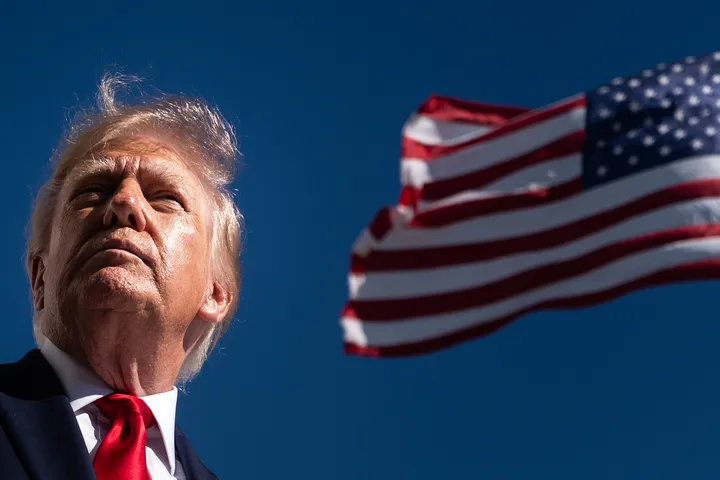






Meanwhile, the word “Democrat” is cited 73 times in this month’s RNC talking points.
US Vice President JD Vance briefly addressed affordability during a visit to Ohio last week, pointing to homeownership as a key concern for young Americans.
“We got a lot of work to do, but we’re finally seeing that American dream of homeownership become accessible again to our young people,” he said.
Vance targeted the rise of Democratic socialists.
“If these radicals take control of Congress, they’re going to pass the craziest agenda America has ever seen,” the vice president said.
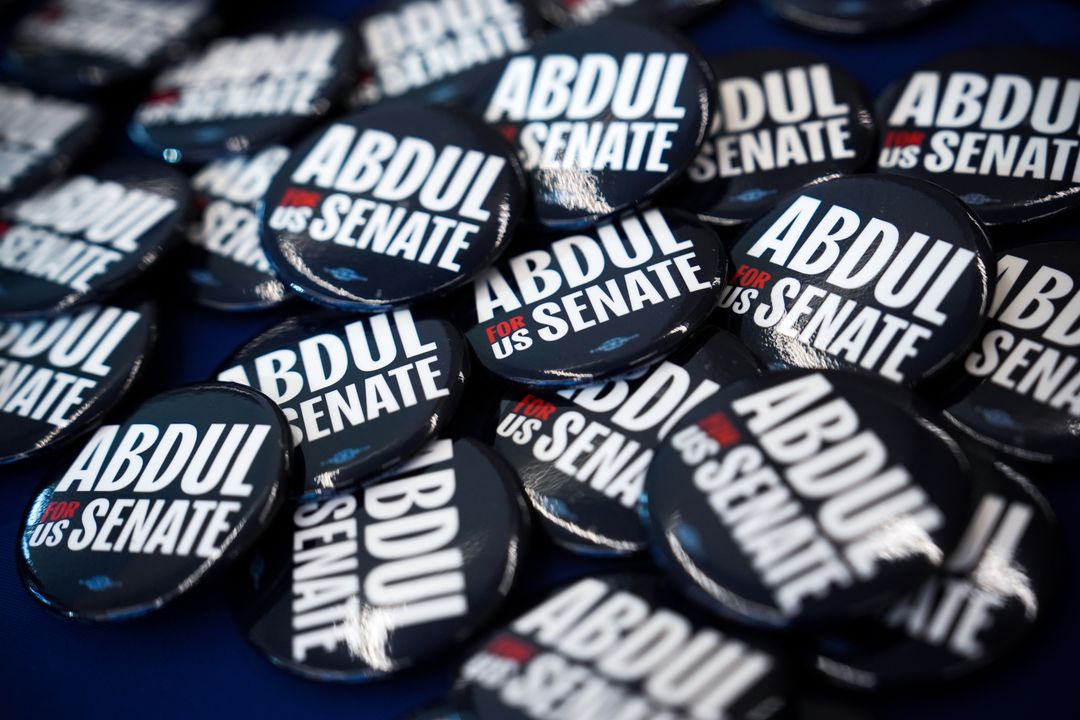
Ideological fractures among Democrats
Some Democratic officials worry that the rise of democratic socialists within the party presents a political problem for candidates in swing districts.
At least eight DSA members or DSA-backed candidates secured Democratic nominations for Congress this primary season.
That includes seven for the House, as well as Democratic Senate nominee Angie Nixon in Florida.
While such candidates represent only a fraction of the 257 seats Democrats currently hold in Washington, Democrats know they cannot ignore the issue altogether.
The Democratic Socialists of America are still far from a household name for most voters.
Only about 2 in 10 US adults had a favourable view of the DSA, according to a CNN/SSRS poll conducted in July, while about one-third had an unfavourable opinion and the rest have not heard of the organisation or do not have an opinion.
About 7 in 10 Democrats or people who lean toward the Democratic Party said they would feel “enthusiastic” or “okay” about their party nominating a candidate who describes themselves as a democratic socialist.
The countdown starts
The clock now shifts from message testing to ballot casting.
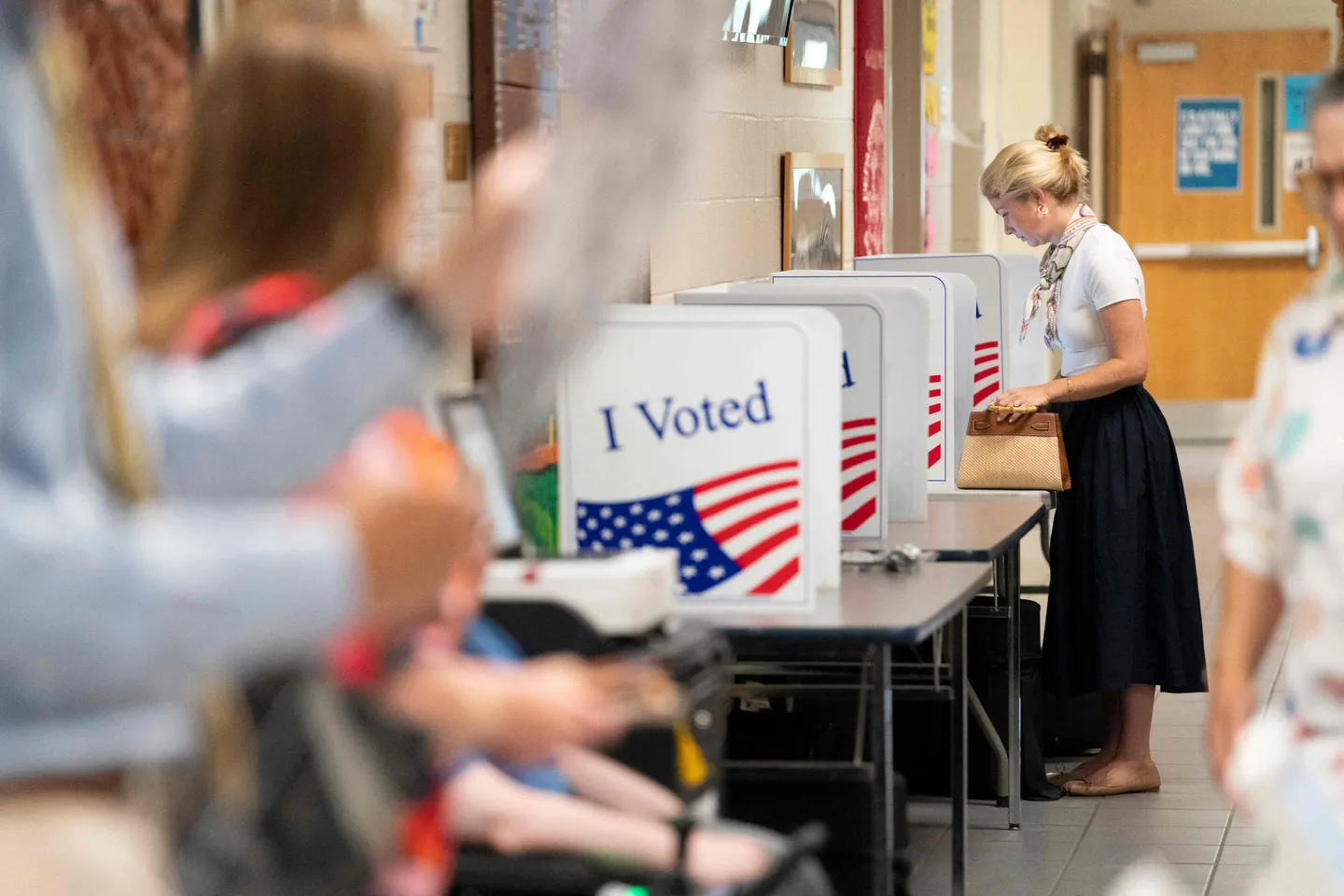
Mail voting opens in 17 states and Washington, DC, in the second half of September, with the rest of the country following in October.
In-person early voting starts even sooner, with Minnesota and South Dakota opening polling stations on September 18, 46 days before Election Day.
Congress will barely be in Washington to watch it happen. Both chambers are scheduled to be out of session for nearly all of October and into the first week of November, a deliberate blackout that sends lawmakers home to campaign as the count begins.
What voters will be thinking about as they fill out those ballots looks settled for now: the economy, prices, and Trump's approval rating, layered over legal fights about voting rules that neither party shows signs of dropping.
The House remains close because there simply aren't many competitive districts left to fight over, a legacy of redistricting.
The Senate comes down to a handful of toss-up races.
In the end, these crucial midterms will be decided by two groups that pollsters can barely measure: people who have not made up their minds yet, and people who might not bother showing up at all.