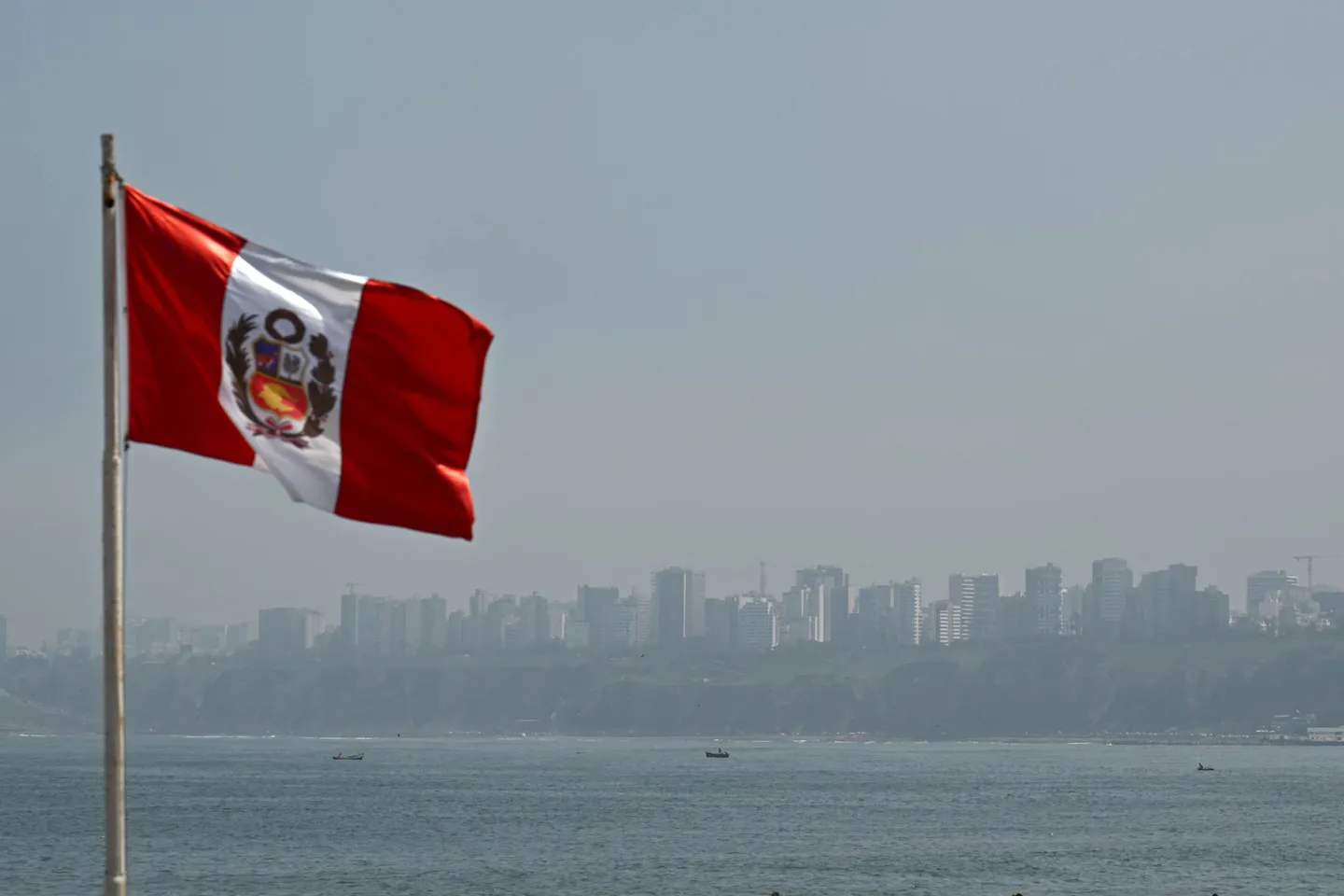
Peru has called on developed countries to increase climate funding and give vulnerable nations greater access to technology as it prepares for potentially severe impacts from El Nino.
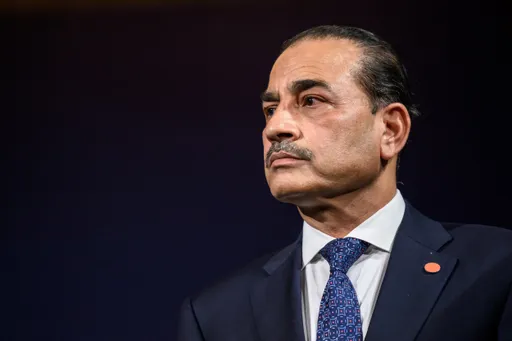
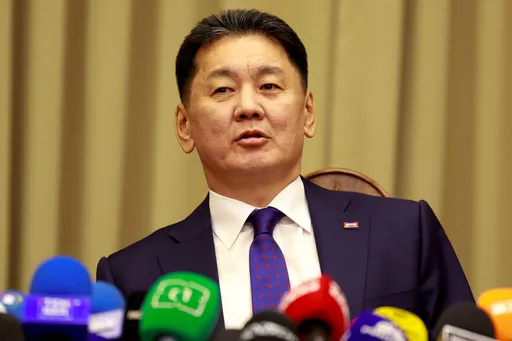
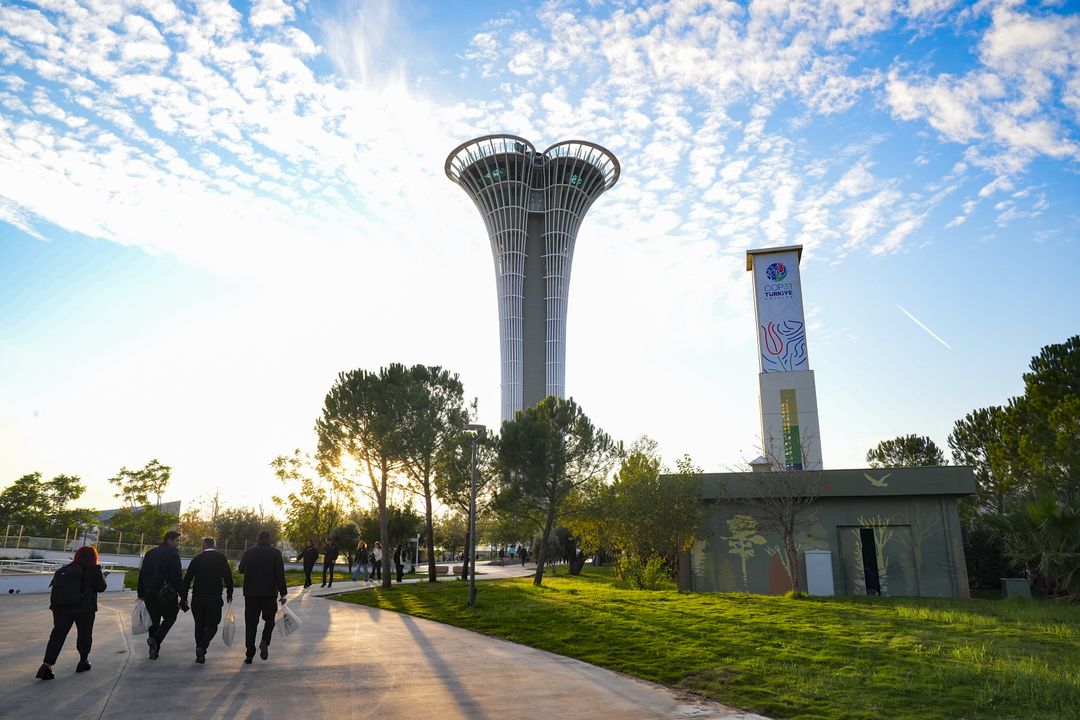
Speaking to Anadolu on the sidelines of the COP31 UN climate summit in Antalya, Türkiye, Environment Minister Vladimiro Huaroc said El Nino was expected to compound the effects of global warming in Peru.
El Nino is a naturally occurring weather phenomenon that is set to bring higher temperatures to much of the planet this year.
“Our appeal is directed primarily at developed countries, calling on them to demonstrate greater commitment and allocate more resources so that nations suffering the consequences, which lack sufficient resources to respond, can implement projects and strategies that deliver results in the short term,” Huaroc said.
“We need funding, greater access to technology and stronger support,” Huaroc added.
Peru prepares for drought and heavy rain
Peru declared a 60-day state of emergency across much of the country in early November to prepare for the potential impacts of El Nino. Huaroc said scientists had warned that the weather phenomenon could have “extremely catastrophic consequences”.
The emergency measures aim to protect families in high-risk areas, particularly those living in ravines and river valleys, he said. Beyond the northern coast, Peru is preparing for possible drought in the southern highlands and heavy rainfall in the Amazon region.
The government has approved more than $2.35 billion (8 billion soles) for the emergency response. Huaroc said Peru would probably need more money given the potential scale of the damage.







“Thousands of schools and thousands of health care centres will be affected, requiring work and resources that we will, of course, need international cooperation to help provide in the coming years,” he said.
Huaroc said Peru had recorded more than 500 El Nino events throughout its history and had drawn on its experience with natural disasters to prepare. He said the combined effects of El Nino and global warming were making that work harder.
Peru and Türkiye near climate agreement
Huaroc said COP31 offered countries an opportunity for “deep reflection” and a chance to set out the support they would need in the years ahead.
Countries had set ambitious targets to reduce the impact of global warming, he said, but progress towards the energy transition remained uneven. Countries with greater financial and technological resources were moving faster, while others still depended on oil to meet their energy needs.
Huaroc said Peru and Türkiye were close to signing a bilateral agreement on climate cooperation that would benefit both countries.
“I believe this visit provides a good opportunity to finalise the agreement, and we are fully prepared to sign it in this context,” he said.