 Sabena Siddiqui
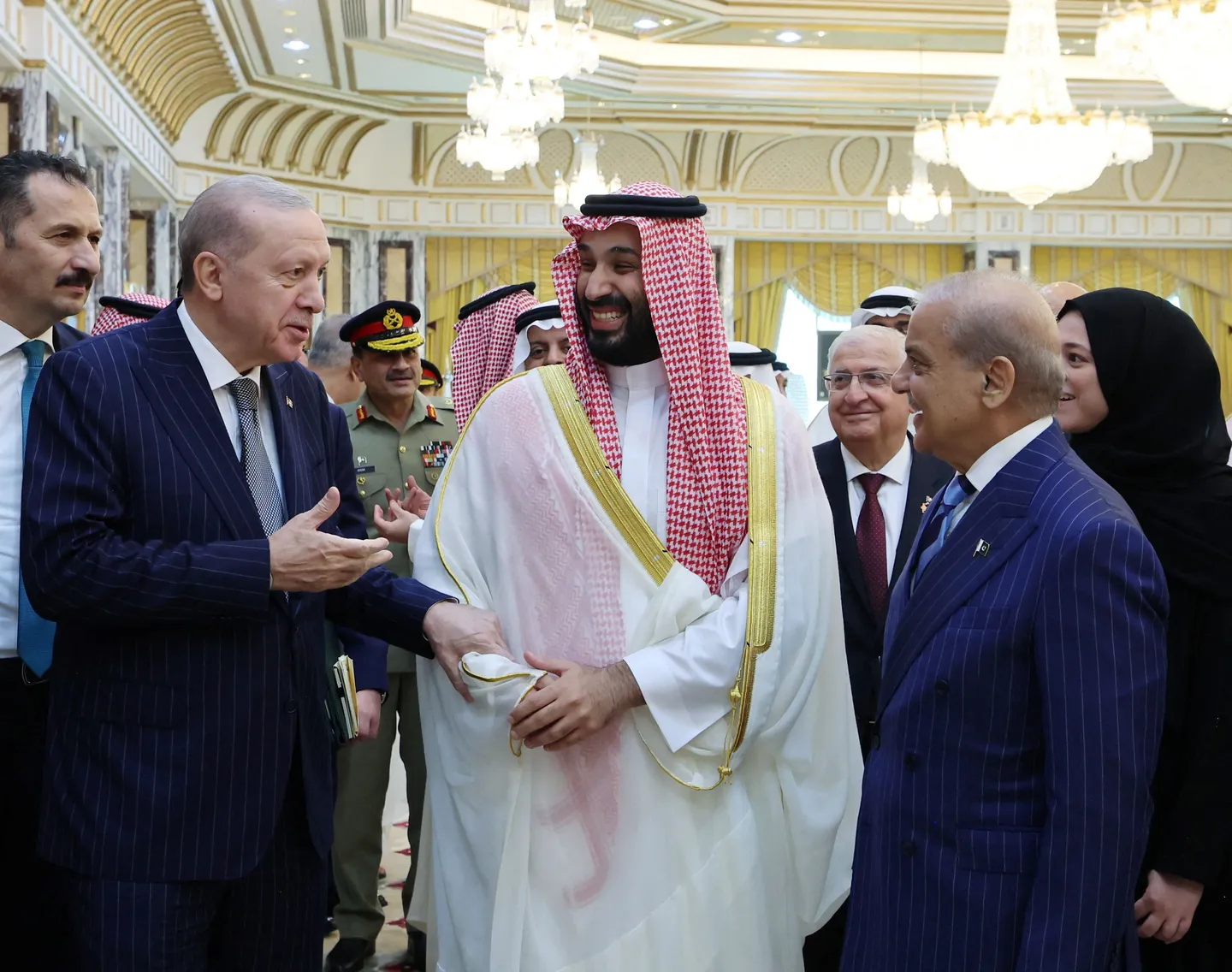
Türkiye, Pakistan and Saudi Arabia coming together under one security umbrella makes a powerful geopolitical statement.
Not the least because of simple facts: Ankara has NATO’s second-largest military, the kingdom of Saudi Arabia is one of the top energy exporters globally, and Pakistan is the only nuclear power in the Muslim world.
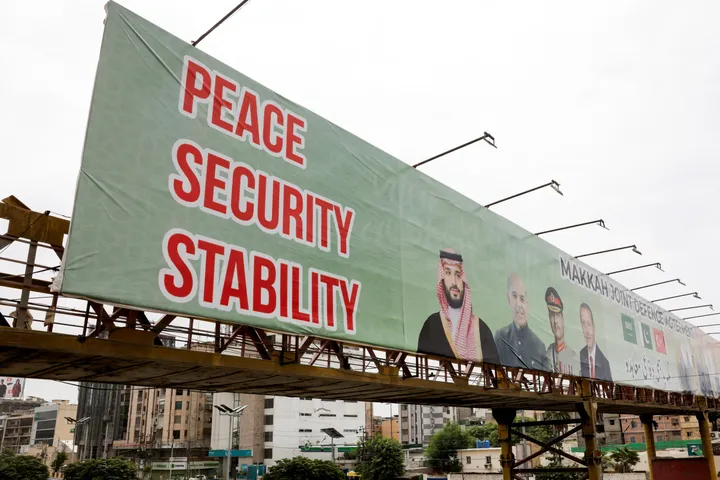
Coming as a reconfiguration of the Middle East amid the winding US-Iran war, the Mecca Joint Defence Agreement represents a key step towards restructuring regional security.
Even as regional powers reassess the vulnerabilities exposed by the conflict, and the threats that might emerge in its wake, the new strategic triangle has taken shape.
But as pointed out by Turkish Foreign Minister Hakan Fidan, the defence agreement “names no common enemy and targets no specific country”.
Instead, the agreement is more of a signal that the three countries would stand together in the face of shared security threats, and restore balance in the region.
And this concept matters at a time when regional tensions sparked by the US-Iran war remain unresolved, energy markets continue to face uncertainty, and diplomatic efforts have yet to deliver sustainable results.
In the days ahead, more countries could join the Mecca alliance.
Turkish President Recep Tayyip Erdogan has made it clear that the agreement remains “open to the participation of all brotherly countries seeking peace, prosperity and stability” in the region.
And there are indications that the next addition may be Egypt.
But this idea for a regional defence alliance has been there for a while. In January this year, before the Iran war started, former Qatari PM Hamad bin Jassim bin Jaber Al Thani had pushed for a security partnership with Egypt, Saudi Arabia, Türkiye and Pakistan, describing it as an “urgent need”.
Even when the war between Washington and Tehran is finally over, the diversification of defence partnerships is likely to continue, as apparently, the Gulf states had started reassessing their situation even before the Iran war began.
Though they had mulled over collective security and coordination for years, the GCC was unable to implement a sustained joint security strategy even after the Israeli attack on Qatar in 2025.
Having experienced a severe backlash from Iran, the GCC states are likely to get pulled toward more multi-layered security arrangements, notwithstanding security guarantees from Washington, as they badly feel the need for backup options.
Notably, the Organisation of Islamic Countries (OIC) has expressed appreciation and support for the Mecca agreement, describing it as an “important strategic step, reflecting the three countries’ commitment to strengthen regional and international cooperation.”
Ultimately, though the Mecca agreement cannot become a substitute for the GCC or American security partnerships, it could help synchronise strategically compatible smaller states.
A regional security umbrella?
By introducing a geographic dimension to Middle Eastern security, the Türkiye-Saudi Arabia-Pakistan framework transcends regional boundaries by creating an Anatolia-Arabian Peninsula-South Asia axis.
As it gathers more members, this trilateral arrangement could grow into a wider, regionally-owned security platform.
The ‘mutual defence’ principle gives the Mecca agreement a significance beyond conventional military cooperation, and it may appeal to regional states trying to create more definitive, indigenous and layered defence mechanisms.

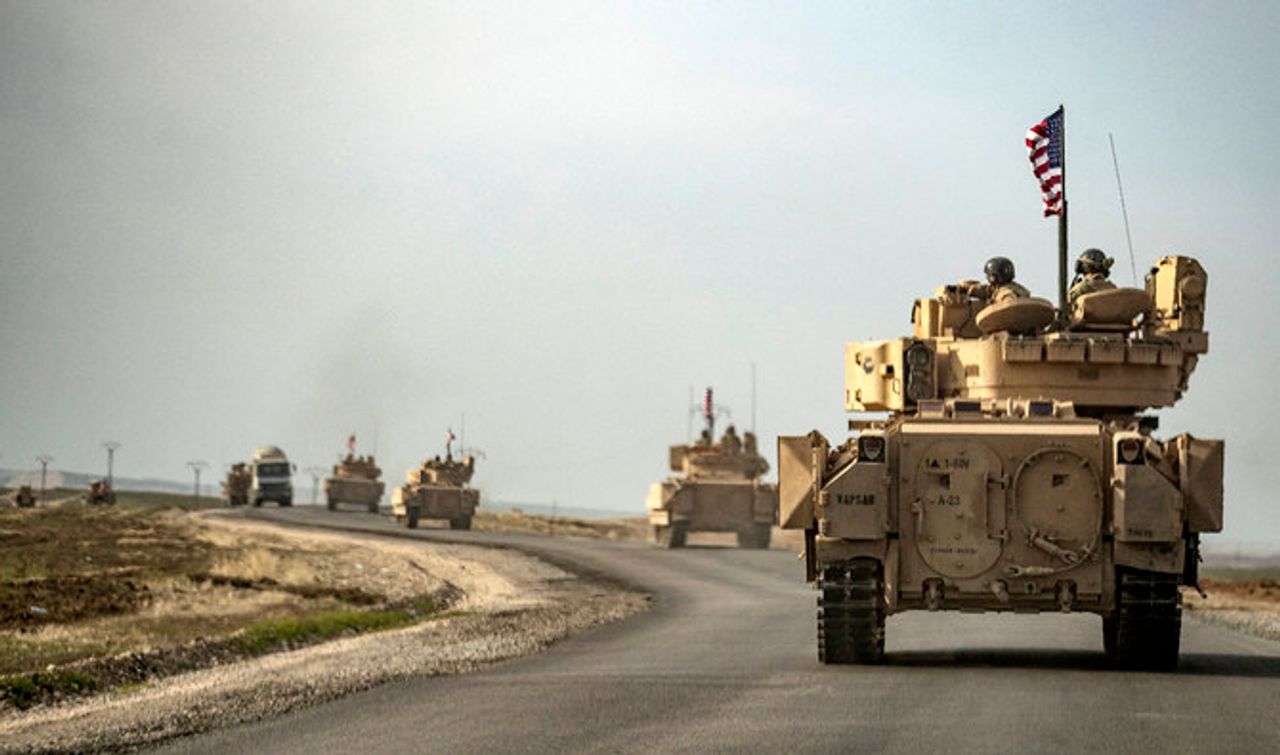
As the Middle East’s security challenges cross national boundaries with missile and drone attacks, threats to energy infrastructure, maritime insecurity and cyber warfare, a security network linking the strengths of all members can provide a better response.
In fact, each state could participate in the specific area it is good at without over-burdening itself and assuming identical defence obligations.
But at the end of the day, the greatest test will be implementation.
If the Mecca agreement can successfully develop interoperability and the infrastructure to act collectively, it could lay the first building block for a sustainable and holistic regional security architecture.
As the Mecca deal is supposed to complement, rather than overlap or replace, any pre-existing security agreements or ties, Ankara, Riyadh and Islamabad would be balancing their commitments within organisations such as the UN, NATO, OIC, SCO and other bilateral and multi-lateral arrangements.
Since the alliance is purely defensive in nature, it does not alter the commitments of the three signatory states vis-à-vis any pre-existing agreements with other countries.
For example, Riyadh recently signed a US-Saudi civil nuclear cooperation agreement with Washington, though some of the terms remain under discussion.
The kingdom also has an exclusive defence pact with Pakistan under the Strategic Mutual Defence Agreement (SMDA) since September last year, which also considers aggression against either country an aggression against both.
On the other hand, Ankara is a member of the North Atlantic Treaty Organization (NATO), operating within an established transatlantic security framework. In tandem, Türkiye has maintained strategic ties with Pakistan for decades.
Recently, Islamabad and Ankara joined a Saudi-led 14-member multinational maritime defence coalition, which is completely separate from the Mecca agreement, aimed at protecting its shipping and energy trade routes from Houthi attacks in the Red Sea.
However, their inclusion in this coalition aligns with the operational cooperation that may hypothetically be required under the Mecca agreement.
Türkiye as a bridge
For Türkiye, the agreement is particularly significant because it reinforces Ankara's image as a security actor whose influence increasingly extends beyond its immediate neighbourhood.
By deepening its military partnership with Pakistan and then Saudi Arabia, Ankara’s successful foreign policy resulted in the Mecca Alliance we see today.
Türkiye-Pakistan defence ties have deep roots. The Pak-Turk Military Consultative Group (MSG) was established in 1988, while the first high-level military talks took place in 2003, and Türkiye became Pakistan’s biggest arms supplier after China in 2018.
Meanwhile, the Turkish-Saudi Coordination Council was established during the official visit of King Salman of Saudi Arabia to Türkiye in 2016, and the first meeting was held in 2017.
Though it is part of Europe's security network through NATO, Türkiye maintains extensive diplomatic, economic, and defence ties across the Middle East, Central Asia, Africa, and South Asia.
And now, the Mecca agreement gives Türkiye the chance to act as a bridge between the Gulf and South Asia.
Even as states in the region increasingly diversify security ties, working in parallel with its NATO commitments, Ankara could operate across different regional theatres without remaining restricted within a single geopolitical bloc.