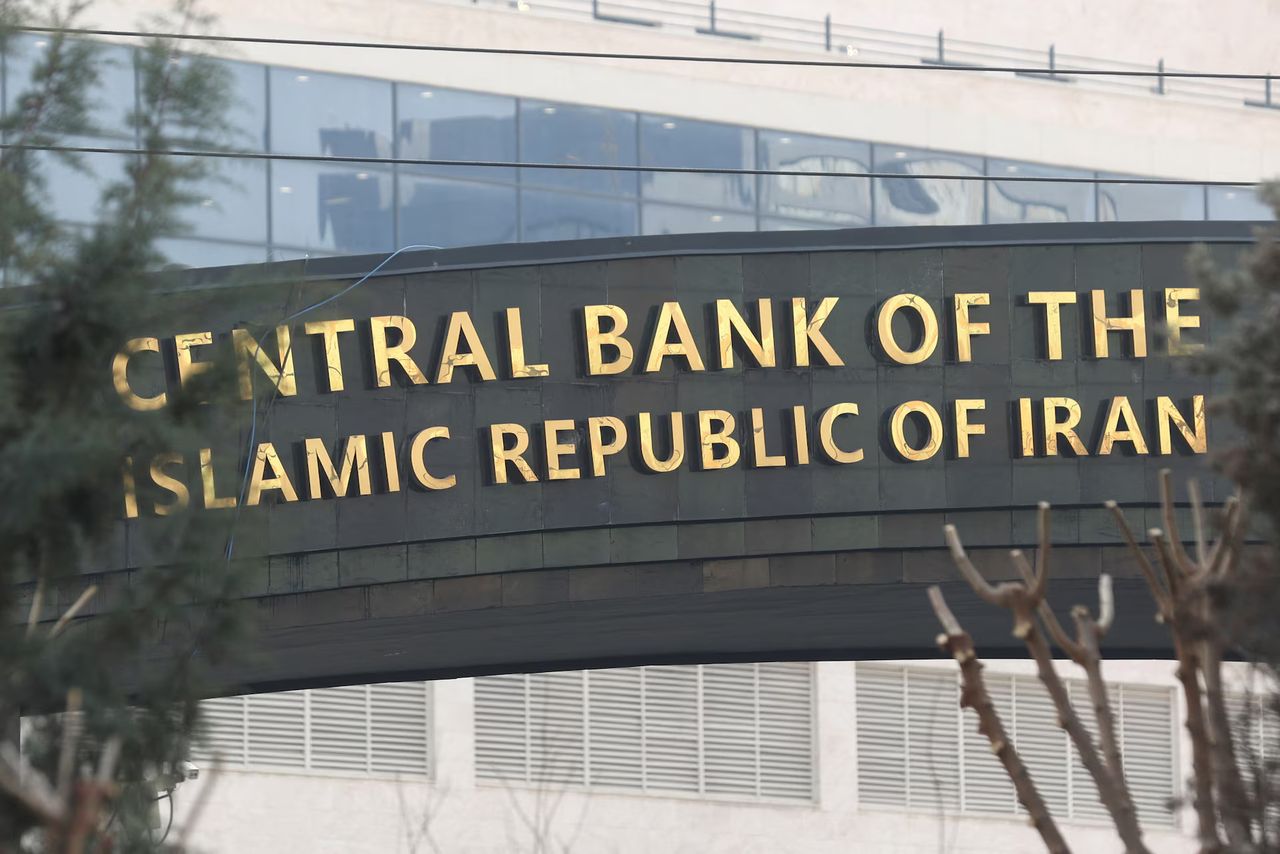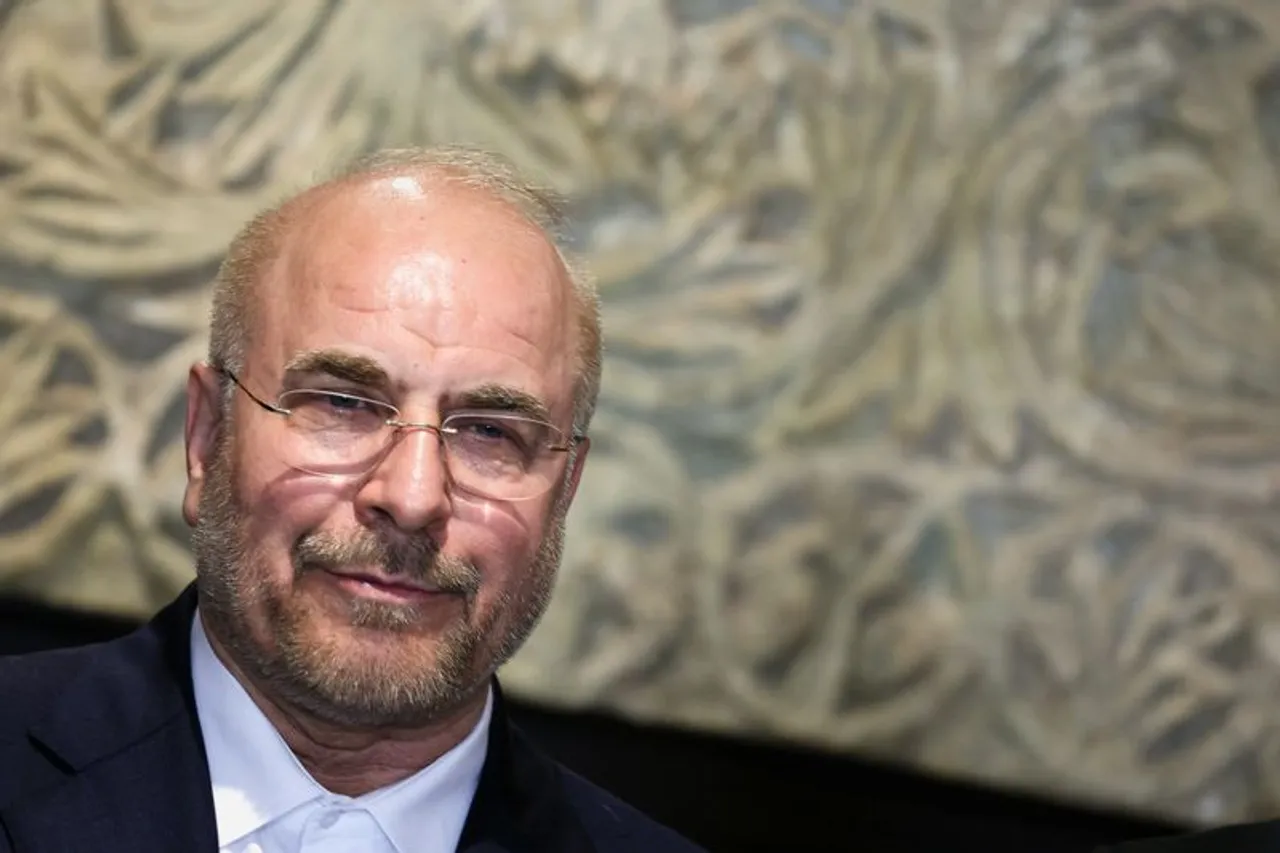
Iran's top negotiator, Mohammad Bagher Ghalibaf, has said that the United States' claims that Iran will spend its unfrozen assets to buy US agricultural products were false.
"The US only exports GMO soybeans, broken promises and trash talks," Ghalibaf said in a post on X on Thursday.
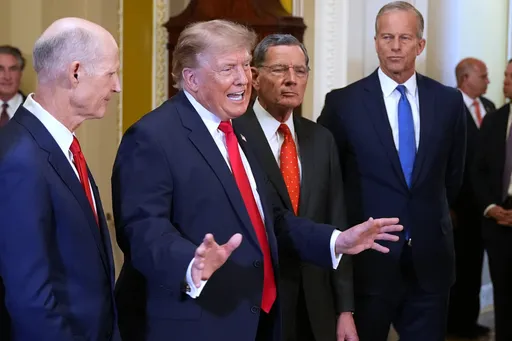
His remarks came after US Treasury Secretary Scott Bessent echoed President Donald Trump’s claim that a large share of Iran’s unfrozen assets would be used to buy US food and medicine.
Iran has insisted that it alone will decide how to spend its assets once they are released under a US-Iranian deal aimed at ending the Middle East war.
As part of the deal under negotiation, Washington has agreed to release $12 billion in frozen Iranian funds and temporarily suspend sanctions on Tehran’s oil exports, Iranian state media reported on Tuesday.
US Vice President JD Vance said on Monday that the assets had not yet been unfrozen. But he said that, if released, the funds would not be allowed “to finance terrorism” and could instead be used to buy US goods, including soybeans.
‘Very interesting solution’
Vance said that US President Donald Trump's son-in-law and senior adviser Jared Kushner, along with Qatar, a co-mediator in the talks, had come up with "a very interesting solution" to ensure those funds were not misused.
"If there are any frozen Iranian assets that are unfrozen, then we have approval over that process; the Qataris have approval over that process," Vance said.
Ali Bahreini, Iran’s ambassador to the United Nations in Geneva, rejected that assertion, saying Tehran would retain sole authority over how its assets were used.
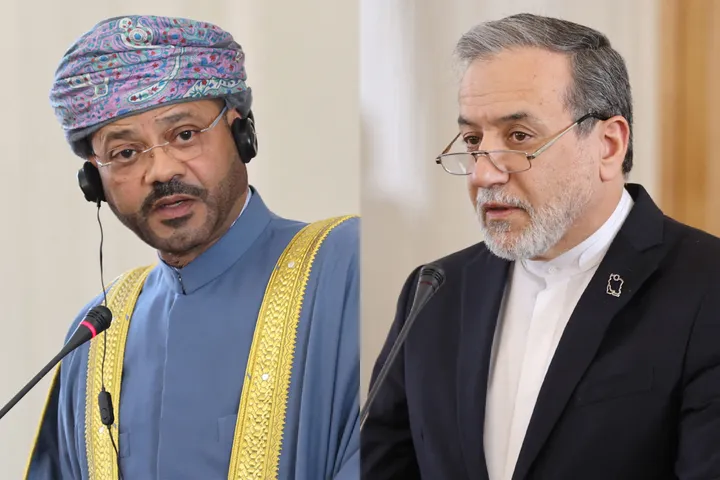
"Iran is the only country that will decide what to do with its assets, which are going to be unfrozen," he told reporters in Geneva. "So I reject any claim that there would be any role for any other country to have an influence over those decisions or the process."
‘Some parts of those assets are in Qatar’
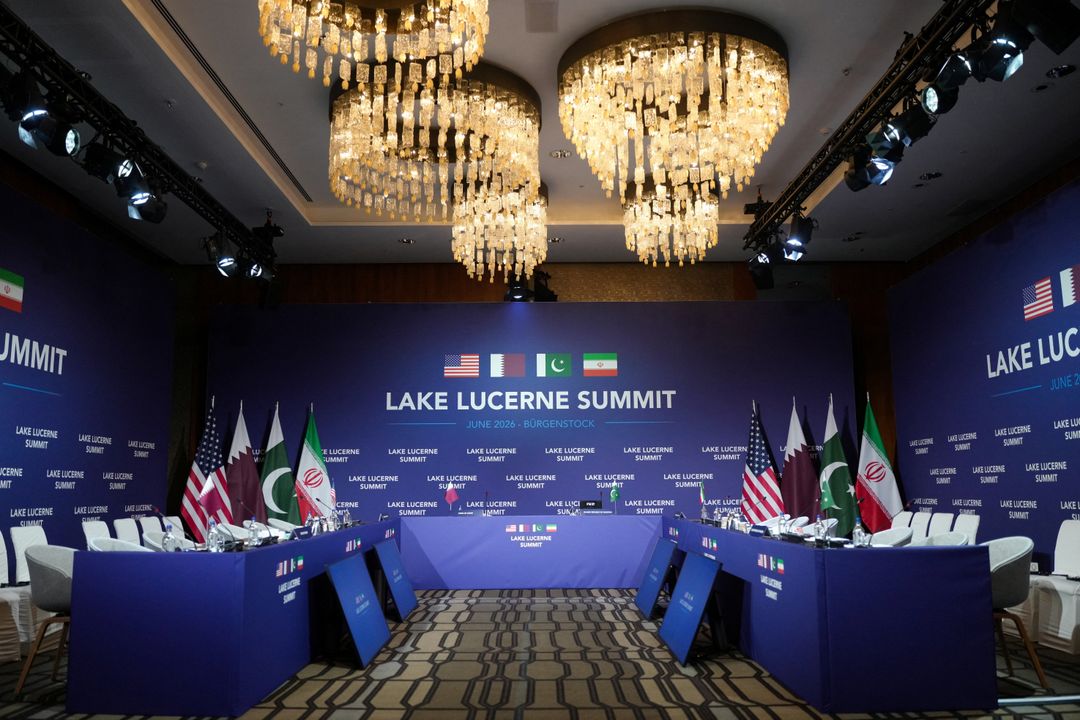
Bahreini, who was part of the Iranian delegation at US-Iranian talks in Burgenstock, Switzerland, on Sunday, said the assets would be released “very soon”.
He acknowledged that "there are some technical arrangements which should be made by the US and by Qatar, because the assets have been frozen by the US, and at least some parts of those assets are in Qatar".
"Definitely, there is a role for them, but that role is limited to these technical aspects of unfreezing of assets," he said.
Iran has been subject to asset freezes and sweeping sanctions by the United States and others for much of its history since the 1979 Iranian revolution.
The issue of unfreezing assets is part of a memorandum of understanding signed last week by Tehran and Washington, laying the groundwork for 60 days of negotiations to settle broader issues, including Iran's nuclear programme and sanctions relief.