Iran has rebuilt a large portion of its oil and gas refining infrastructure damaged during US-Israeli attacks, with the country’s oil minister saying crude exports continued despite intense bombardment.
Oil Minister Mohsen Paknejad told the Oil Ministry’s Shana news platform on Friday that reconstruction began within days of the attacks and that much of the work has now been completed.
He said the progress is expected to become increasingly visible over the coming months, while Iran also plans to boost its gas production capacity.
Oil exports continued under heavy bombardment
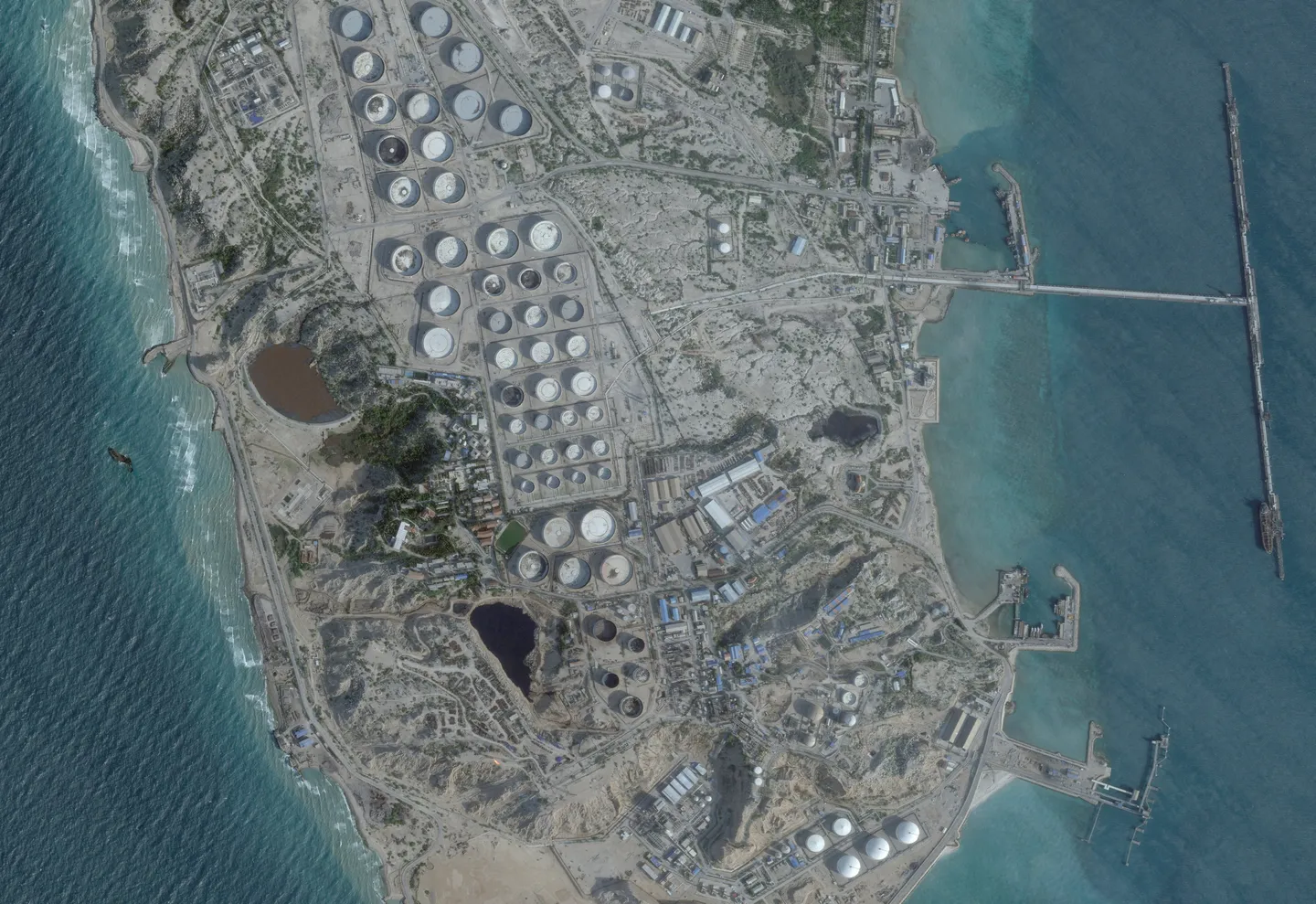
Paknejad said Iran’s main oil export hub on Kharg Island came under particularly intense attack during the conflict.
The island, which covers roughly 23 to 24 square kilometres, was struck more than 550 times, according to the minister.
Despite the attacks, workers continued loading crude oil onto tankers, he said.
“This island ... was subjected to more than 550 attacks, but our colleagues continued loading oil onto tankers even under bombardment,” Paknejad said.





Paknejad said reconstruction at damaged refineries began by clearing debris, with the process starting roughly two to three days after the attacks.
“A large portion of the reconstruction work has been completed,” he said.
The minister did not provide a detailed estimate of the facilities’ remaining damage or specify the full production capacity restored so far.

Tehran targets higher gas production
Paknejad said Iran’s focus in the coming months would include further rebuilding and increasing gas production, with the impact of the repairs expected to become clearer over time.
The comments come amid continuing tensions surrounding Iran’s energy infrastructure and regional trade routes following the conflict.
US-Israeli attacks on Iran began February 28, prompting Iranian missile and drone strikes against Israel and US interests across the region.
Washington and Tehran signed a memorandum of understanding on June 18 concerning freedom of navigation through the Strait of Hormuz, a vital route for global energy shipments, but implementation has stalled over disagreements about security arrangements in the waterway.