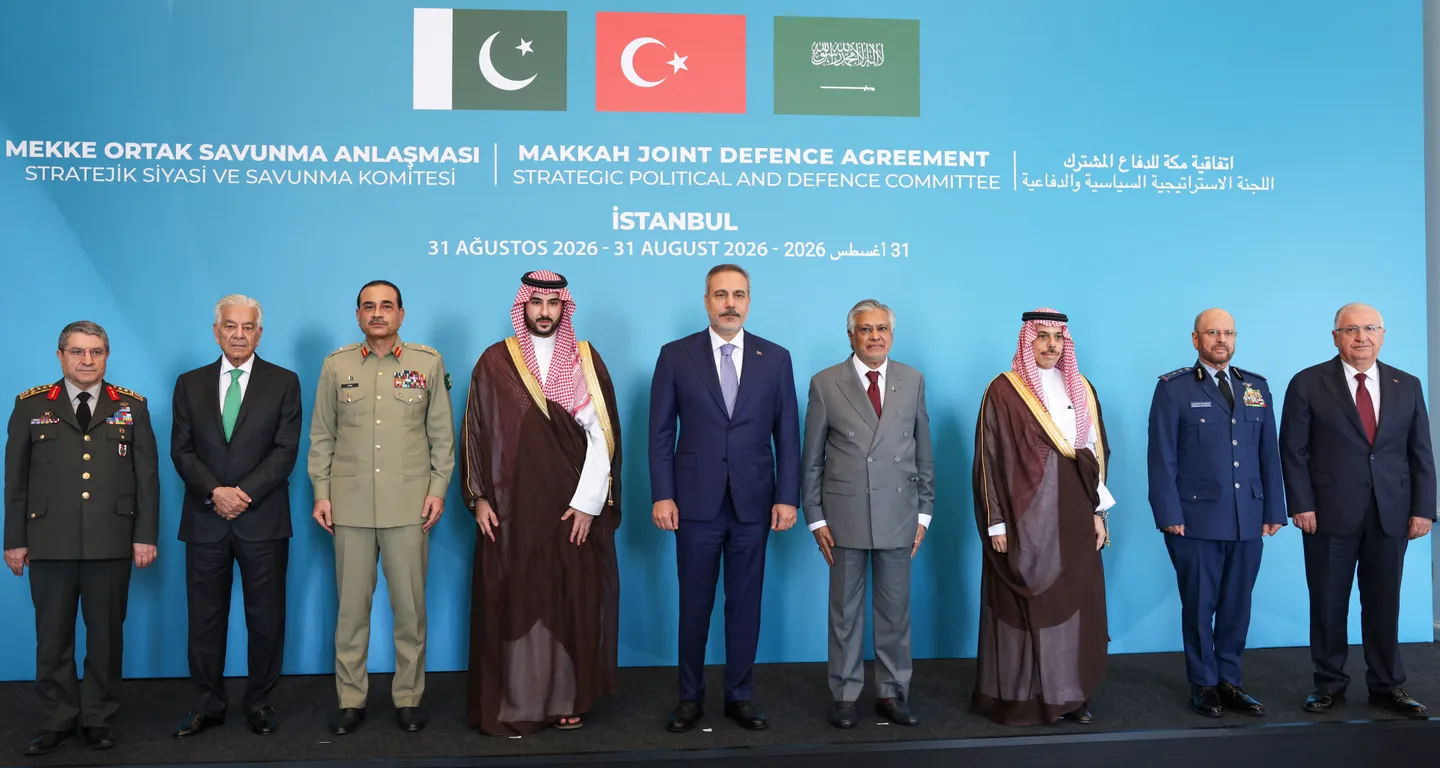
Pakistani Foreign Minister Ishaq Dar has said that the Strategic Political Defence Committee (SPDC) established under the joint defence pact (Mecca pact) between Pakistan, Türkiye and Saudi Arabia will meet “soon” in the Saudi capital Riyadh.
“Very soon, a meeting of the whole SPDC has been agreed to in principle to take place in Riyadh,” Dar said on Friday amid Houthi attacks on Saudi Arabia.
Later, according to the daily Dawn on Friday, he said that the meeting would take place “next week”.
Recalling his meeting with Iranians in New York last week, Dar said they had suggested in “good faith” that the Houthis should be engaged politically.
Both the Iranian president and foreign minister “wish” for the Houthi-Saudi conflict “to conclude", Dar said.
He said he “sensitised” the Iranian side about the trilateral pact signed in Mecca in August, adding that “as Muslims we have to honour it.”
Dar stressed, however, that any decision would be taken by all three members of the pact.
The Iranians “disassociate themselves from both Houthis as well as Iraqi militias," Dar said.
Dar said the committee has three members from each country: the foreign ministers, defence ministers and chiefs of General Staff.
The three military chiefs met in Riyadh on September 25 for a special meeting, while the foreign ministers met in New York on September 24.
Asked whether the Mecca pact would expand, Dar said, "At least more than six countries are keen to join the Mecca, which is defensive in nature.”
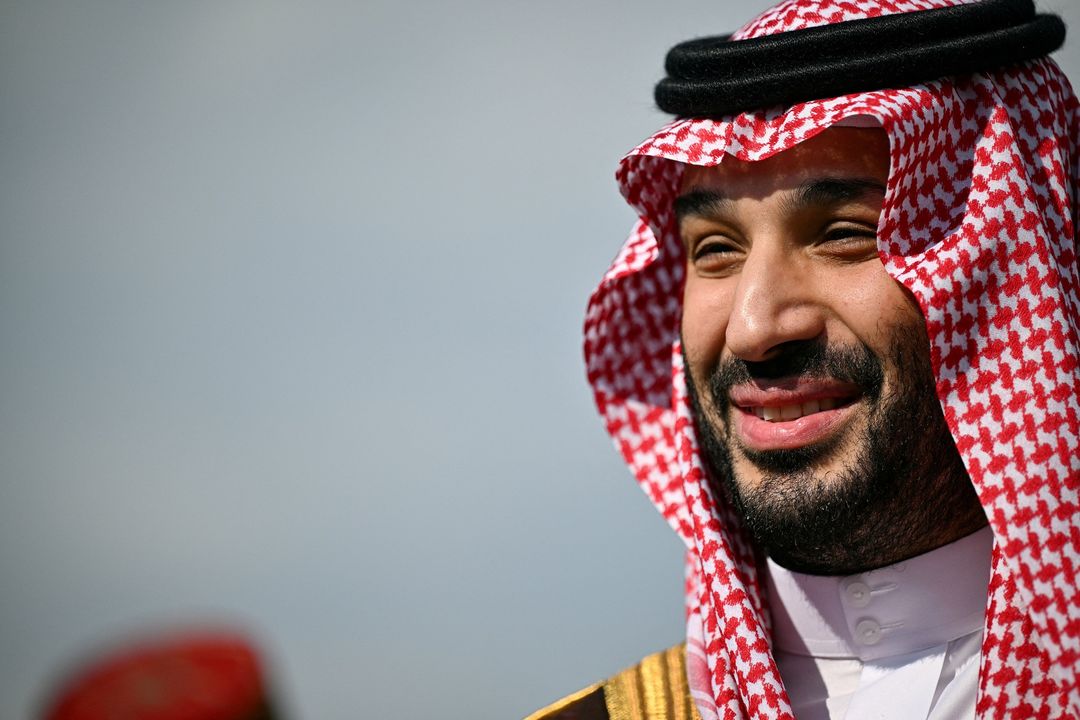
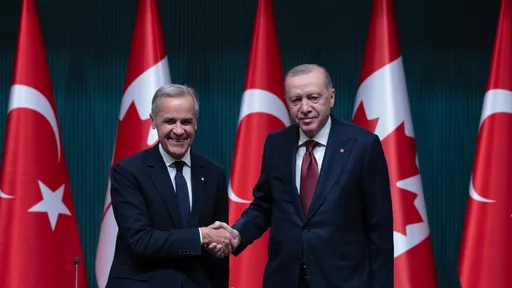
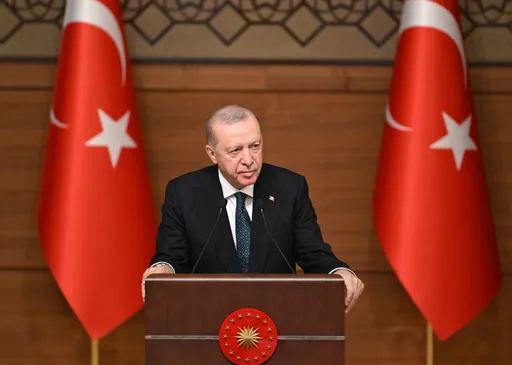
Turkish President Recep Tayyip Erdogan, Saudi Crown Prince Mohammed bin Salman and Pakistani Prime Minister Shehbaz Sharif signed the Mecca Joint Defence Agreement in August.
The agreement stipulates that an attack against any one of the signatory states will be considered an attack against all parties.
Houthi attacks
The Houthis claimed responsibility for other recent attacks in the kingdom, including strikes targeting Saudi Aramco facilities and military sites.
Saudi Arabia has also reported three Houthi attempts to target the holy cities of Mecca and Medina over the past nine years, including two incidents in September, drawing condemnation from Arab and Muslim countries.
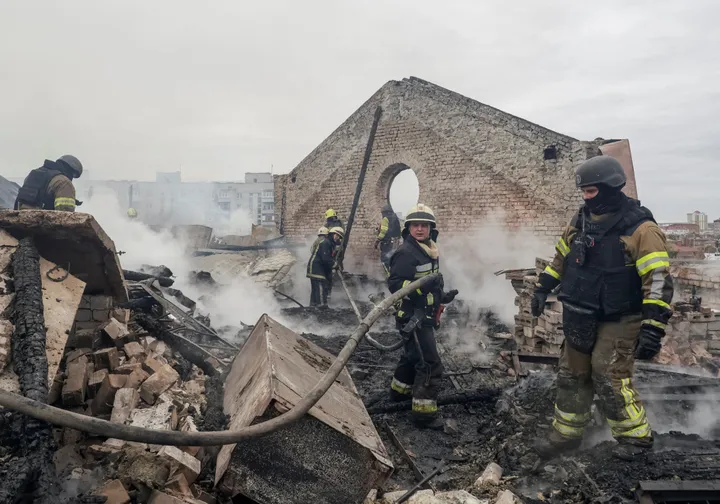



Confrontations between Yemen's internationally recognised government forces and the Houthis have escalated since early July following years of relative calm.
The country has been engulfed in war since the Houthis seized the capital Sanaa and several provinces in 2014, before a Saudi-led Arab coalition intervened in 2015 in support of the internationally recognised government.
The Houthis have been engaged in renewed fighting with government forces since Yemen's civil war reignited in July, when the group declared a maritime blockade on Riyadh and began targeting its ships in the Red Sea.
The group seized control of Yemen's Red Sea coast and the Bab al Mandab Strait last month, which has become vital as the wider US war with Iran chokes the Strait of Hormuz.