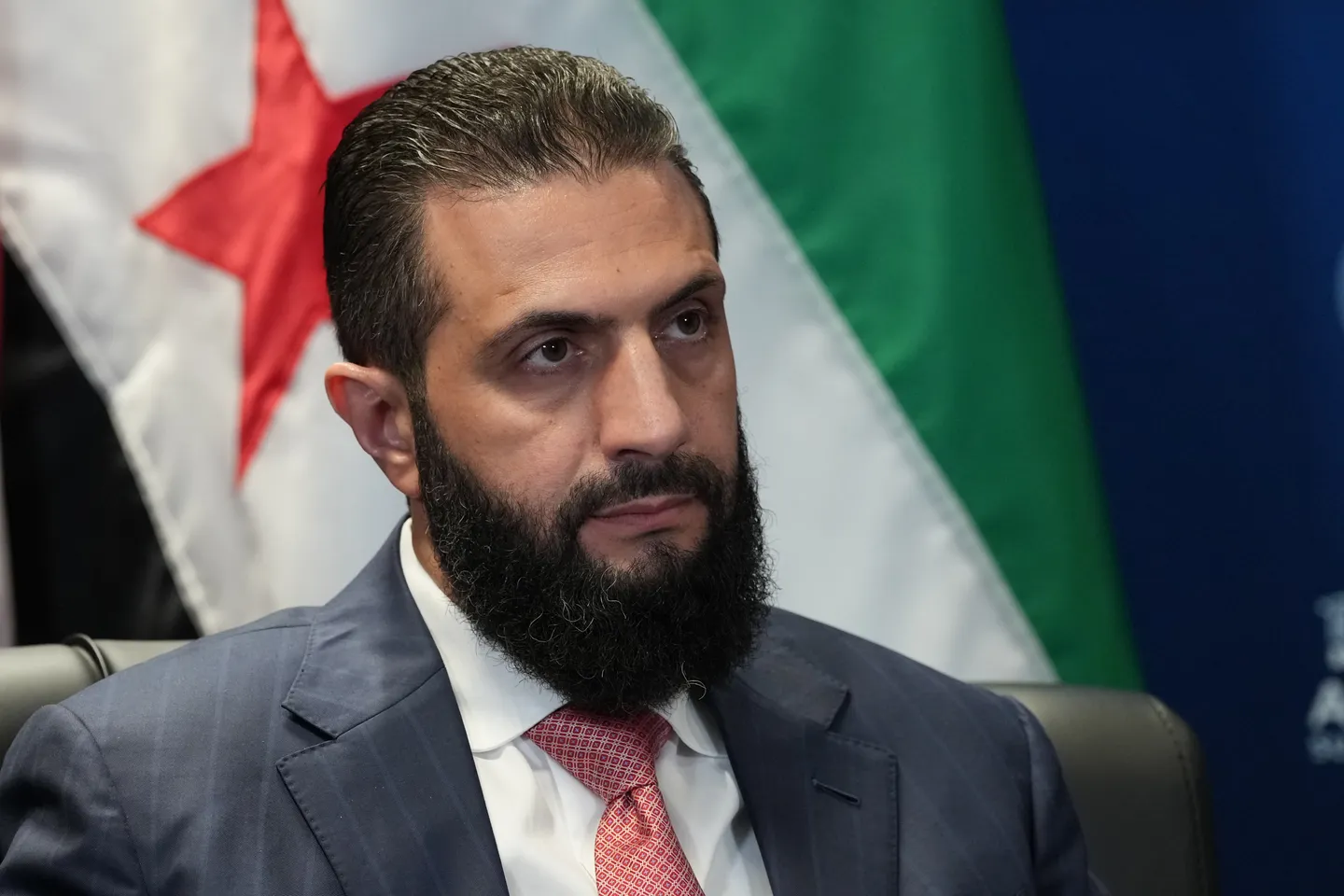
Syrian President Ahmad al-Sharaa has said his country does not intend to intervene militarily in Lebanon but is prepared to offer the Lebanese state several options to address its challenges.
"We are not considering military intervention, but Syria has several cards that it can offer the Lebanese state to use as it sees fit," al-Sharaa said in an interview with the Qatari Al Jazeera channel.
He said Damascus is discussing "a range of solutions" with the Lebanese government that could help bring the country to safety and allow it to benefit from Syria's current recovery.
Al-Sharaa voiced "deep" concern that turmoil inside Lebanon could "negatively" affect Syria.
"The continued presence of weapons outside the authority of the Lebanese state will have major negative consequences for the region," he said.
The president stressed Syria's support for the Lebanese state having exclusive authority over law enforcement, weapons and decisions of war and peace.
Praise for sanctions relief mediation
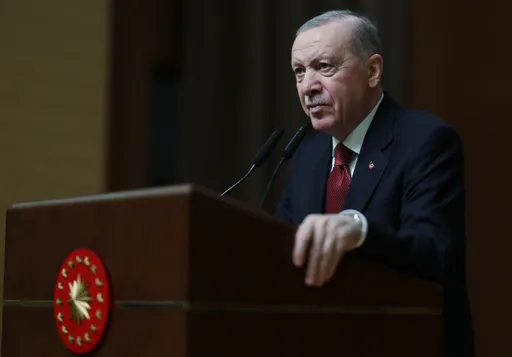
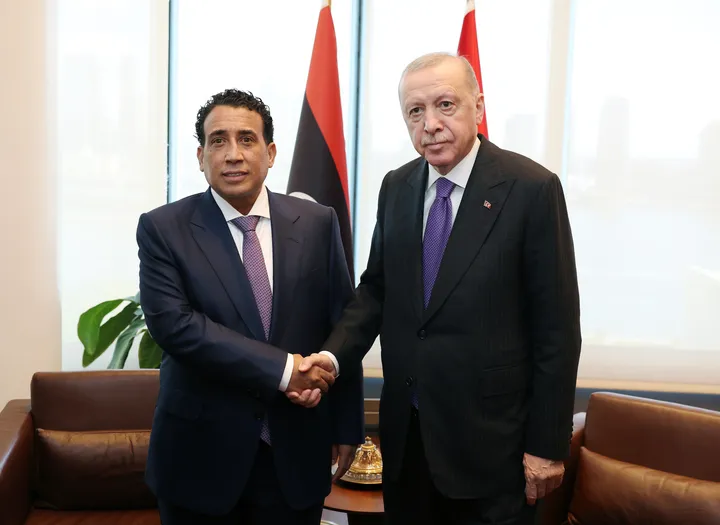
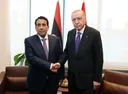
Al-Sharaa also hailed the role played by Turkish President Recep Tayyip Erdogan and Saudi Arabia in lifting US sanctions on Syria.
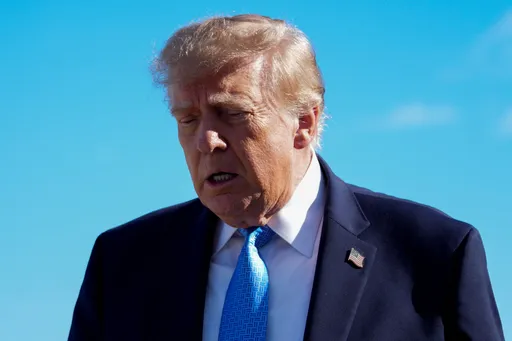
"His Excellency President Erdogan and Saudi Arabia mediated last year with US President Donald Trump to lift the sanctions on Syria," Sharaa said in the interview.
Last year, Washington issued Syria General License 25 and granted exemptions under the Caesar Act to facilitate investment supporting Syria's recovery.
Trump later signed an executive order lifting US sanctions on Syria.
Security agreements
On relations with Israel, al-Sharaa said Syria is working with several countries to reach a security agreement.
"If the security agreement with Israel succeeds, it will pave the way for comprehensive peace without relinquishing Syria’s right to the occupied Golan Heights," he said.
Regarding Moscow's military presence in Syria, al-Sharaa said discussions with Russia had not yet concluded.
He added that Syria and Russia share substantial interests and that Moscow had moved quickly to "open a new chapter" in relations with Damascus.
Turning to Iraq, the Syrian president said the two countries have significant mutual economic interests.
"Iraq needs many Syrian resources, and Syria also has needs.
Therefore, there are very substantial interests between the two countries that must be developed on sound foundations," he said.