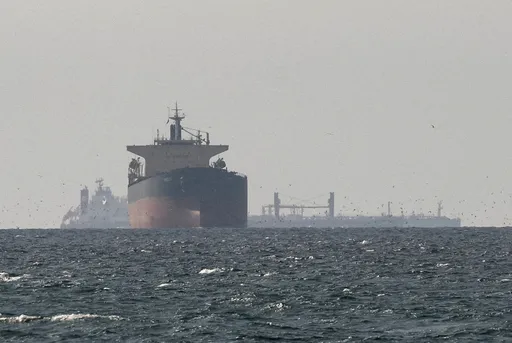
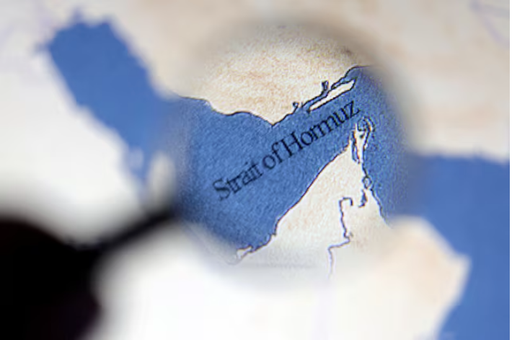
Shipping activity through the Strait of Hormuz remains ongoing despite the US naval blockade, but emerging data suggests some vessels are reconsidering their routes after entering the Gulf of Oman, which connects the strait with the Arabian Sea.
At least one Chinese-linked tanker appears to have reversed course.
Around 15 ships passed through the strategic waterway in the last 24 hours as of 0900GMT, with 10 of them exiting the strait, Anadolu reported, citing ship traffic information.
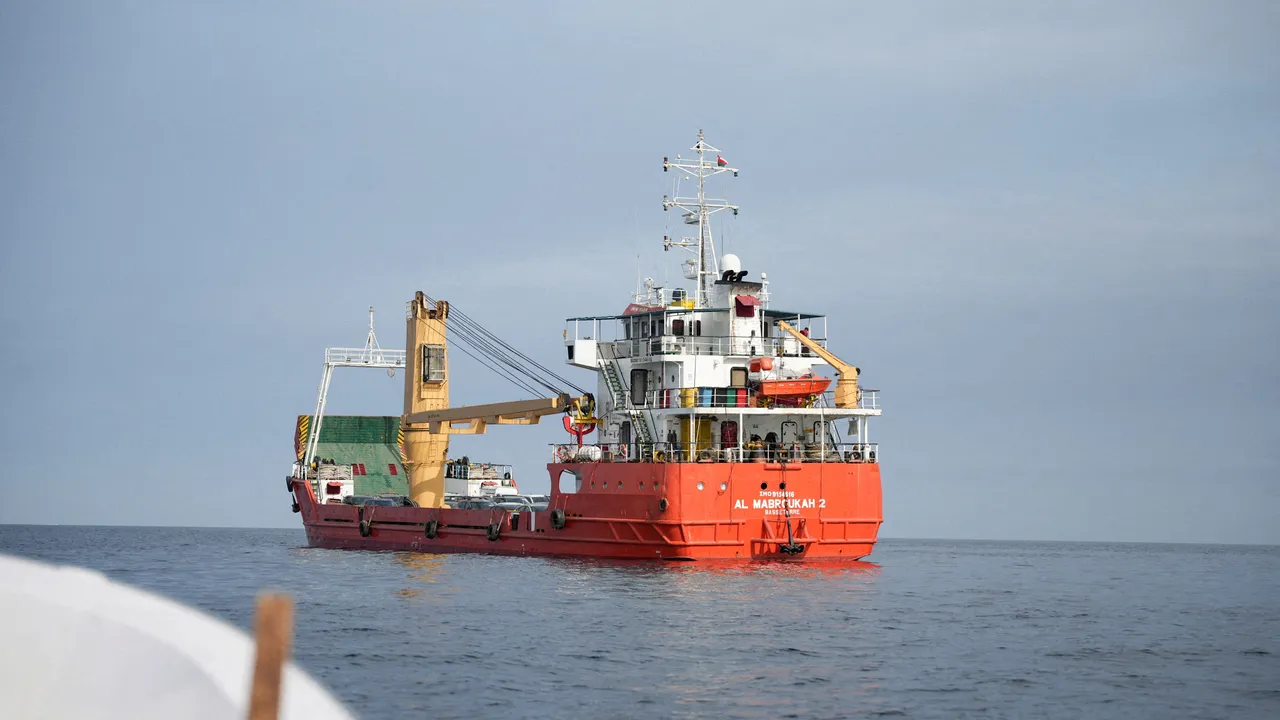
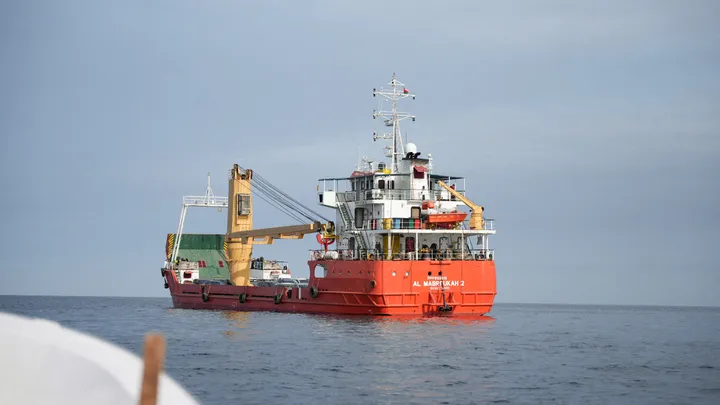
Among the vessels that entered the Gulf via the strait were the LPG/chemical tanker Panama-owned Galaxy Gas, Iranian container vessels Daisy and Rayen, Emirati tanker Oceana Kai, Panamanian Serenity IX, Liberian tanker Alica, Chinese-owned tanker Rich Starry, Greek crude oil tanker Agios Fanourios, Brazilian bulk carrier Rosalina, and Indian-flagged cargo vessel Al Nazir.
The Rich Starry passed through the strait into the Gulf of Oman early on Tuesday, but then turned back to the strait due to the US blockade.
The Daisy departed from India for Iran, while the Rayen sailed from China to Iran.
The Serenity IX's route was from Malaysia to the UAE, while the Oceana Kai was hovering between two ports in the United Arab Emirates.
The Alica was sailing from China, but its destination remained unknown.
The Agios Fanourios departed from India for Iraq, while the Rosalina sailed from Brazil to Iran and the Al Nazir was sailing from Oman to the UAE.



The Iranian cargo vessels Moshtari 10 and Kashan, Marshall Islands-based cargo vessel Blue Sky 4, Iranian container ship Golbon, Saudi Aramco-operated MSV Al Safah, and Greek-based bulk carrier Seachampion passed through the strait to the Gulf of Oman.
The Moshtari 10, Blue Sky 4, and Golbon were sailing between Iranian ports, the Kashan was sailing from Libya to Iran, and the Al Safah departed from the UAE.
The Seachampion, departing from Iran, sailed to the UAE.
Data from MarineTraffic showed that US-sanctioned vessels also went through the strait.
The Daisy, Rayen, Oceana Kai, Alica, Rich Starry, Kashan, and Golbon were on the US sanctions list related to Iran, and the Serenity IX was also on the list related to Venezuela.
US naval forces reportedly established the blockade along a line between Gwadar Bay, along the Iran-Pakistan border, and Oman’s Ras al Hadd, where heavy vessel traffic has persisted since the operation began.
US Central Command said on Tuesday that more than 10,000 US sailors, marines and airmen along with over a dozen warships and dozens of aircraft are executing the mission to blockade ships entering and departing Iranian ports.
"During the first 24 hours, no ships made it past the U.S. blockade and 6 merchant vessels complied with direction from U.S. forces to turn around to re-enter an Iranian port on the Gulf of Oman," it added.