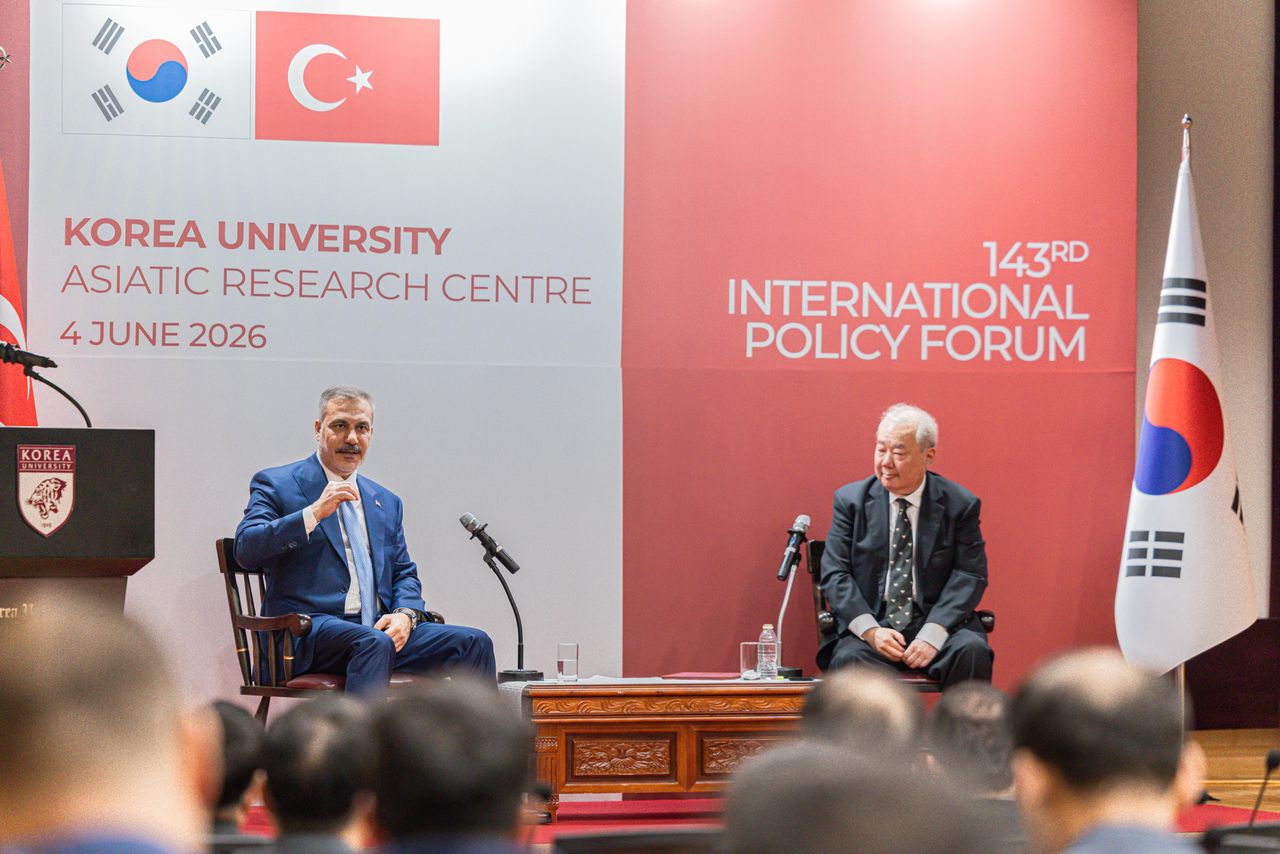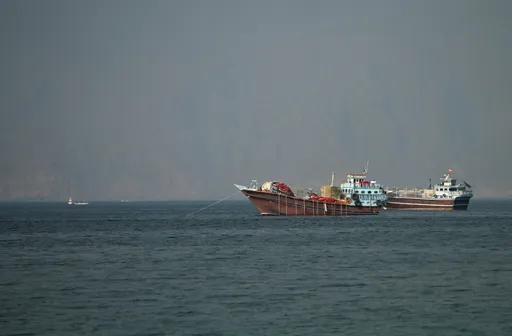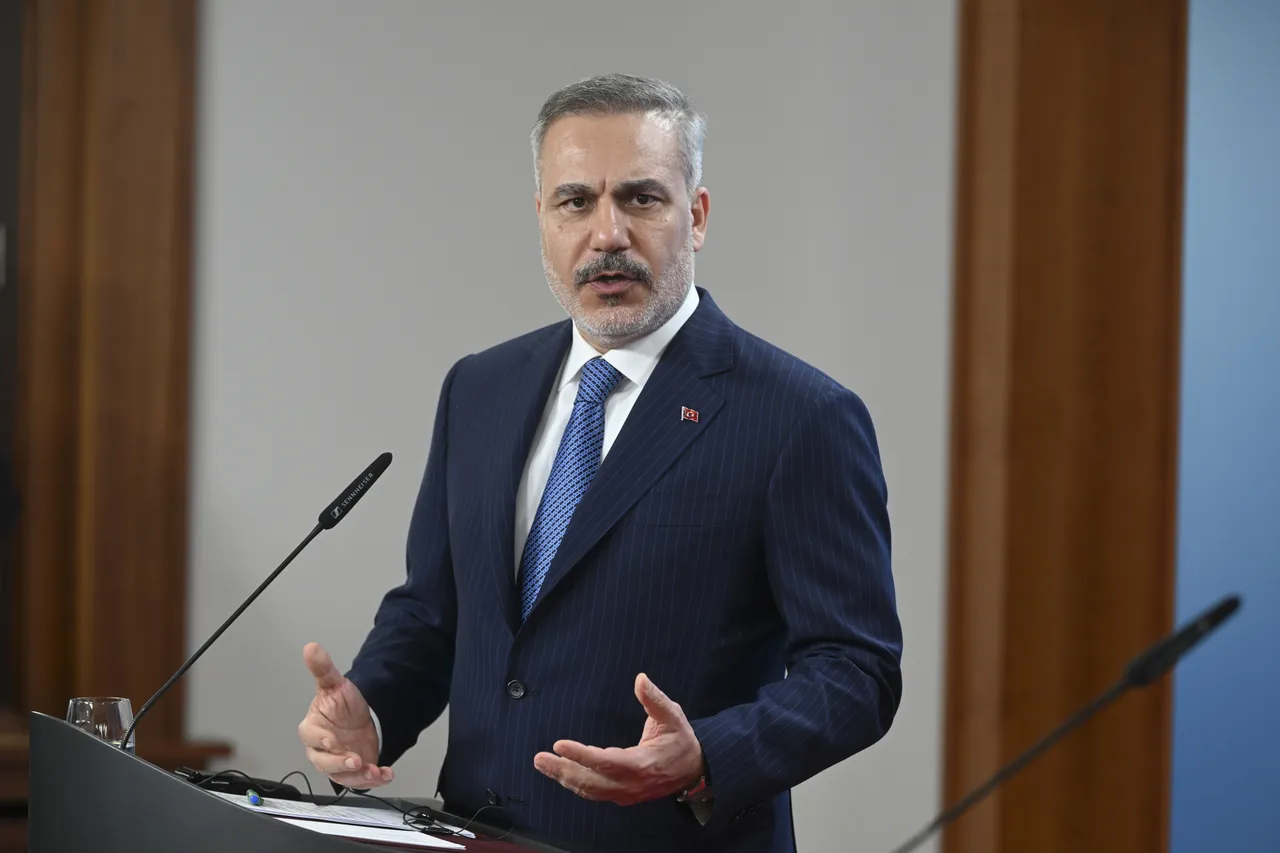
Turkish Foreign Minister Hakan Fidan has said Türkiye would be willing to contribute to mine-clearing efforts in the Strait of Hormuz if requested by the parties involved, saying he remains optimistic about progress in US-Iran negotiations.
"If an agreement is reached between the parties, or if we are asked to contribute to the mine-clearing process, we would be pleased to do so," Fidan said in an interview with South Korean broadcaster JTBC during his visit to South Korea.
He said Türkiye follows a consistent principle in conflict resolution, including during the Russia-Ukraine war.
When the warring parties agree on a solution, and when we believe we can be part of that solution or are asked to facilitate it, we are ready to help," he said.
Fidan said he remains optimistic about ending the conflict, noting both the US and Iran want de-escalation.
Asked about US President Donald Trump’s statement that a memorandum of understanding with Iran could be signed within a week, Fidan said he remained cautiously optimistic.
"I am optimistic because I am in regular consultations with both sides, with the mediator Pakistan, and with some other relevant actors in the region.
"We are trying to do our best to help them reach an understanding and an agreement," he said.
He said technical details remain unresolved, but added that both sides have broadly agreed on the draft framework.
"I hope we will receive good news very soon," he said.
‘Above the nuclear file’
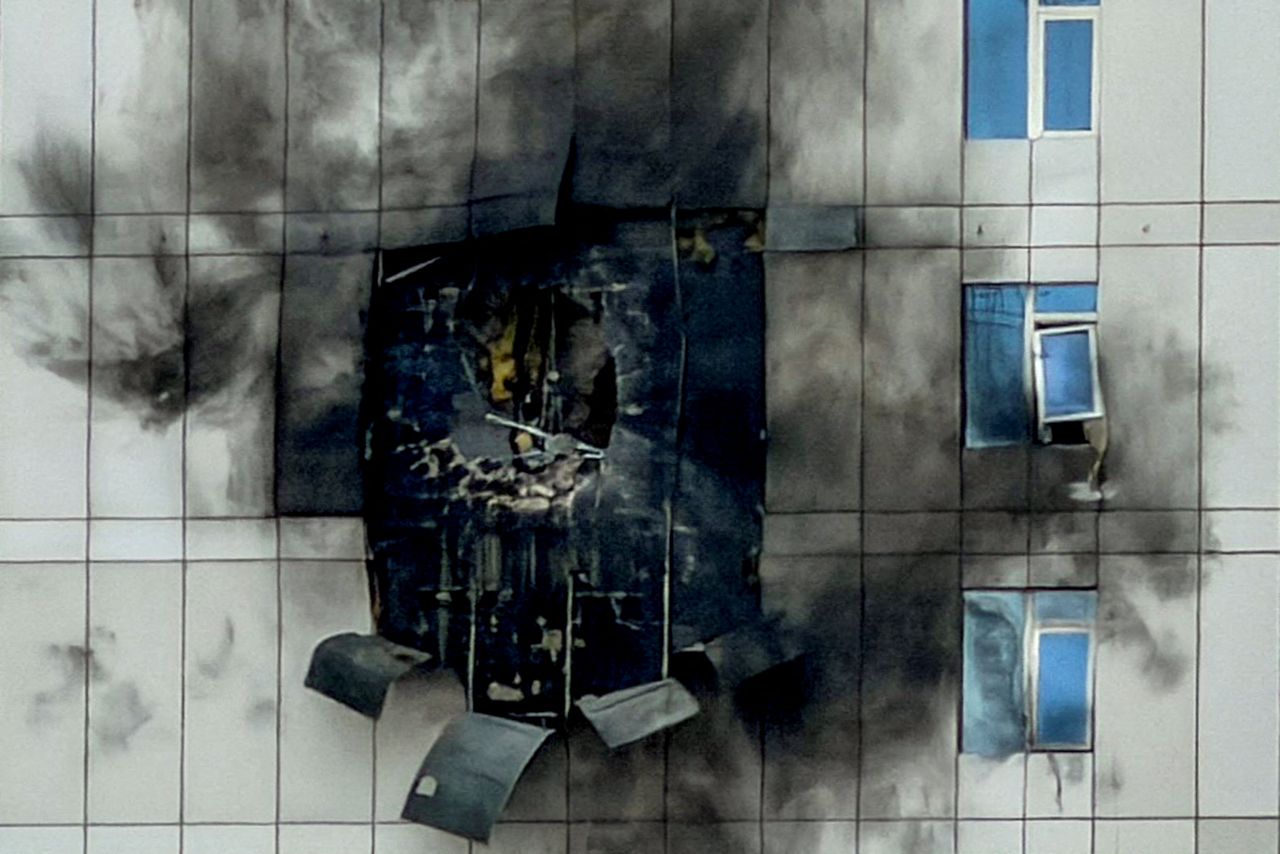
Fidan said the Strait of Hormuz issue has become more urgent than the nuclear file due to its global economic and humanitarian impact.
"Due to the current situation, for the first time another issue has become more urgent and has risen above the nuclear file in importance: the condition of the Strait of Hormuz," he said.
He warned that prolonged closure could trigger food shortages in parts of Africa and wider global disruption.
Fidan said both Washington and Tehran want to prioritise reopening the strait before broader negotiations.
The minister said a third party is obstructing negotiations, naming Israel, and urged international pressure on Israel to support diplomacy.
"Israel currently believes that any agreement between the US and Iran in its present form would not serve Israeli interests.
"Therefore, they are doing everything they can to derail or sabotage the negotiations."
Fidan said one of the strongest diplomatic tools available to the international community was demonstrated during last year’s UN General Assembly vote on full membership for a Palestinian state, when 157 countries voted in favour.

He said the overwhelming international opposition to what he described as genocide in Gaza should be used as leverage to pressure Israel.
"If the EU, the UN, other regional and international organisations and communities, and nation-states can come together and convey the same message to Israel - and act if Israel fails to respond - I believe we would have a 100 percent chance of success," he said.
He warned that Israel’s regional policies pose global risks beyond the Middle East, including energy security and migration.
"Israel's conduct in the region, and the resulting expansionist and occupation policies that generate wars and displace populations, create major risks not only for the region but for the entire world, as we have seen in the attack against Iran," the minister said.
‘This is an illusion’
Fidan said Israel considers itself immune due to historical reasons, adding, "They see themselves as exceptional. I think this is an illusion."
"Whoever commits genocide, we should condemn them, identify them and shame them," he said.
The minister urged Israel to halt civilian deaths, lift restrictions on Gaza, and end occupations.
Fidan said US presidents typically attend NATO summits and expects Donald Trump to do so in Ankara on July 7-8.
He said the post-World War II system no longer reflects current realities.
"The system we inherited does not allow us to properly address our problems," he said, stressing the need for reviewing the current system.
He called for reform of the international order, warning that failure of cooperation would be a “great betrayal of humanity."
Türkiye, South Korea relations
Fidan said Türkiye and South Korea are discussing cooperation on the Sinop Nuclear Power Plant, recalling earlier talks with Korea Electric Power Corporation (KEPCO) in 2008-2009.
He expressed hope that the project could proceed with South Korean technology.
Fidan highlighted Türkiye-South Korea ties since the Korean War and said cooperation has deepened under a strategic partnership since 2012.
He said trade, defence, and technology cooperation are advancing steadily.
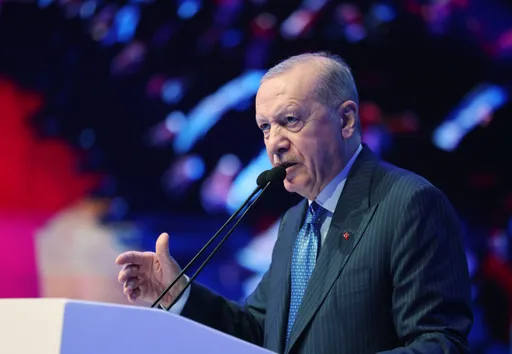
Fidan noted that Turkish President Recep Tayyip Erdogan has attached great importance to cooperation with South Korea at all levels over the past 24 years and recalled that the two countries have maintained regular high-level exchanges.