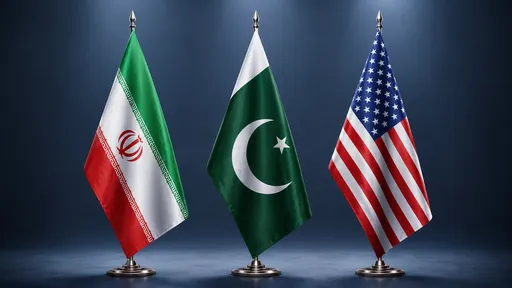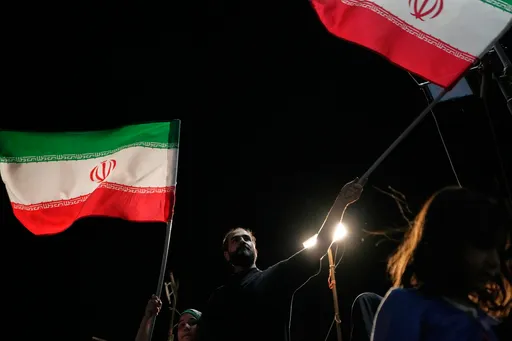
The US has announced that ships will move toll-free through the Strait of Hormuz under an Iran peace deal and has insisted that Tehran must fulfil its commitments before receiving any economic benefits.
They included a possible $300 billion reconstruction fund for the war-battered country, but the release of funds will be "tied to performance," a senior Trump administration official said in a call with reporters.
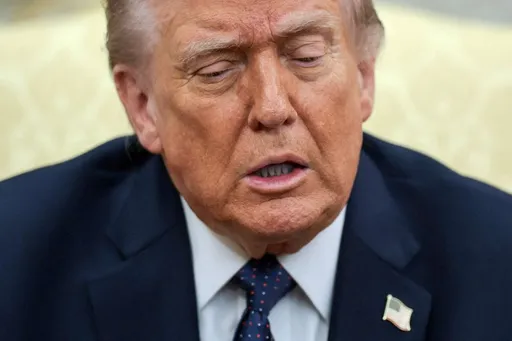
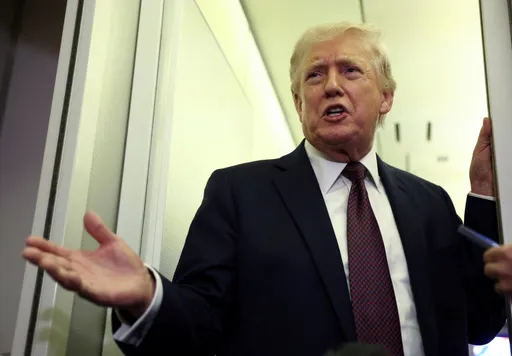
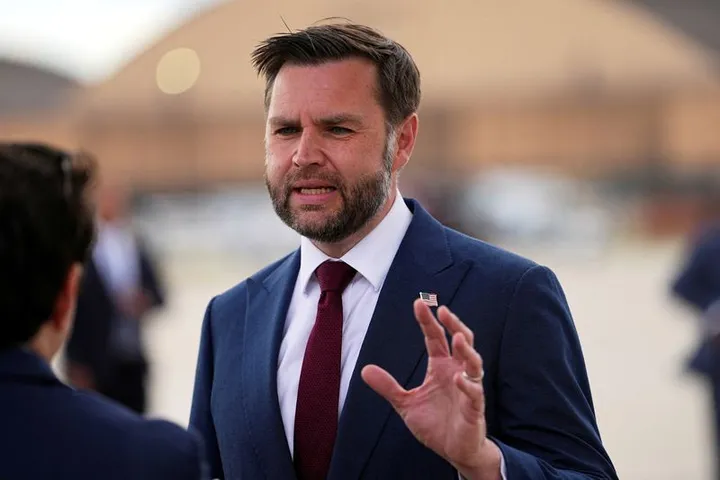
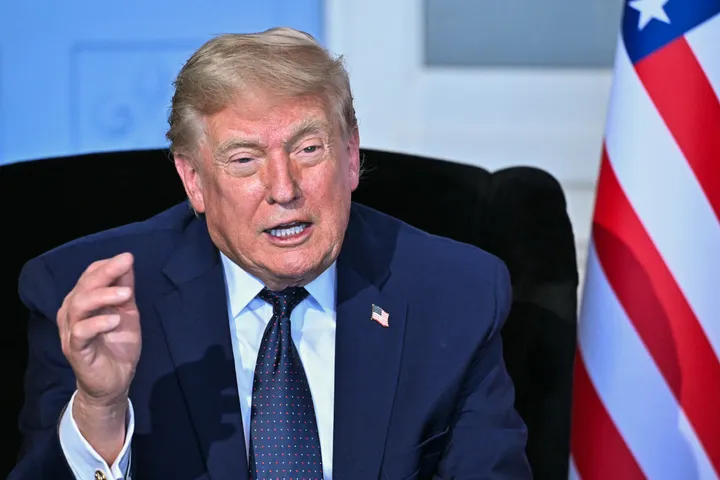
Trump, US Vice President JD Vance and Iranian parliament speaker Mohammad Bagher Ghalibaf electronically signed the memorandum of understanding (MoU) on Sunday, the officials said.
"The president wanted to sign it personally because he wanted to show his dedication to the process," one of the US officials said on condition of anonymity.
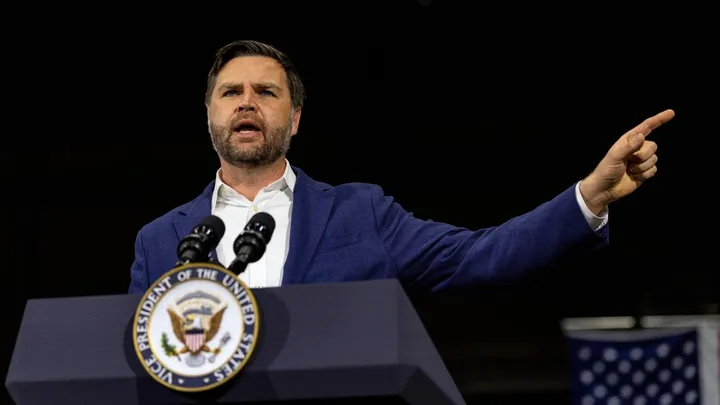
"The MoU is about a page and a half, so it is a very general document," Vance told CNN.
Vance will lead talks this week and attend a physical signing ceremony expected in Geneva, Switzerland.
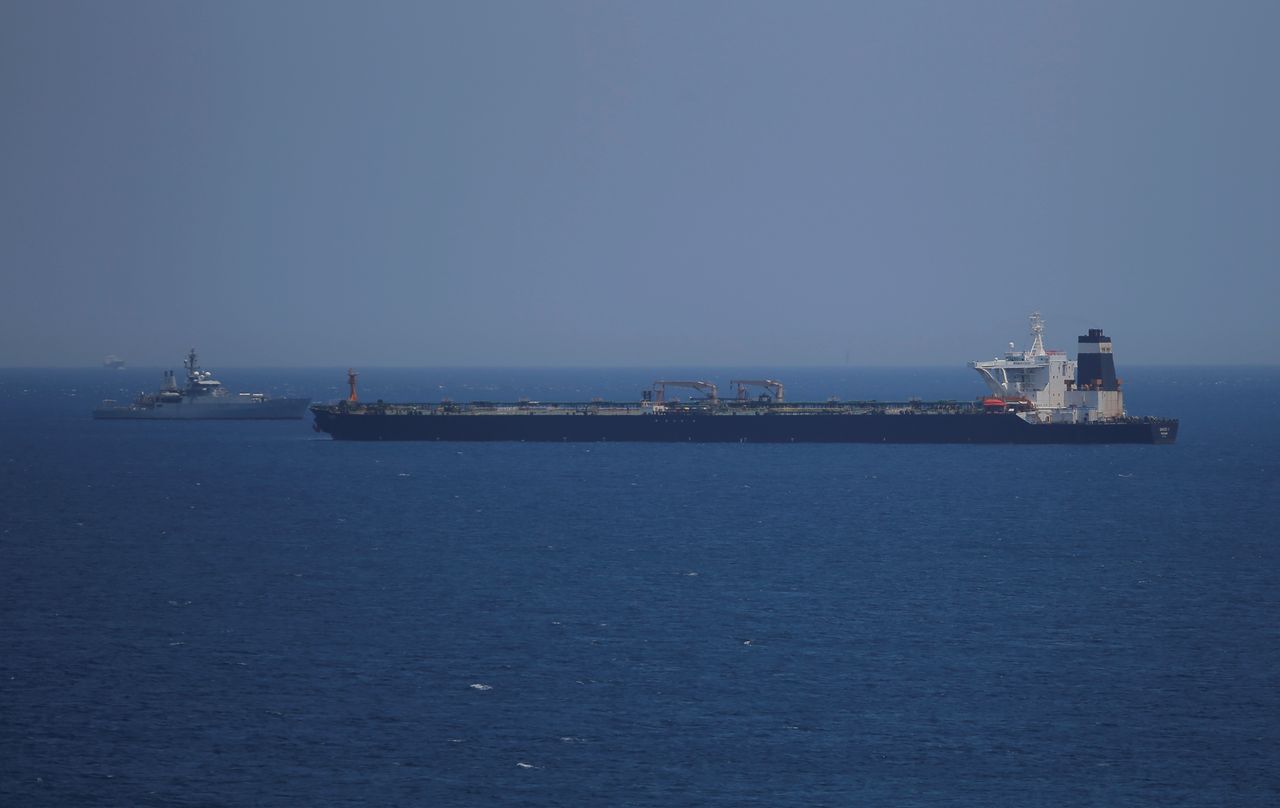
Hormuz to normalise


The signing will kick off a 60-day period in which Iran and the United States will try to hammer out a full-scale peace deal.
"We want to put the nuclear discussions up front," a US official said on the call.
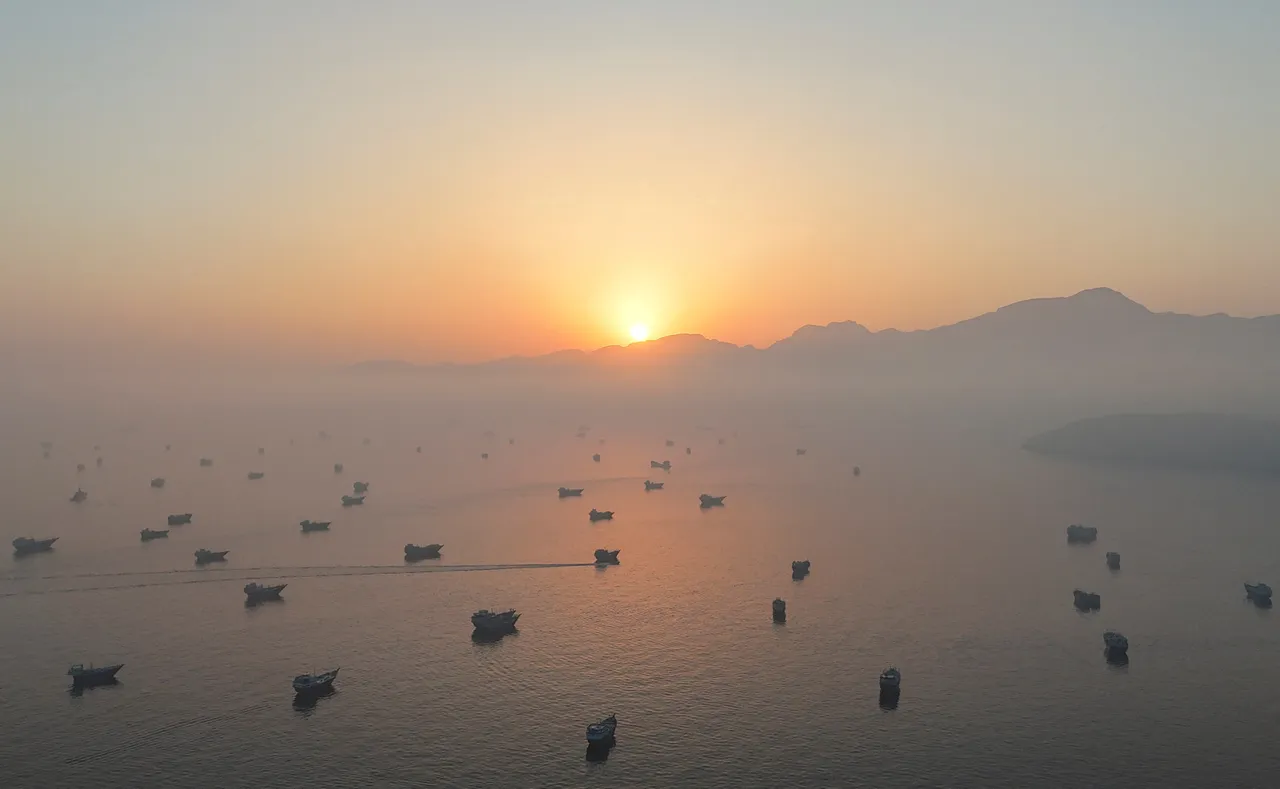
But the bottleneck in the Strait of Hormuz is an immediate priority due to the global economic effects from the spike in oil prices.
Vance told CNBC there was an understanding with Iran that the strait would reopen "in a toll-free way for the long term, and that's the sort of thing that we're going to figure out in these technical negotiations."
Trump himself said the critical strait would be "completely open" from Friday, but added there was still "hunting" going on to ensure it was de-mined.
Shipping traffic should return to pre-war levels "over the next couple of weeks," but there had already been a "substantial increase in traffic," the first US official said.
However, Iran's foreign ministry said Monday that the deal would allow it to charge maritime service fees on ships transiting the Strait of Hormuz, rather than imposing "tolls."