 Zeynep Conkar
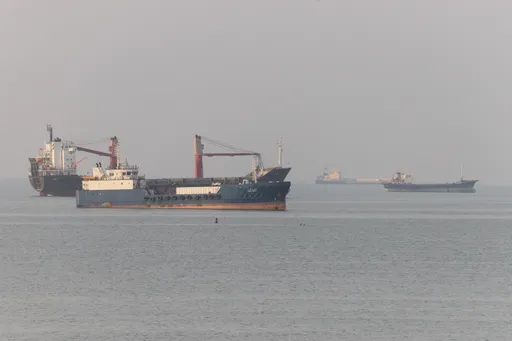
Israeli naval forces raided a humanitarian flotilla of 22 boats in international waters last week, illegally seizing 180 activists who were attempting to defy Israel's blockade and deliver humanitarian aid to Gaza.
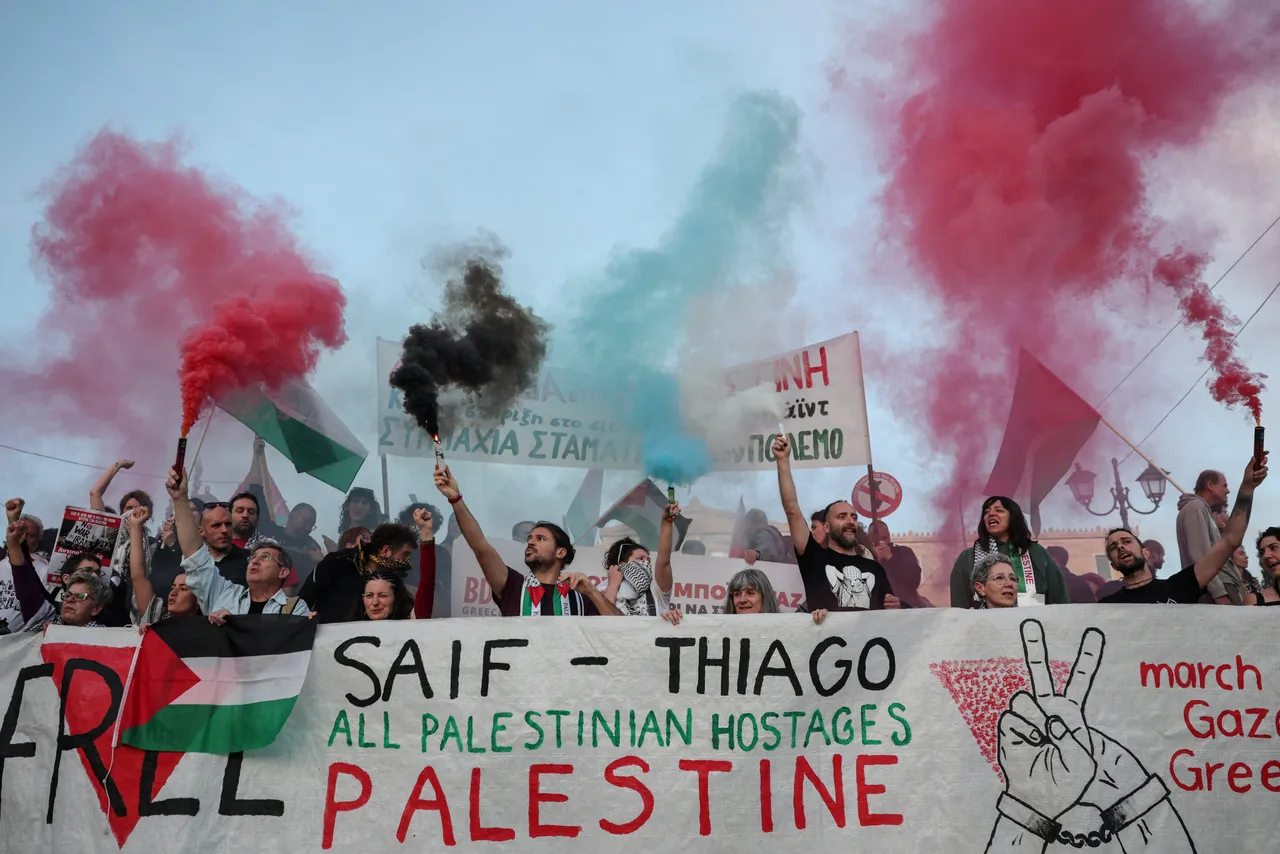
Of those detained, 178 were later released. Thiago Avila and Saif Abu Keshek were taken to Israel.
Although no charges have been filed against either man, the Ashkelon Magistrates' Court on Tuesday granted the state's request to extend their detention by six days.
Adalah, the Legal Center for Arab Minority Rights in Israel, filed an immediate appeal, taking the case to the Beer Sheva District Court.
By Wednesday afternoon, that appeal had also failed, according to Miriam Azem, Adalah's international advocacy coordinator, who confirmed the outcome to TRT World.
The District Court upheld the magistrate's earlier decision to hold Brazilian activist Avila and Spanish-Swedish national Abu Keshek in Ashkelon prison until Sunday, May 10, on the basis of secret evidence that their lawyers were not permitted to see.
“This decision reflects deeply concerning judicial complicity, allowing baseless security claims to justify the activists’ continued interrogation and detention. It is part of a broader state effort to criminalise acts of solidarity and humanitarian aid for the Palestinian people in Gaza,” Adalah said in a statement.
The fact that two separate courts have now rubber-stamped this unlawful detention is extremely alarming, according to Dr Suhad Bishara, Adalah’s attorney and legal director.
“The courts have ignored fundamental legal arguments. Under the UN Convention on the Law of the Sea (UNCLOS), the Italian-flagged vessel was under Italian jurisdiction; for Israel to seize individuals 1,000 km away without consent or extradition is, by definition, an abduction rather than a legal arrest,” Bishara tells TRT World.
“You cannot have a 'legal' detention following an 'illegal' seizure,” she adds.
The jurisdiction question
At the core of the legal team’s challenge is the question of whether Israel had any lawful authority to carry out this arrest in the first place.
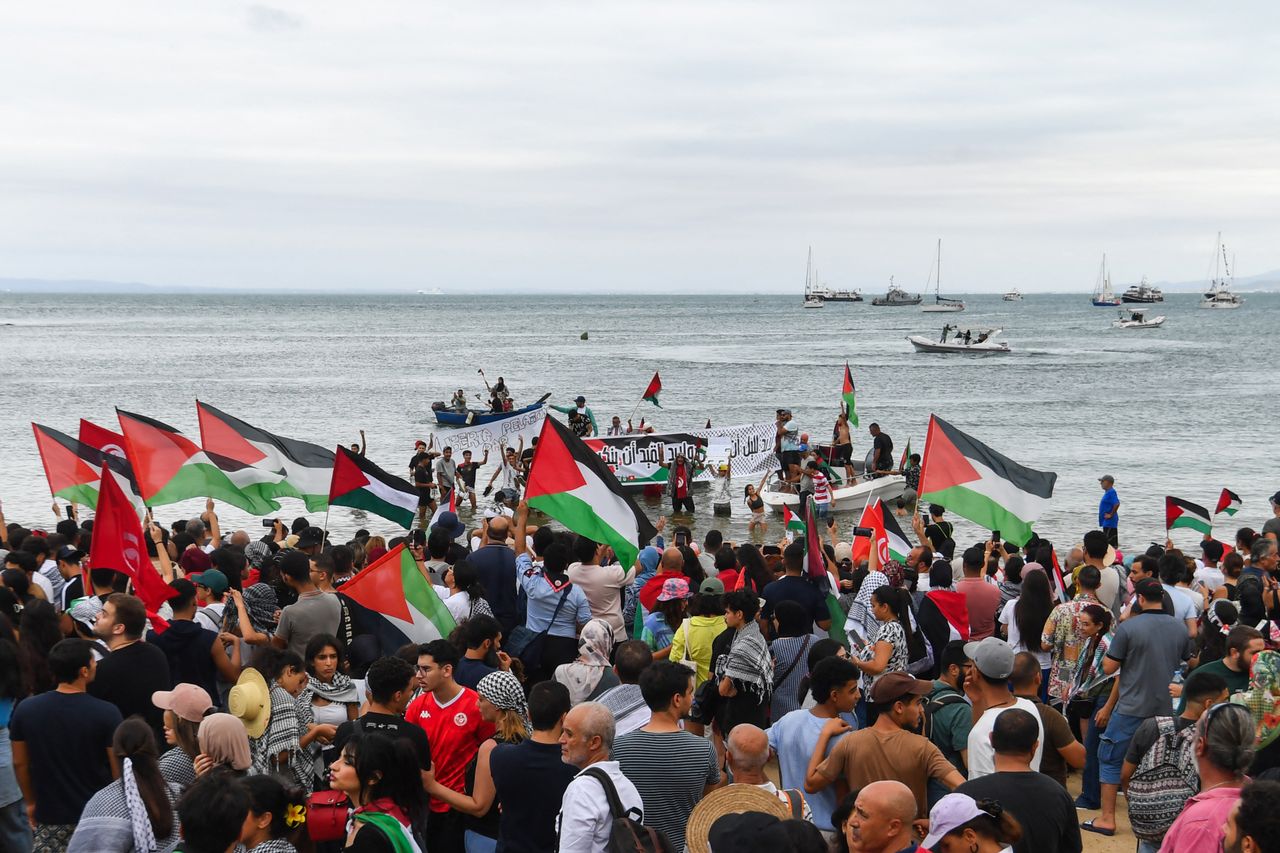
The two activists are not Israeli citizens, and they were not apprehended on Israeli territory. They were stopped at sea, aboard vessels that had departed from ports in France, Spain, and Italy, on a declared humanitarian mission.
They were seized from an Italian-flagged vessel, placing them, under international law, under Italian jurisdiction. A lawful arrest under these circumstances, Bishara argues, would have required formal extradition.
“Since there is no lawful authority to arrest, every subsequent day of detention is illegal. The court has authorised the extension of detention only until this Sunday, and given that there are still no formal charges or indictments of any kind, our immediate priority is monitoring the situation and their detention conditions,” Bishara says.
“While our role is strictly limited to proceedings before Israeli authorities and courts, this case carries significant implications in other jurisdictions,” she adds.
The Israeli state has put forward a list of suspected offences against the flotilla activists that reads like a counterterrorism indictment: assisting the enemy during wartime, contact with a foreign agent, membership in a terrorist organisation, and the transfer of property to a terrorist organisation.





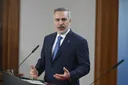

Attorneys Lubna Tuma and Hadeel Abu Salih have argued that the allegations are baseless, with no meaningful link between delivering humanitarian aid to a civilian population via a flotilla and any terrorist activity.
The District Court also failed to address the legal team’s argument about the information the activists provided during interrogations by the Shabak intelligence agency.
“We are prepared to vigorously object to any further attempt by the state to extend this detention beyond Sunday. We maintain that every additional hour they are held is a continuation of an illegal act,” Bishara says.
The UN rights office has also called on Israel to release the two men immediately and unconditionally on Wednesday, demanding an end to Israel's reliance on vaguely defined terrorism legislation that falls short of international human rights standards.
Who they are
Neither man is an unknown figure in international humanitarian circles. Avila, 38, is a Brazilian humanitarian who has dedicated more than two decades to solidarity with Palestine.
He was among the organisers of a flotilla that attempted to bring aid to Gaza last year and was also intercepted by Israeli forces, making this his second detention in international waters.
Abu Keshek is a Spanish-Swedish national of Palestinian origin and a leading member of the flotilla's steering committee.
Both men bear visible signs of torture on their faces.
Inside Ashkelon’s Shikma Prison, they are held in complete isolation, subjected to continuous high-intensity lighting around the clock, and kept blindfolded during all movements, including medical examinations.
Both have been on hunger strike since the early hours of April 30, when they were abducted by the Israeli navy.
Abu Keshek has since escalated his strike and is refusing water entirely, Azem confirmed to TRT World.
Adding to the gravity of the situation, Avila's mother, Teresa Regina de Avila e Silva, died in Brasilia on Wednesday, while her son remains cut off from all outside contact, with no ability to reach his family.
“The treatment they are subjected to, from psychological torture and isolation to the conditions they face while on hunger strike, is a matter we are following closely and are extremely concerned about,” Bishara says.
“We hold the Israeli Prison Service and the state fully and personally responsible for their lives and well-being.”
“Under both Israeli and international law, the state has an absolute 'duty of care' toward those in its custody. Any further deterioration in their health will be the direct result of the state’s decision to maintain this unlawful and punitive detention.”