The United Nations has warned of a growing risk of atrocity crimes being committed by Israel against the Palestinians, and urged all states to take immediate preventative action.
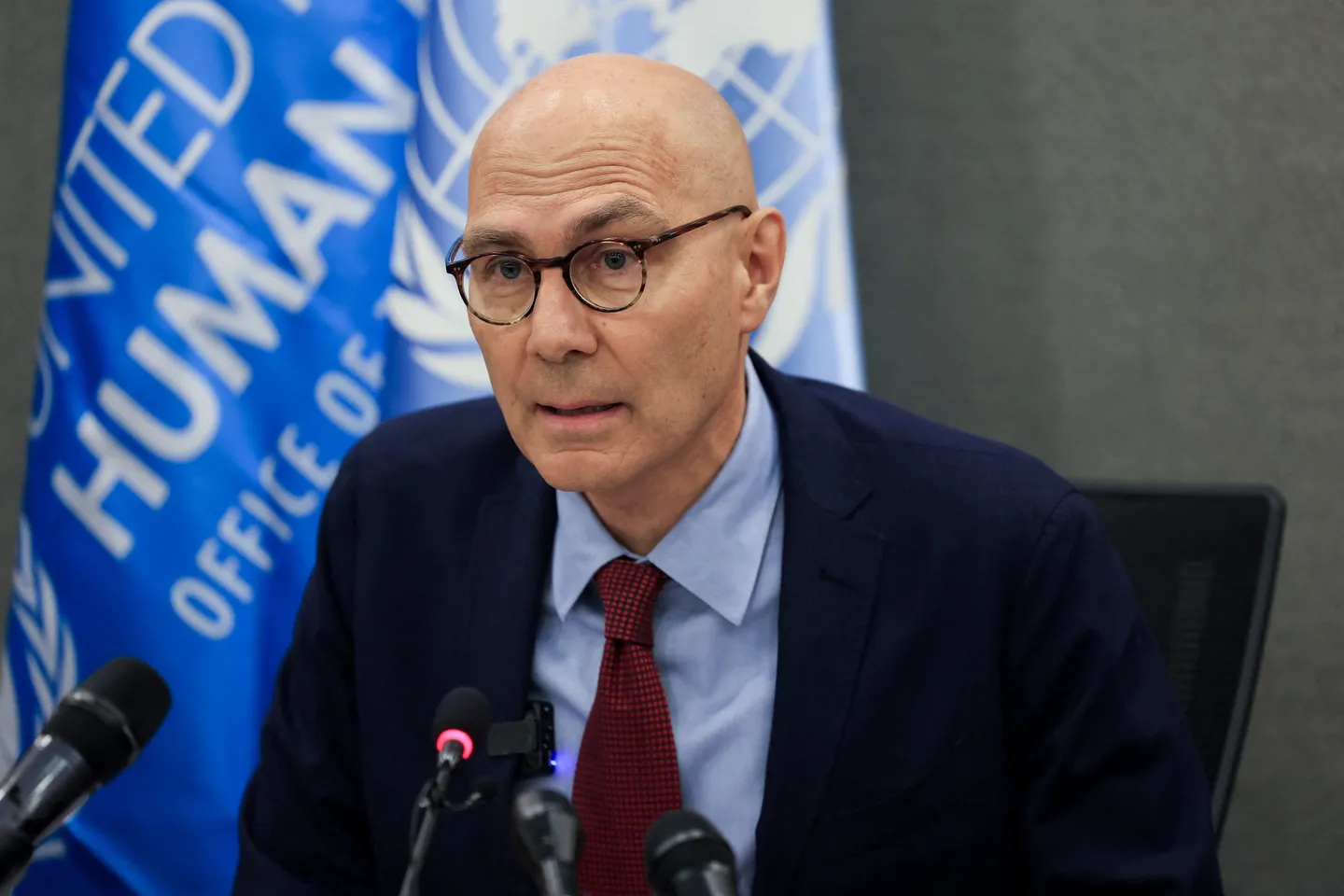
UN rights chief Volker Turk said ongoing Israeli attacks, policies and violations against Palestinians indicated a "widening risk of further atrocity crimes" in the occupied West Bank and Gaza.
"Israeli government representatives at highest levels have time and again spelt out policies of annexation, ethnic cleansing and collective punishment in the West Bank," he said in a statement on Wednesday.
"Across society, the incitement to hatred and to perpetration of violations amounting to atrocity crimes, war crimes, crimes against humanity and even genocide, has been appalling."
Turk said his office had repeatedly warned about the risk of Israel's actions in Gaza posing a "real threat to the continued existence" of the Palestinians as a group.
‘All states have the obligation to act’
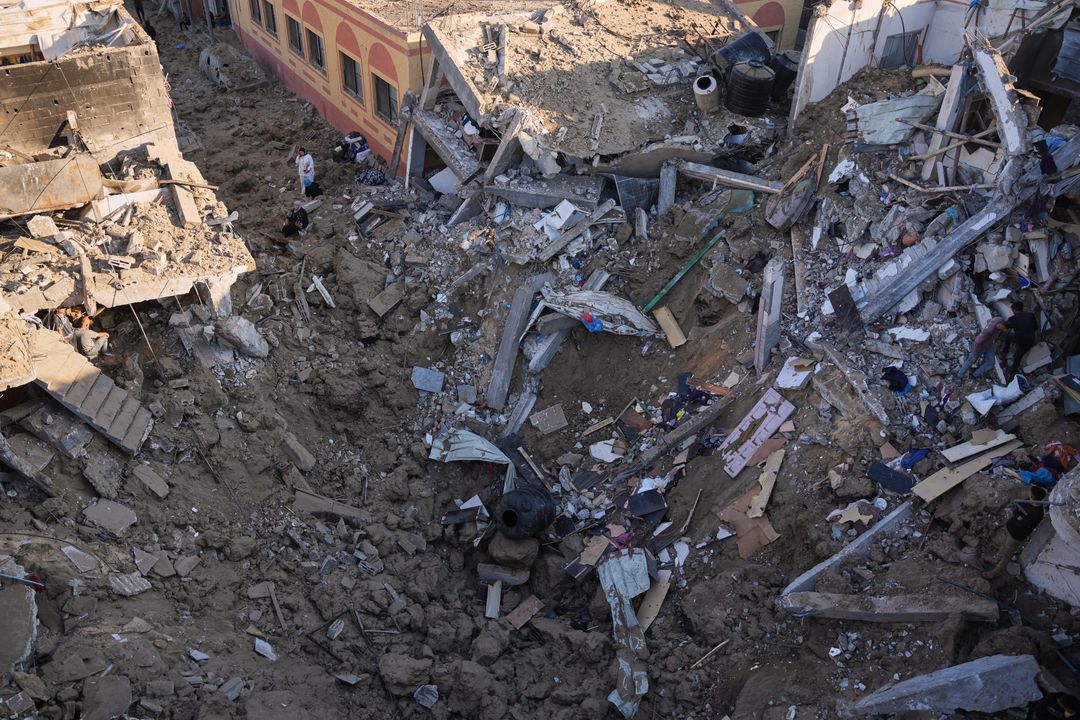
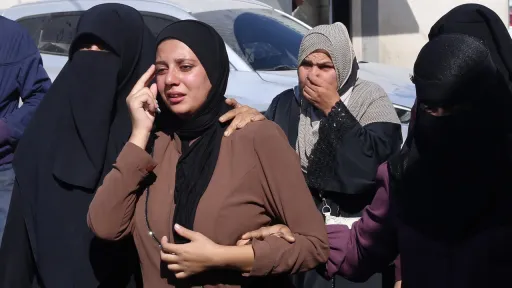
Most of Gaza's population of 2.1 million live displaced in tents or makeshift shelters in the territory, where Israel's military says it controls more than 60 percent of the land.
"I am extremely worried about the increasingly widespread and systematic nature of the violations being perpetrated across both the West Bank and Gaza," Turk said.
"Our warnings have not been heeded, and atrocity crimes continue to recur," said the UN high commissioner for human rights.
"Civilians continue to be killed, and hundreds of thousands of Palestinians have been forcibly displaced, with senior Israeli officials indicating intent for such displacement to be permanent."
"All states have the obligation to act, now, to prevent further atrocity crimes against the Palestinians," said Turk.
"There must be independent investigations, and those responsible must be held to account. The work of the international courts in this regard must be supported by all states."
Turk also reminded Hamas and other Palestinian armed groups of their obligations under international law, including to protect civilians and to respect the safety of humanitarian operations.