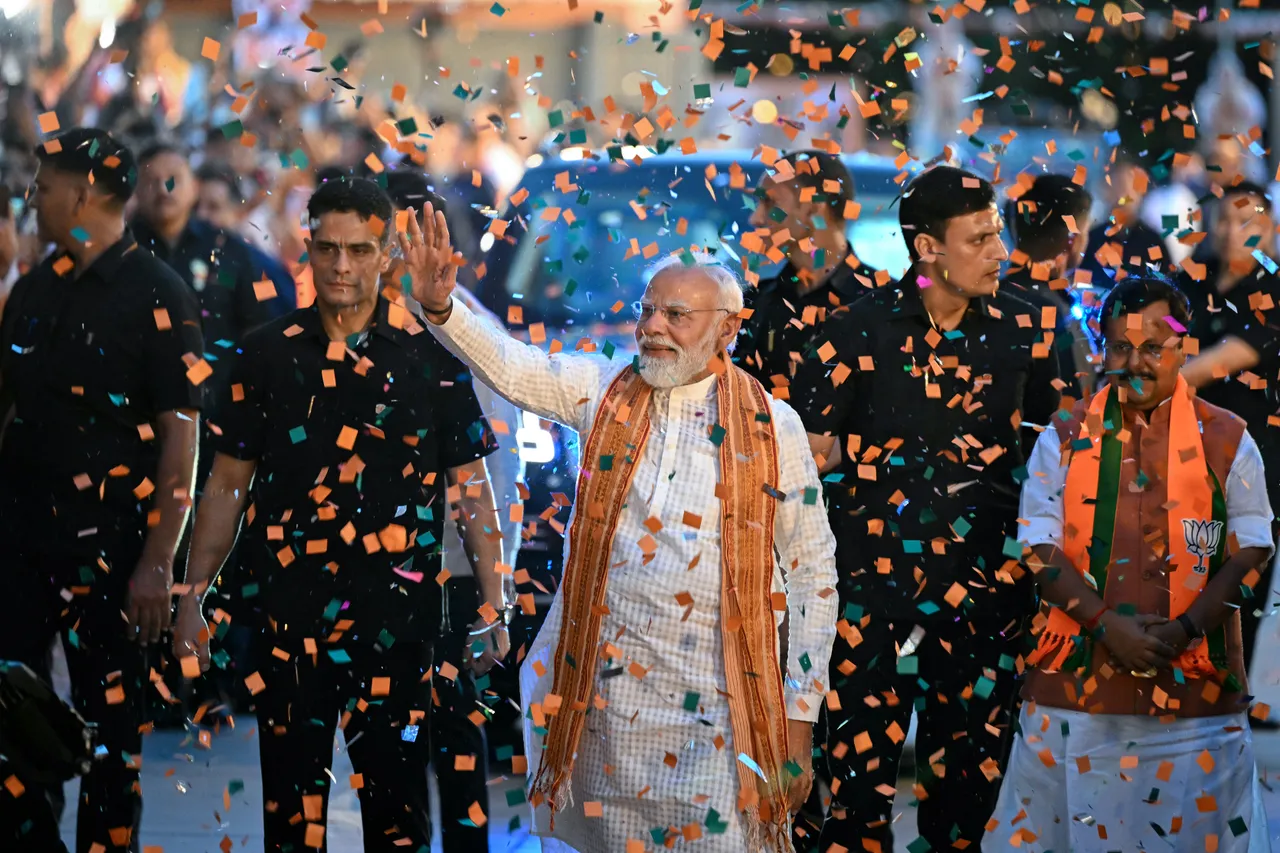
For the first time in its electoral history, India’s Hindu nationalist Bharatiya Janata Party (BJP) has secured a decisive victory in West Bengal, a state long considered one of its most difficult political frontiers.
According to results announced by the Election Commission of India, the BJP won 206 out of 294 seats in the West Bengal Legislative Assembly, giving it a commanding two-thirds majority.
The victory marks a dramatic political shift in a state that has, for over a decade, been governed by Chief Minister Mamata Banerjee and her opposition Trinamool Congress (TMC).
The scale of the win is significant not only because of the seat tally but also because it represents the BJP’s first-ever electoral victory in West Bengal. The party also consolidated gains in other regions, including returning to power in Assam for a third consecutive term and joining a coalition government in the union territory of Puducherry.
Prime Minister Narendra Modi described the outcome as a “historic mandate,” saying on social media that “people’s power has prevailed and BJP’s politics of good governance has triumphed.” He also credited “countless party workers” for what he called a generational struggle to win Bengal.
With a population exceeding 100 million people, West Bengal is one of India’s most politically important states. It has historically resisted BJP’s Hindu nationalist ideological expansion, making this victory especially symbolic for the ruling party at the national level.
Yet the central question emerging from this election is not just that the BJP won—but how it achieved such a dramatic breakthrough in a state where it had never before formed the government.
How did the BJP win Bengal?
The BJP’s victory in West Bengal has been widely interpreted as the result of a combination of political, organisational, and social shifts.
Analysts and reporting from multiple outlets suggest that no single factor explains the scale of the win. Instead, it reflects overlapping dynamics including religious polarisation, voter roll changes, anti-incumbency against the TMC, and welfare politics.
However, one of the most debated and politically sensitive aspects of the election is whether changes in voter composition—particularly involving Muslim voters—played a decisive role.
At the centre of this debate is the Special Intensive Revision (SIR) of electoral rolls conducted by India’s Election Commission in the months leading up to the election.
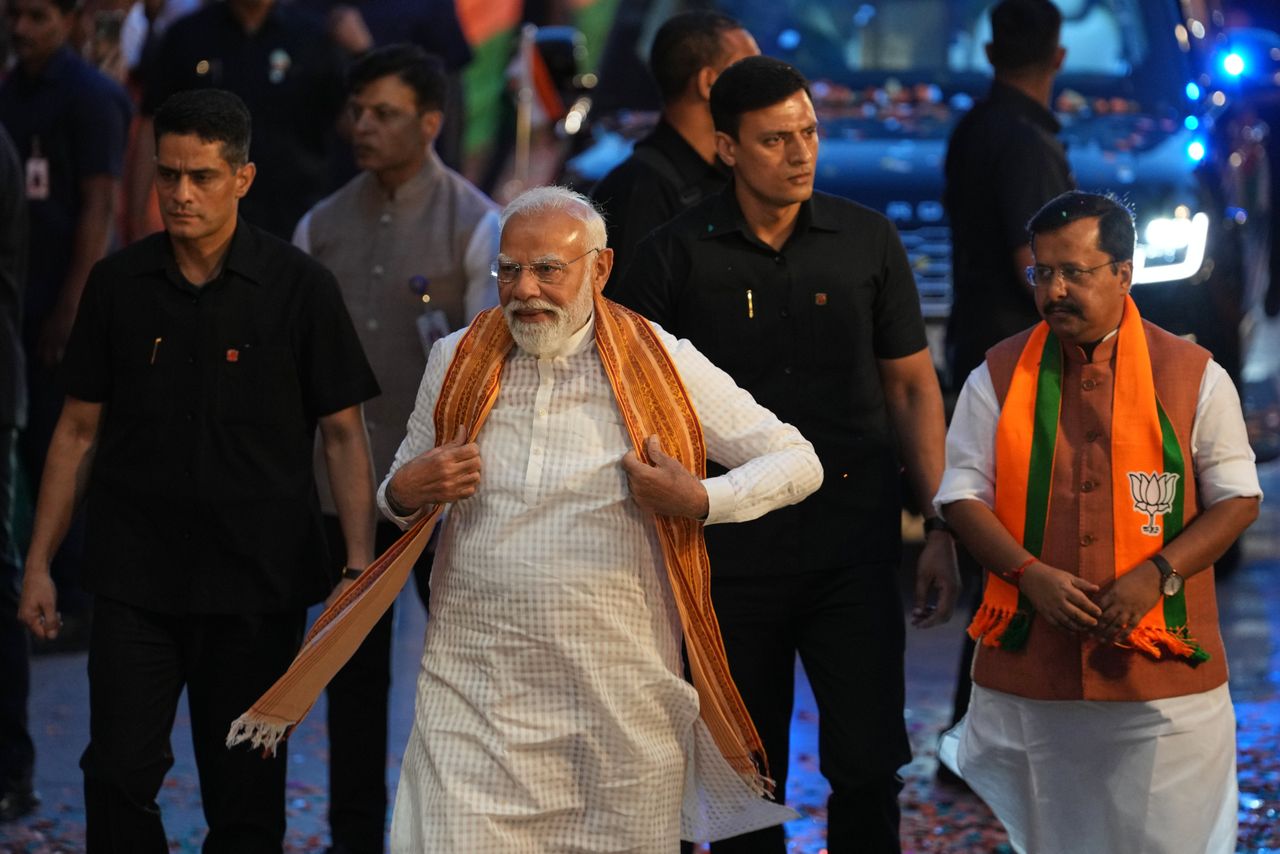
SIR controversy and allegations of exclusion
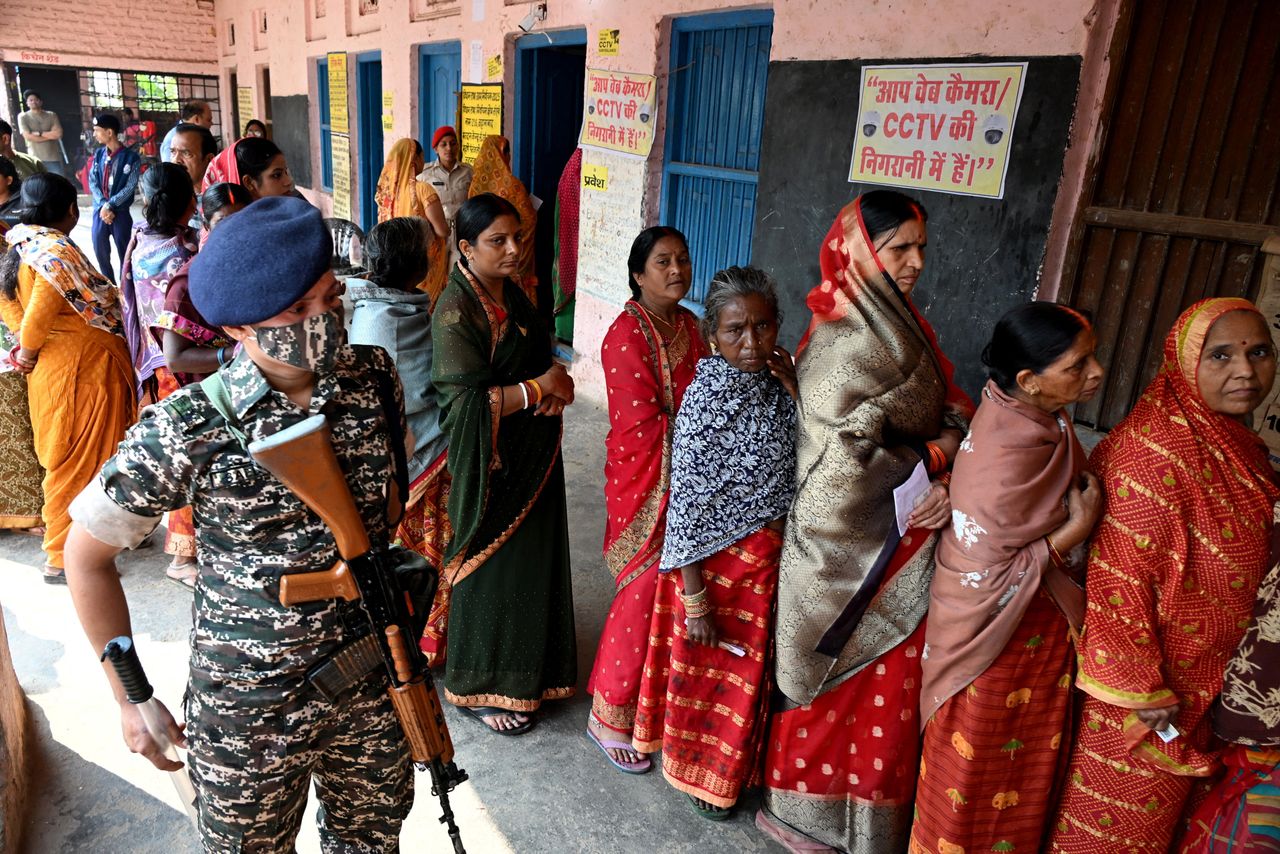
In the months before voting began, the Election Commission carried out a large-scale revision of voter lists in West Bengal under the Special Intensive Revision process.
According to some reports, this exercise resulted in the removal of approximately nine million names from the electoral rolls, representing nearly 12 percent of the state’s voters.
The Election Commission stated that the revision was intended to remove duplicate entries, deceased voters, and outdated records. However, opposition parties, rights groups, and several analysts raised concerns about its implementation.
Critics argued that the timing and execution of the revision were unusually rapid and lacked transparency. Some researchers and civil society observers claimed that the process disproportionately affected communities in certain districts and raised concerns about disenfranchisement.
Approximately six million names were removed as deceased or absentee voters, while an additional three million people were left in limbo due to pending verification cases, making it difficult for them to vote in time for the election.
The controversy became politically charged because West Bengal has a large Muslim population, estimated at around 27 percent of the state’s population (based on the 2011 census).
Several reports suggested that districts with high Muslim populations—such as Murshidabad, Malda, and North 24 Parganas—recorded significant numbers of deletions.
Opposition parties, including Mamata Banerjee’s Trinamool Congress, accused the Election Commission of acting in a biased manner.
Banerjee herself challenged the process in India’s Supreme Court, describing it as “opaque, hasty, and unconstitutional,” and alleging that it disproportionately affected communities likely to vote against the BJP.
The Election Commission, however, denied any political motive, insisting the exercise was routine and aimed at ensuring accuracy in voter lists.
Did Muslim voter exclusion shift the outcome?
This is where the political debate becomes most sensitive—and most contested.
Analysts and opposition figures argue that the voter roll revision may have contributed to changing the electoral arithmetic in several constituencies. In tightly contested seats, even relatively small shifts in voter eligibility or turnout can significantly alter outcomes.
Some reports said that many of the deleted voter entries were concentrated in areas where the TMC traditionally performs strongly, particularly among Muslim voters who have historically supported parties opposing the BJP.
The BJP’s vote share rose to around 46 percent, compared with roughly 40 percent for the TMC. In a first-past-the-post system, such shifts can produce outsized seat gains, helping to account for the scale of the BJP’s 206-seat win.
Scroll.in reporting highlights how BJP leaders consistently framed Hindu vote consolidation as central to their electoral strategy in West Bengal.
“We have to make sure that the Hindu vote does not split,” former state BJP president Rahul Sinha said, reflecting the party’s emphasis on unifying Hindu voters. He also stated that “these extra votes would have to come from Hindus, because Muslims don’t vote for the BJP.”
In internal political discussions, BJP leaders also linked this electoral arithmetic to the ongoing voter roll revision process.




Sinha again noted, “the more names that are removed from the voter list, the fewer votes we will need to win,” suggesting that changes in the electorate combined with shifts in Hindu voting patterns were seen as politically significant in a tightly contested state.
The same reporting also notes that about 9 million voter deletions were recorded during the revision process in West Bengal, leading to a reduction of about 12 percent of the voter base.
Critics argue that the deletions of millions of voters inevitably had political consequences, particularly in a state where voting patterns are strongly influenced by religious and community identities.
Even if the Election Commission denied that Muslim voters were systematically removed or excluded as a targeted group, the perception of exclusion became a central political narrative during the campaign.
Religious polarisation and its electoral impact
Beyond the administrative controversy over voter rolls, the election was also shaped by increasing religious polarisation in West Bengal politics.
Political scientist Bhanu Joshi told the BBC that the BJP’s electoral strategy in West Bengal involved translating anti-incumbency against the Trinamool Congress into “a sharper language of Hindu consolidation,” as welfare politics and party organisation weakened.
Separately, Neelanjan Sircar of the Centre for Policy Research observed that BJP campaigning in the state operated in a highly polarised environment shaped by Hindu–Muslim political divisions, particularly across urban constituencies.
BJP leader Suvendu Adhikari thanked “Hindu Sanatani” voters for supporting the party, reflecting the religious framing used in parts of the campaign. In contrast, former state BJP president Rahul Sinha criticised Chief Minister Mamata Banerjee’s construction of a Jagannath temple in Digha, accusing her of attempting to divide Hindu voters, according to Scroll.in.
This division created what analysts described as a structurally polarised electorate, where religious identity became a key determinant of voting behaviour.
The Muslim vote and TMC’s traditional base
Historically, the Trinamool Congress has relied heavily on a broad coalition that includes women, rural voters, and a significant proportion of Muslim voters.
According to pre-election surveys cited in the BBC, the TMC had previously secured strong support among Muslim communities, winning up to 84 out of 88 Muslim-dominated constituencies in earlier elections.
Muslims constitute roughly a quarter of West Bengal’s population and are geographically concentrated in several districts, making them an important electoral bloc in many constituencies.
In previous elections, this bloc had been seen as a key factor sustaining the TMC’s dominance, especially in closely contested rural seats.
However, in the most recent election, analysts observed signs of fragmentation in this coalition, alongside increased Hindu consolidation behind the BJP.
While the exact voting breakdown remains unclear pending full Election Commission data, early assessments suggest that shifts in traditional voting blocs played a significant role in determining outcomes.
Beyond Muslim vote dynamics: other factors behind BJP’s win
Although the debate over Muslim voter exclusion and polarisation has been central to post-election analysis, it is not the only explanation for the BJP’s victory.
Several other important factors contributed to the outcome.
Anti-incumbency against the TMC
After more than a decade in power, Mamata Banerjee’s government faced growing anti-incumbency sentiment. Analysts suggest that sections of the electorate viewed welfare schemes as routine rather than transformative, reducing their political impact over time.
Some voters also expressed dissatisfaction with local governance structures and perceived organisational fatigue within the ruling party.
Organisational expansion of the BJP
The BJP significantly expanded its organisational presence in West Bengal over the past decade. Once considered a marginal force in the state, it invested heavily in grassroots mobilisation, party infrastructure, and cadre building.
This long-term organisational strategy allowed the party to convert vote share into seats more effectively than in previous elections.
Deployment of security forces and electoral environment
According to the data, the central government deployed 2,400 companies of paramilitary forces, an unusually high number for state elections. While officially intended to ensure security, critics argued that the heavy presence of security forces may have influenced voter behaviour by shaping perceptions of control and authority.