Iran has not yet decided whether to resume indirect negotiations with the US, its foreign minister said, stressing that exchanges through mediators should not be interpreted as a return to talks.
Abbas Araghchi rejected reports suggesting that the 60-day ceasefire under the Islamabad memorandum — a June framework peace deal with the US, brokered by Pakistan — requires an extension.
"What was included in the Islamabad memorandum was the end of the war, not a ceasefire," he told Iran’s ISNA news agency early on Saturday.
"The United States violated the memorandum, and the fighting resumed. Therefore, there was no 60-day ceasefire that needed to be extended."
He said the 60 days referred to in the memorandum was intended as a window for negotiations aimed at reaching a final agreement, not as the duration of a ceasefire.
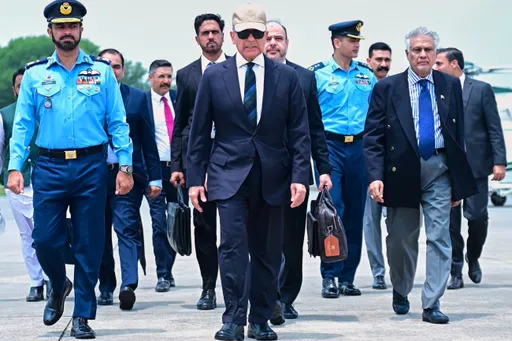
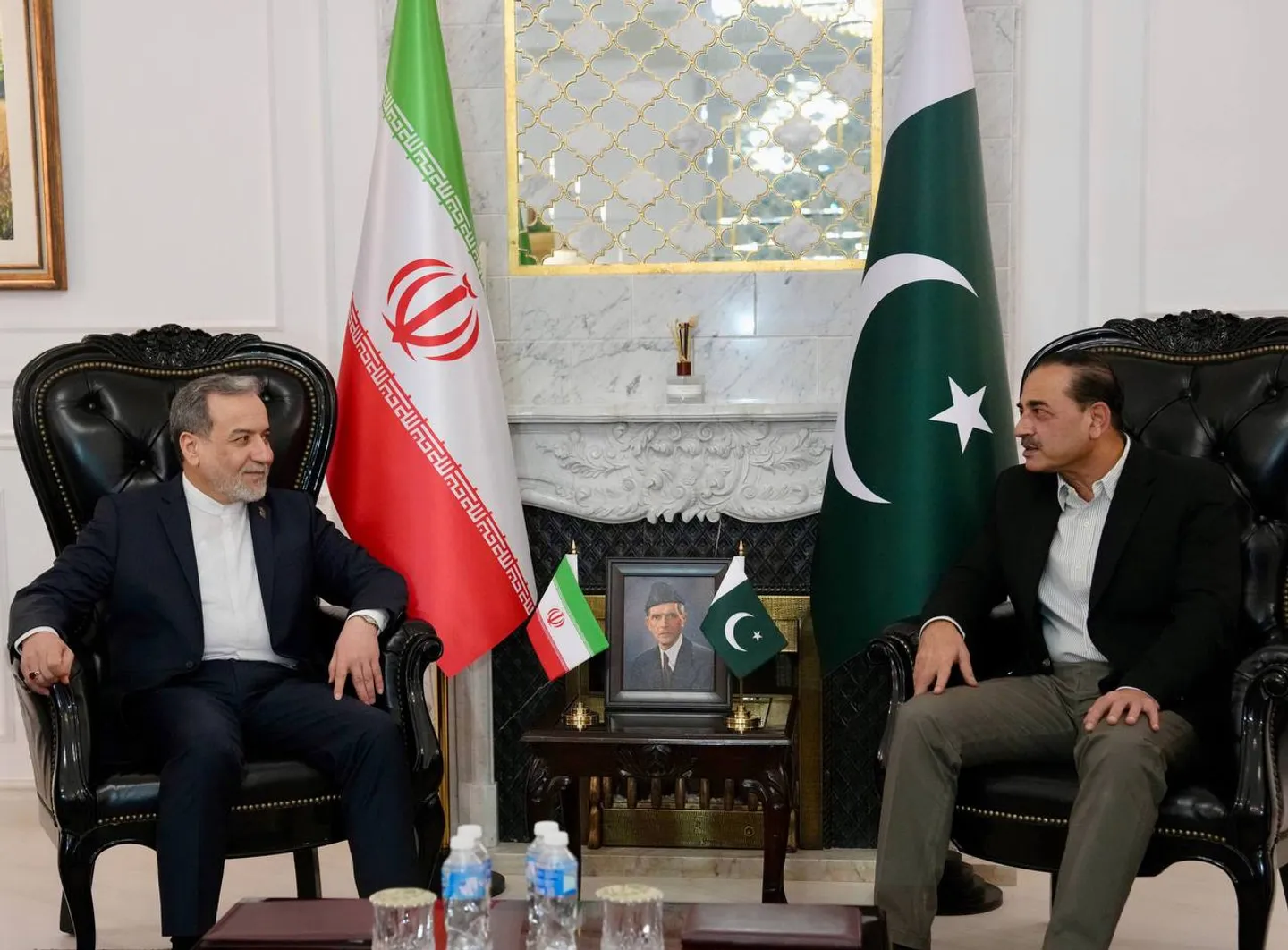
"Both Qatar and Pakistan continue to exchange messages and remain in contact with us, but that does not mean negotiations," he said. "No decision has yet been made to resume talks with the United States."
Tehran-Muscat talks
Araghchi said Iran’s negotiations with Oman are continuing but are entirely separate from any discussions with Washington.
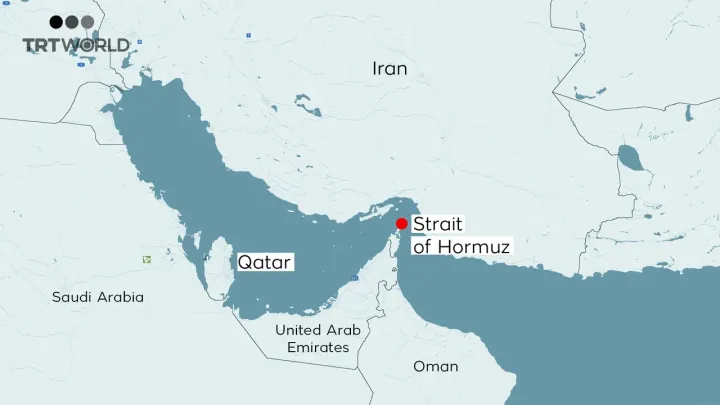
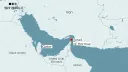


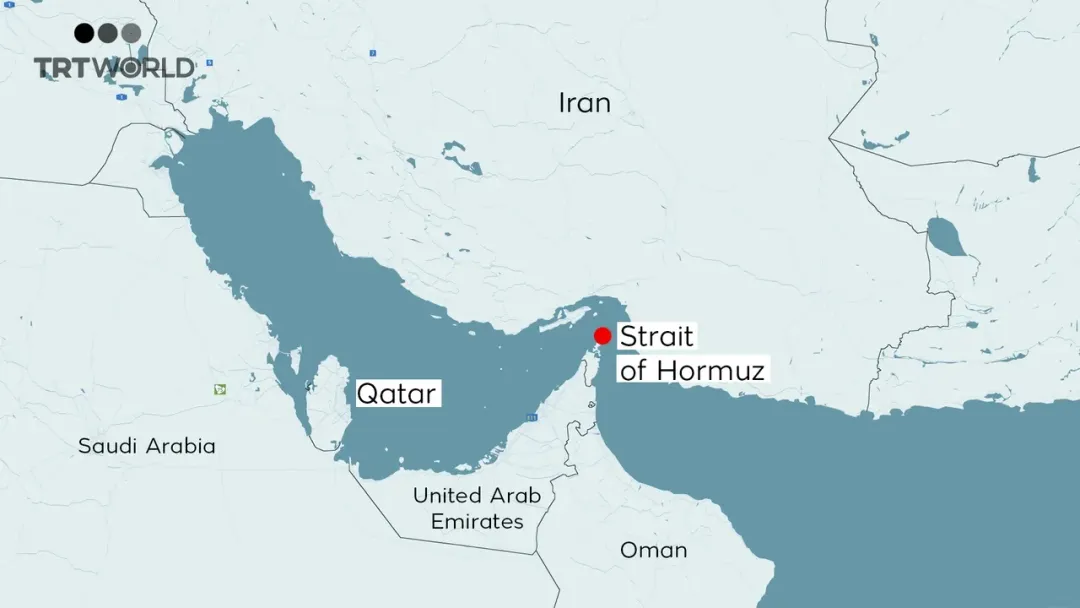
He described the talks as technical negotiations focused on establishing new shipping lanes through the Strait of Hormuz, as the previous routes were no longer suitable.
"We are currently designing a temporary route that will later become permanent route," he said, adding that experts from both countries, as well as Iran’s armed forces, are involved and the talks could conclude soon.
Araghchi stressed that the technical negotiations on shipping lanes should not be confused with the issue of reopening the strait.
"Once the route is determined, whether the Strait of Hormuz is reopened depends on the fulfillment of other conditions that the United States must comply with," he said.
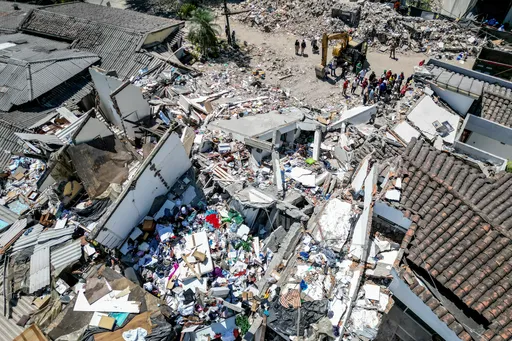
US joined Israel in attacking Iran on February 28, with strikes quickly killing the longtime supreme leader, Ali Khamenei, and much of the other top brass as well as hundreds of civilians.
But Iran quickly hit back by exerting control over the Strait of Hormuz, the narrow passageway through which one-fifth of global oil once sailed, and it has rained missiles and drones on Gulf states.
The US and Iran agreed to a Pakistan-brokered ceasefire in April and later signed a deal on June 17, launching negotiations toward a final agreement.
But the talks later stalled over disagreements on security guarantees and freedom of navigation through the Strait of Hormuz, one of the world's most strategic routes for global energy supplies and trade.
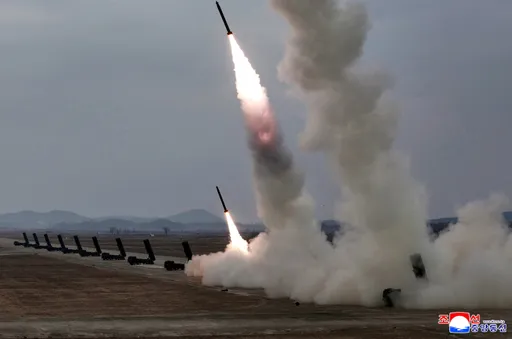
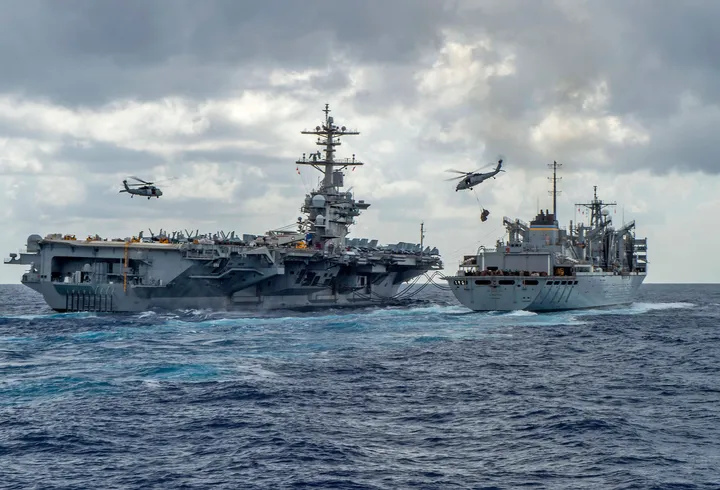
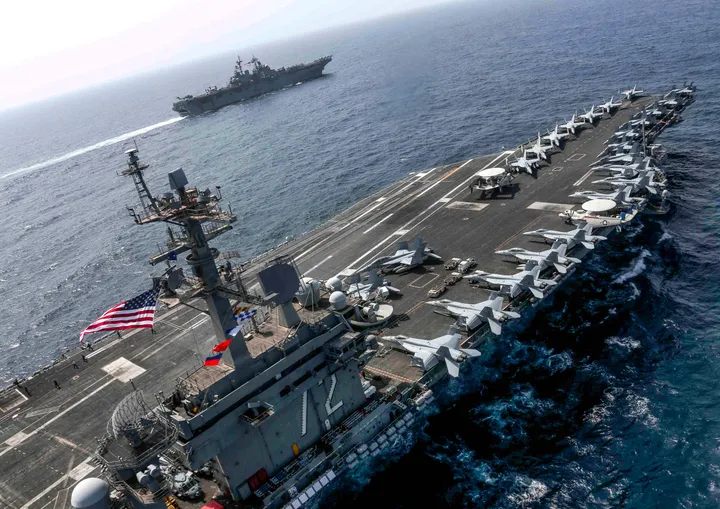
From July 8 to 24, the US and Iran exchanged more military strikes, with Washington launching attacks on targets inside Iran.
Tehran responded by striking what it described as US military facilities and equipment in several Arab countries, including Jordan, Bahrain and Kuwait.