The United States has spurned a meeting of UN Human Rights Council (UNHRC) where its human rights record was due to be examined, shunning the Universal Periodic Review (UPR) by the UN body for the second time in a row.
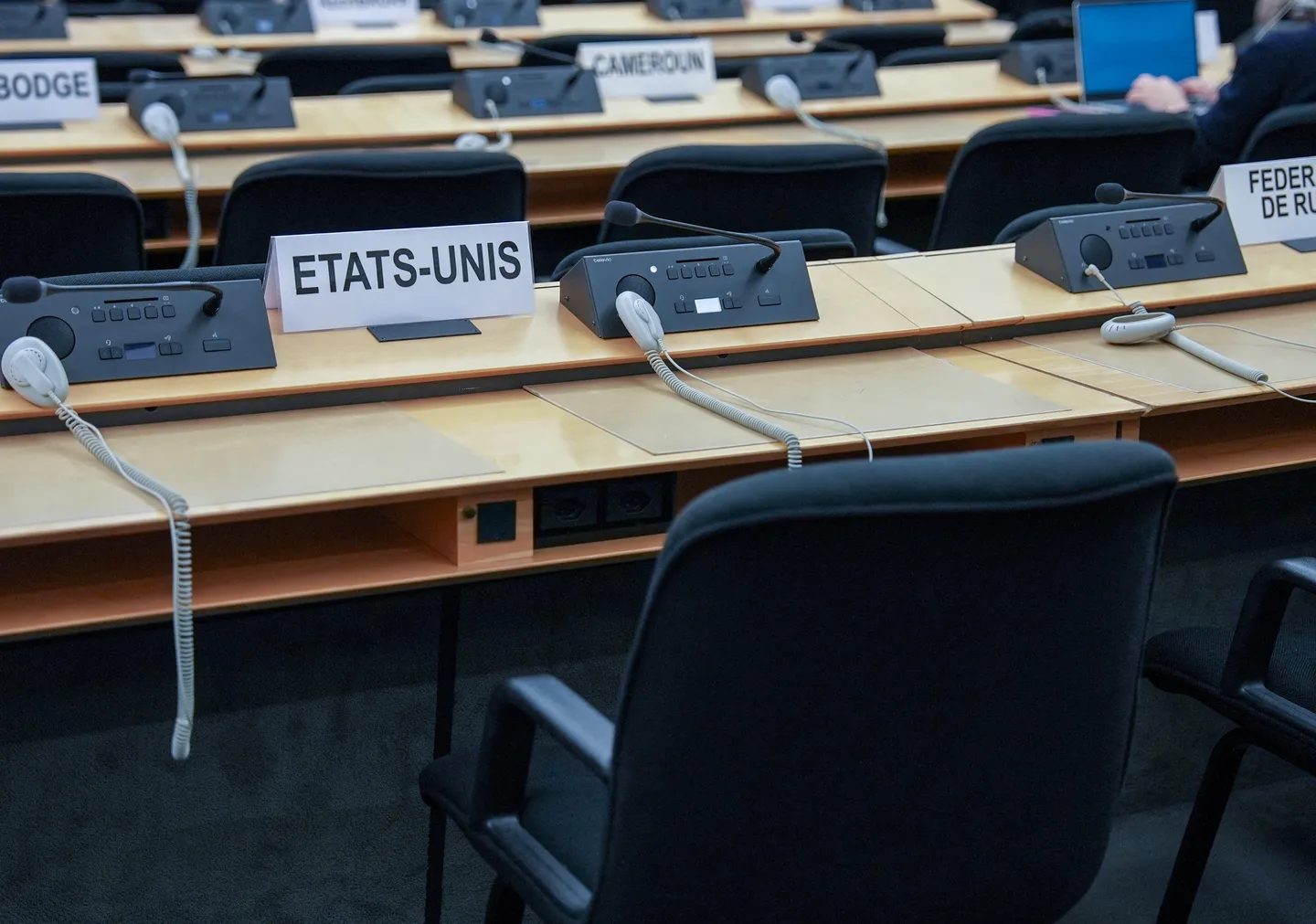
The US left its seat on the stage of the UN meeting empty on Tuesday and the council decided to postpone the event until January.
A US State Department spokesperson said participation would imply endorsement of the council's work.
"This irredeemable body makes a mockery of human rights through consistent failures to uphold its own 'values' as it pushes anti-American rhetoric," the spokesperson said, without responding to allegations about the US record.
Washington disengaged from the Geneva-based council last year, citing an anti-Israel bias. The scheduled November 2025 review was pushed back until Tuesday in hopes that the US government might change its mind. It did not.
The 47-member council has not directly criticised Washington's rights record but its appointed experts have, such as over migrant deportations. Washington said deportations were carried out in accordance with US immigration law.
Non-binding recommendations
The Universal Periodic Review asks all 193 UN member states to submit a rights report every few years and these are reviewed by other states, which provide non-binding recommendations.

UN documents show countries had planned on Tuesday to raise issues such as abortion and the death penalty.
US and international non-governmental organisations also sent nearly 200 UN submissions covering topics from migration to racial discrimination.
Fourteen countries are due to take part in the review process in Geneva this month. In Trump's first term in office, the US submitted its UPR report.
Noor Abdalla, wife of pro-Palestine student activist Mahmoud Khalil, who was held in immigration detention last year, is among campaigners pressing UN High Commissioner for Human Rights Volker Turk to promptly hold a briefing on the US rights situation, even in Washington's absence.
"When the most powerful government in the world is not held accountable, they think that they can do whatever they want," Abdalla told reporters.
However, diplomats were sceptical given that few states want to confront Washington.
"The view is to leave the door open and hope they come back in two years," said a diplomat.
Eric Tistounet, a visiting professor at the Geneva Graduate Institute who was the council's first secretary, said the US walkout could affect the credibility of the council's review system.
"If the predominant global power — which has always claimed to adhere to the human rights norms — doesn’t show up and doesn’t even justify why, then you are in big trouble," he said.