 Kazim Alam
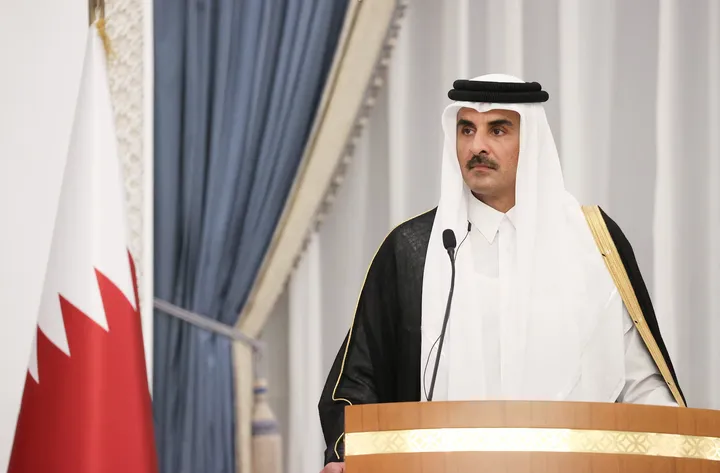
For Qatari Prime Minister Sheikh Mohammed bin Abdulrahman Al Thani, the US-Israeli war against Iran is a “wake-up call” that should alert Gulf nations and Tehran to the need for a security arrangement in which no country poses a threat to another.
Speaking at the Qatar Economic Forum on the sidelines of the 81st UN General Assembly in New York, Al Thani said the war has tested assumptions about security and stability in the region, which is dotted with US military bases.
The blunt remarks by the Qatari premier came almost seven months after the US and Israel launched a war against Iran with the killing of its supreme leader.
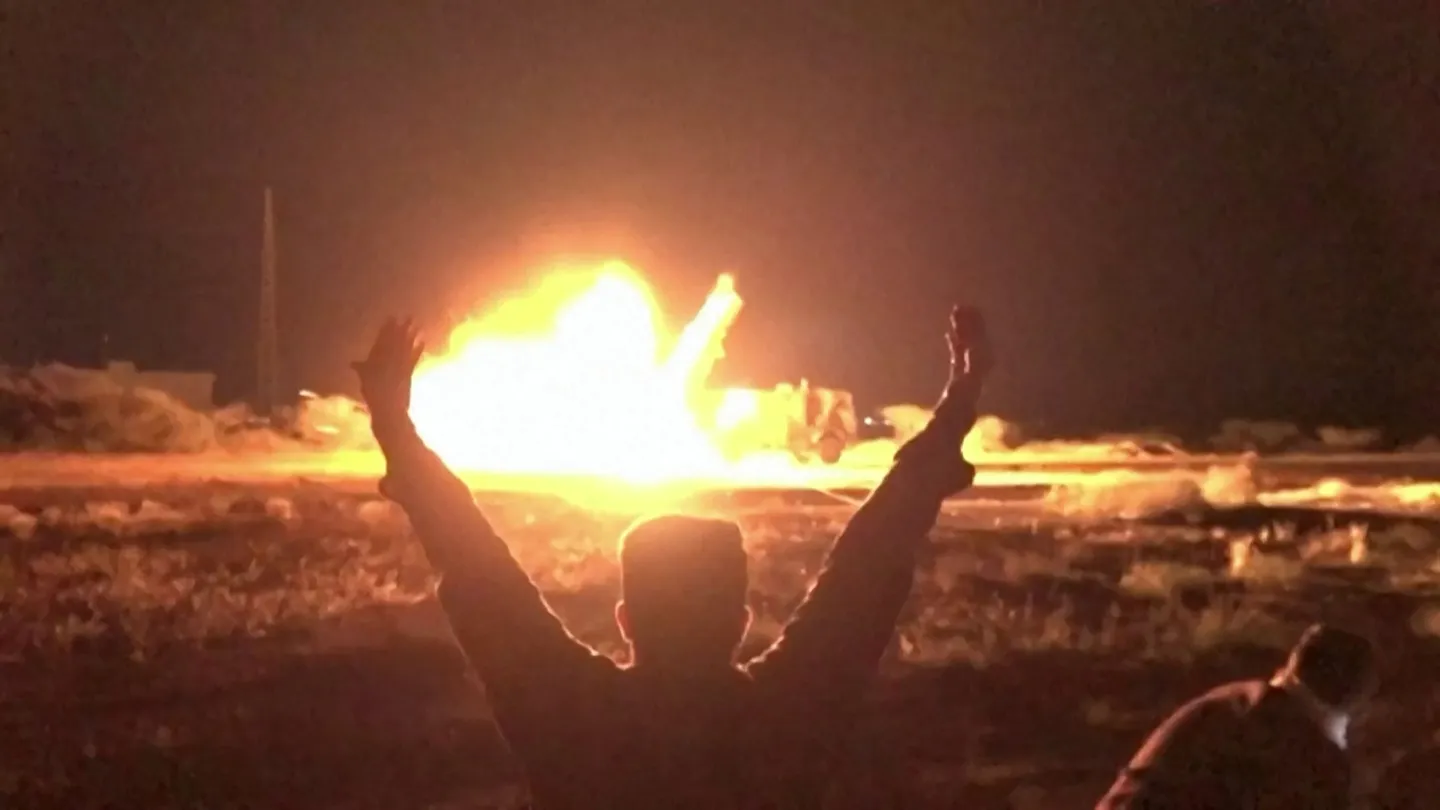
Iran retaliated by hitting Gulf countries in more than 7,000 missile and drone attacks.
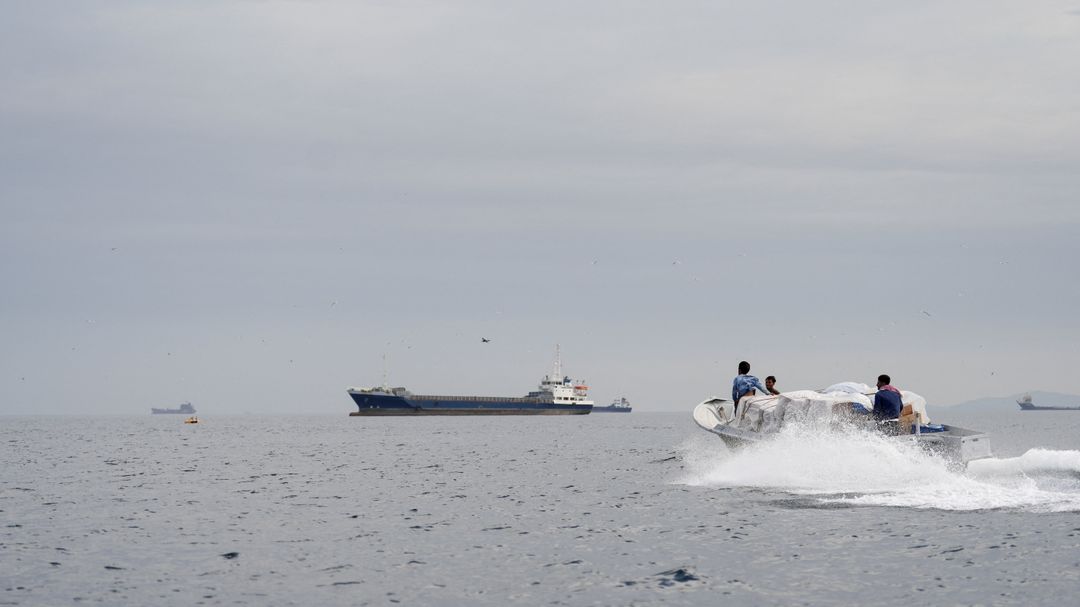
Maritime traffic through the Strait of Hormuz, a critical waterway between Iran and Gulf nations that handled one-fifth of global energy supplies before the war, is mostly suspended.
The blockade has stopped oil and gas exports from Saudi Arabia, the UAE, Qatar, Bahrain, Kuwait, Oman, and Iraq, creating ripple effects in the global economy.
Experts say that the need for a regional security framework is urgent and undeniable, but express doubt whether ground realities would permit it.
Ozcan Akinci, a geopolitical and foreign policy analyst, sees a “genuine interest” in reconciliation between Iran and Gulf nations. However, he notes that a functioning security framework remains a distant possibility, at least for now.
“The war has exposed the limits of relying on outside powers to manage a problem that is ultimately regional,” he tells TRT World.
Iran is not an optional interlocutor, which can be wished away from the region. “The Gulf states have to live with that reality whether they like it or not,” he says.
At the same time, Gulf nations are increasingly looking for extra security insurance.
Akinci points to the Mecca agreement – a trilateral joint defence pact signed among Türkiye, Saudi Arabia, and Pakistan in August under which an armed attack on one is to be treated as an attack on all.
“Doha’s proposal, therefore, comes at a time when the regional security map is already being redrawn,” he says.
The unanswered question is whether Iran will convert the language of dialogue into practical restraint, particularly around Hormuz and proxy activity, he adds.
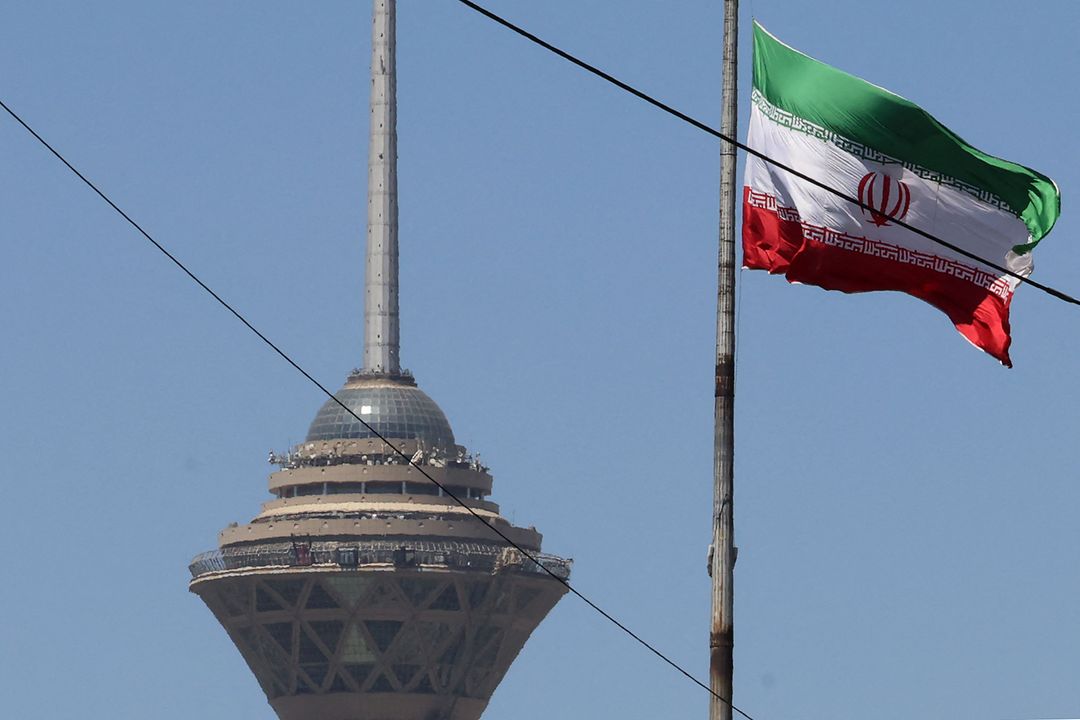
Mustafa Caner, an Iran specialist and assistant professor at Sakarya University’s Middle East Institute, tells TRT World that neither side benefits when Gulf and Iranian geopolitical visions diverge.
A security framework that reduced that divergence would certainly benefit both sides and contribute to regional security more broadly, he says.
But the architecture of Gulf security has been “outsourced to external powers”, and the war is still the immediate obstacle.
“As long as it continues, and particularly in the face of Iranian attacks, I don’t believe the Gulf states have a solid enough footing, or the capacity, to break away from the US and become founding actors of a security architecture together with Iran,” he says.
Is a GCC consensus possible?
Akinci names Qatar and Oman as the “obvious candidates” to back Al Thani’s idea. That’s because both countries have kept diplomatic channels with Tehran open for years despite setbacks.
Kuwait would probably be comfortable with a broader approach adopted collectively by the six energy-exporting Gulf nations, commonly known as the Gulf Cooperation Council (GCC), he says.
The UAE and Bahrain are “likely to be more cautious”, given that they have been the frequent targets of Tehran’s backlash in the US-led war on Iran.
How Riyadh reacts to the proposal will be critical because it has come under repeated attacks by Iran-backed Houthis.
“Saudi Arabia wants stability and de-escalation, but it also wants stronger protection against another attack,” he says.
What might convince the sceptics, such as the UAE and Bahrain, is a Saudi decision to treat Qatar’s proposal as part of a wider security strategy, alongside the Mecca agreement with Türkiye and Pakistan, he says.

That packaging of the proposed security framework would make it easier for the UAE and Bahrain to accept. At the same time, Tehran will have to offer something concrete, especially on shipping through Hormuz and the activities of its regional partners, he adds.
But Caner is less optimistic about a GCC consensus.
In principle, many Gulf capitals would view the proposal favourably, he says. In practice though, Doha and Muscat would stand largely alone.
The UAE is likely to “keep its distance”, a posture reflected in Abu Dhabi’s recent trade sanctions against Iran and closer alignment with the “US-Israel axis”.
Caner does not expect Saudi Arabia to take any steps towards diplomatic normalisation with Iran, particularly in light of the Houthi attacks.
He says Riyadh believes Iran is behind these attacks, which is also why it had the foreign ministers’ meeting on Hormuz postponed.
“Doha's proposal is perhaps best understood as a vision of an ideal scenario,” he says.
A layered security system
Yemen is the latest arena where regional divides are most visible. Houthi strikes on Saudi energy infrastructure initially led Riyadh to seek US support. But Washington dithered and has refrained so far from joining the Saudi fight against the Yemeni group.
Turkish Foreign Minister Hakan Fidan said last week that Riyadh may have military needs and that Ankara was ready to help meet them under the Mecca pact.
Akinci treats Riyadh’s turn towards Türkiye as evidence that Gulf states are already assembling a “layered system” rather than waiting for a comprehensive settlement with Iran.
Qatar has said that Gulf states cannot rely solely on the US for protection.
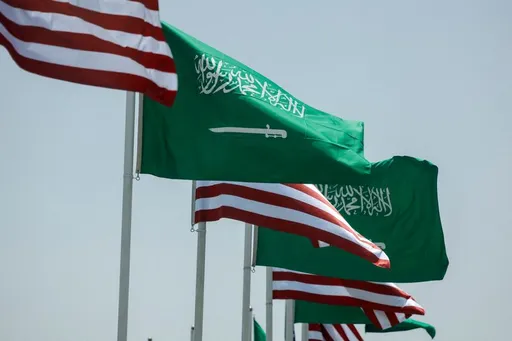
US forces maintain their presence in Qatar, Bahrain, the UAE, Kuwait, and Saudi Arabia through bilateral security agreements, military installations, and bases.
Akinci does not see any direct clash between the existing US security umbrella for Gulf nations and the proposed security framework.
That’s because US forces provide capabilities that the Gulf states still need, particularly air and missile defence, intelligence and deterrence, he says.
A Gulf-Iran framework, however, would address how “neighbours manage incidents” before they turn into a full-blown war.
The recent events in the region have made this distinction clearer, he says.
“Gulf states still want the American military presence, but they have also seen that Washington may not want to take responsibility for every regional confrontation,” he says.
Washington would object if a regional framework was used to “push the US out”. But any framework that reduces the number of crises that require US intervention should raise no objection.
“Gulf states are increasingly looking for more than one security backstop,” he says.
But Caner says any Gulf-Iran security arrangement will be in conflict with US objectives in the region.
“It is simply not feasible for the Gulf states to decouple their security infrastructure entirely from the US and pursue a new security understanding with Iran,” he says.
“If anything, the war has shown us the opposite: far from drifting away from Washington, the Gulf states’ security alliance with the US has only deepened,” he notes.
“I don't believe the US will withdraw from the Gulf altogether and leave the region to an independent security arrangement between the Gulf states and Iran,” he adds.