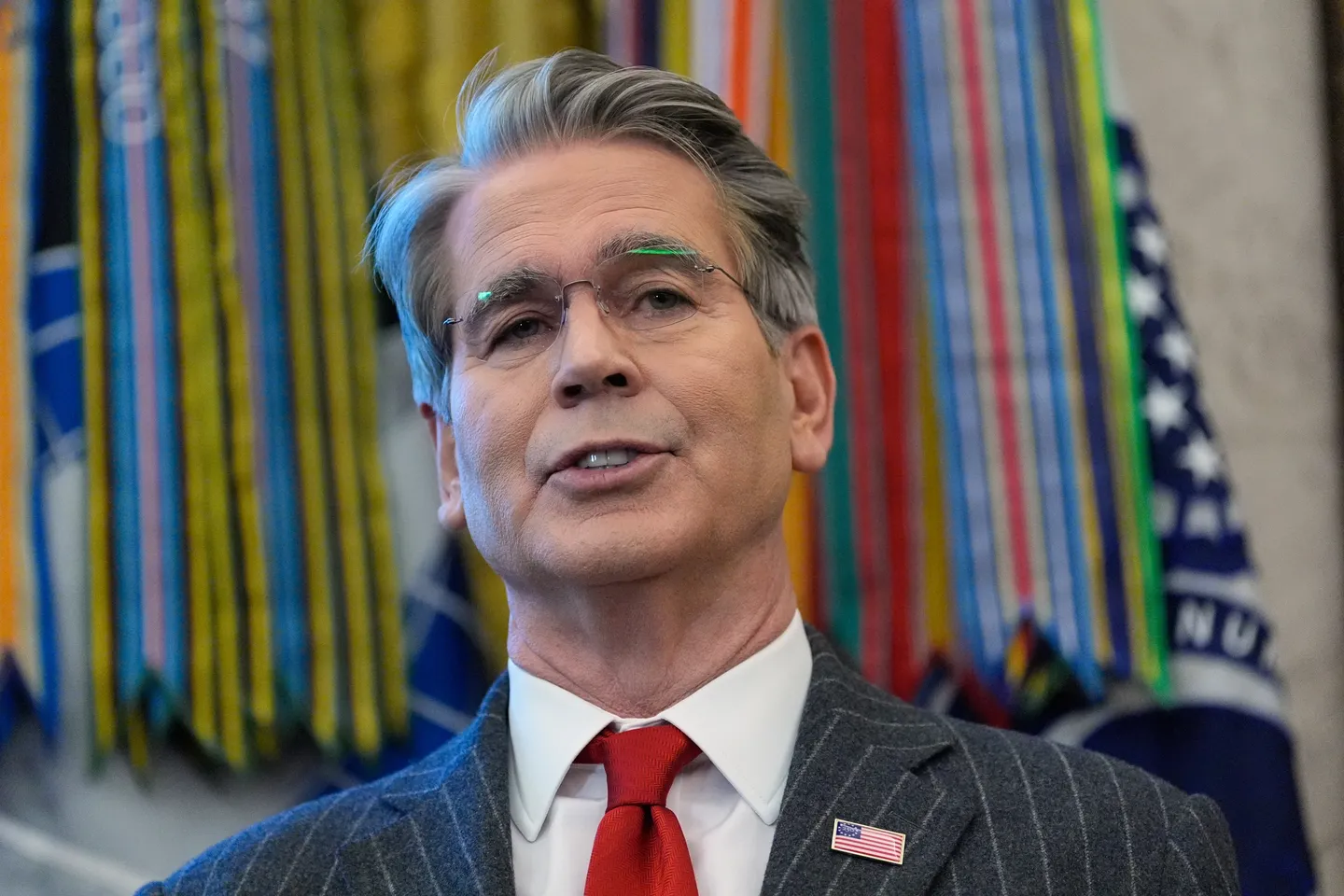
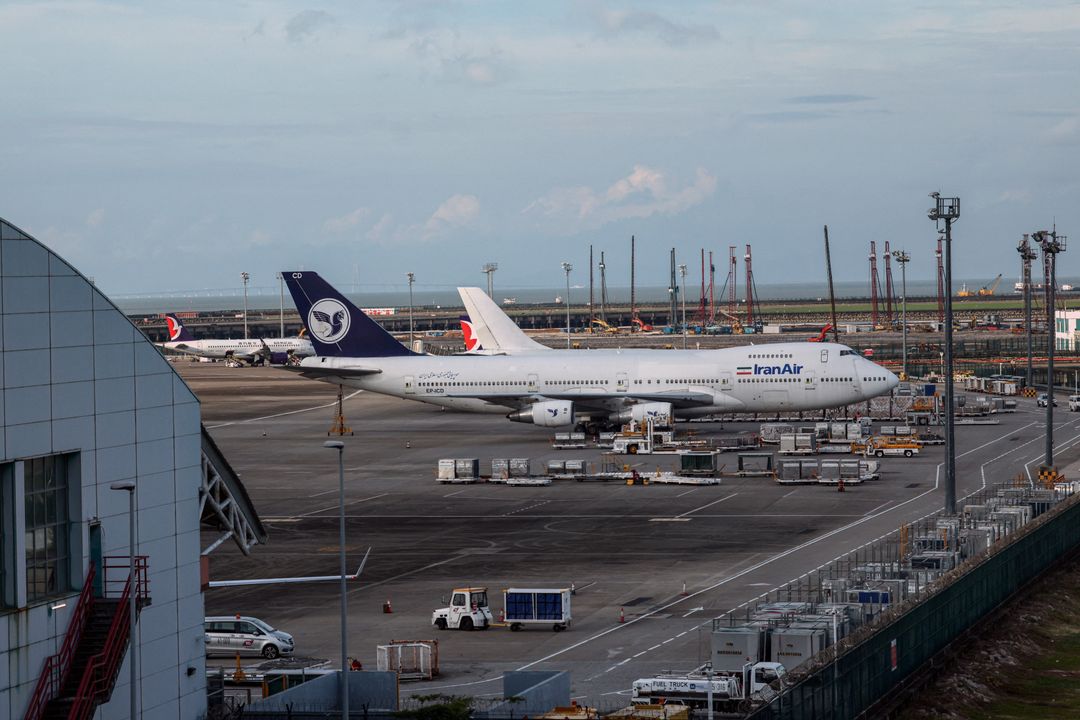
US Treasury Secretary Scott Bessent said that he wondered how the Iranian delegation to the UN General Assembly in New York would return home as American sanctions continued to squeeze the country’s international airline operations.
“In terms of Operation Economic Outcast, we are squeezing the Iranians like they've never seen today,” he said on Wednesday.
He said the campaign was affecting Iran's international air links, claiming that more than 80 percent to 90 percent of external flights from Iran had been shut down.
Bessent also warned financial institutions, companies and other businesses supporting Iran that Washington would target their operations and bank accounts.
"We have made it very clear around the world, whether it's the financiers, the people who are doing business, the people who are supplying the Iranians, we know who you are, you know who you are," he said.
‘Cutting off the financial oxygen’
He described the US strategy as a combination of military action, a naval blockade and financial pressure.
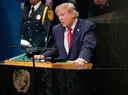
"So we had six weeks of kinetic activity. We have the blockade. And now we have an effort never seen before in terms of constricting and cutting off the financial oxygen to them," he said.
He said Washington's pressure campaign could continue for weeks or months, adding that the US was seeking one of three possible outcomes: divisions within the Iranian leadership, an uprising by the Iranian population, or an agreement under which Tehran would comply with its commitments.
Bessent also said the US had attempted to reach an agreement with Iran earlier in the year but accused Tehran of subsequently escalating attacks in the Strait of Hormuz.
"If there is a deal, I guarantee you they're going to stick with it," he said.
The US launched ‘Operation Economic Outcast’ in August as a broad campaign to isolate Iran economically and target companies, financial institutions and other entities helping Tehran circumvent US sanctions.
The Treasury Department has since expanded the campaign to target Iranian aviation networks, financial institutions and cryptocurrency-related infrastructure.