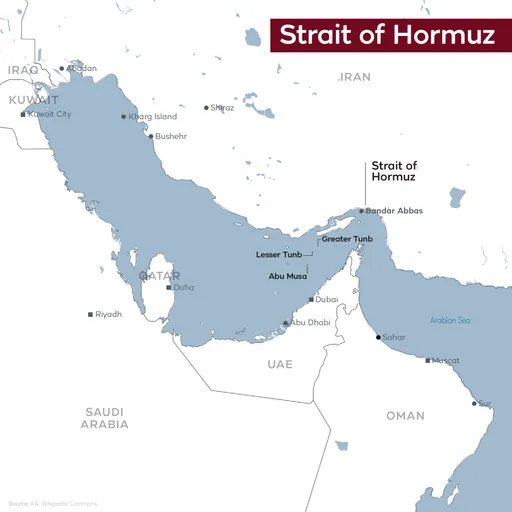
Iran's foreign minister has said that passage for all commercial vessels through the Strait of Hormuz is declared completely open for the remaining period of the ceasefire, in line with the truce in Lebanon.
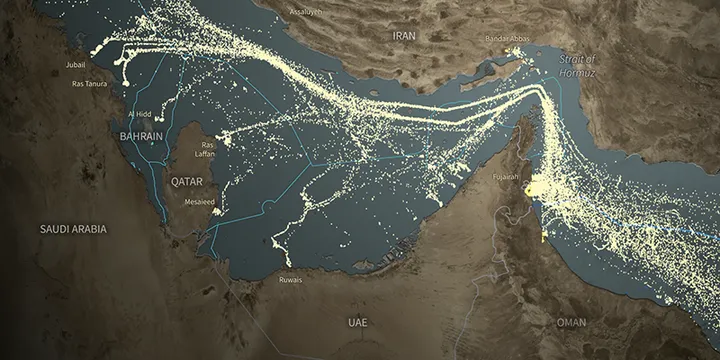
The passage of vessels through the strait will be on the coordinated route as already announced by the Ports and Maritime Organisation of Iran, Abbas Araghchi said on Friday in a post on X.
US President Donald Trump welcomed Iran's announcement.
"THANK YOU!" Trump wrote on Friday on his Truth Social platform, saying that Iran had announced the narrow waterway was "FULLY OPEN AND READY FOR FULL PASSAGE."
But, he said, the US naval blockade of Iranian ports would remain in place until a peace deal with Tehran.
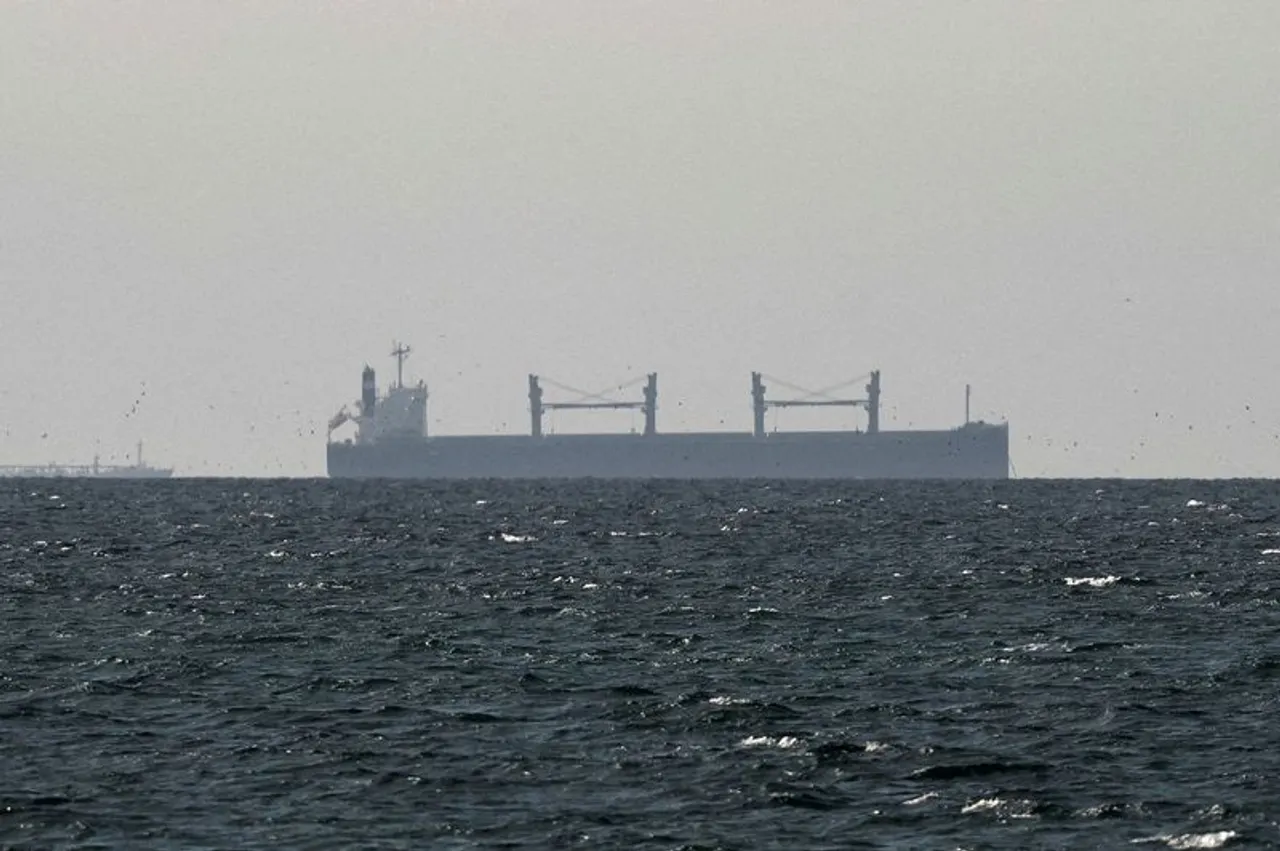
Traffic through the strait has remained extremely thin since the US-Israeli strikes began on Feb. 28, with daily transits mostly staying in single digits apart from a brief rise over the weekend.



The latest US naval restrictions require shipowners to obtain clearance from both Iranian and American authorities to move oil and other goods out of the Gulf, adding to uncertainty over cargo flows.
Although three supertankers carrying non-Iranian crude managed to exit last week, very few cargoes have crossed the waterway over the past seven weeks, even before the blockade was imposed.
The Shalamar tanker had first attempted to enter the Gulf on Sunday, but turned back after US-Iran peace talks collapsed. It later completed the crossing and headed to Das Island, where it loaded crude before departing eastward on Thursday.
The US Central Command said on Thursday that 14 vessels had turned around over the previous three days, suggesting many shipowners remain unwilling to risk passage through the strait under current conditions.
The blockade reportedly stretches from the Omani coast near Ras al Hadd to the Iran-Pakistan border.