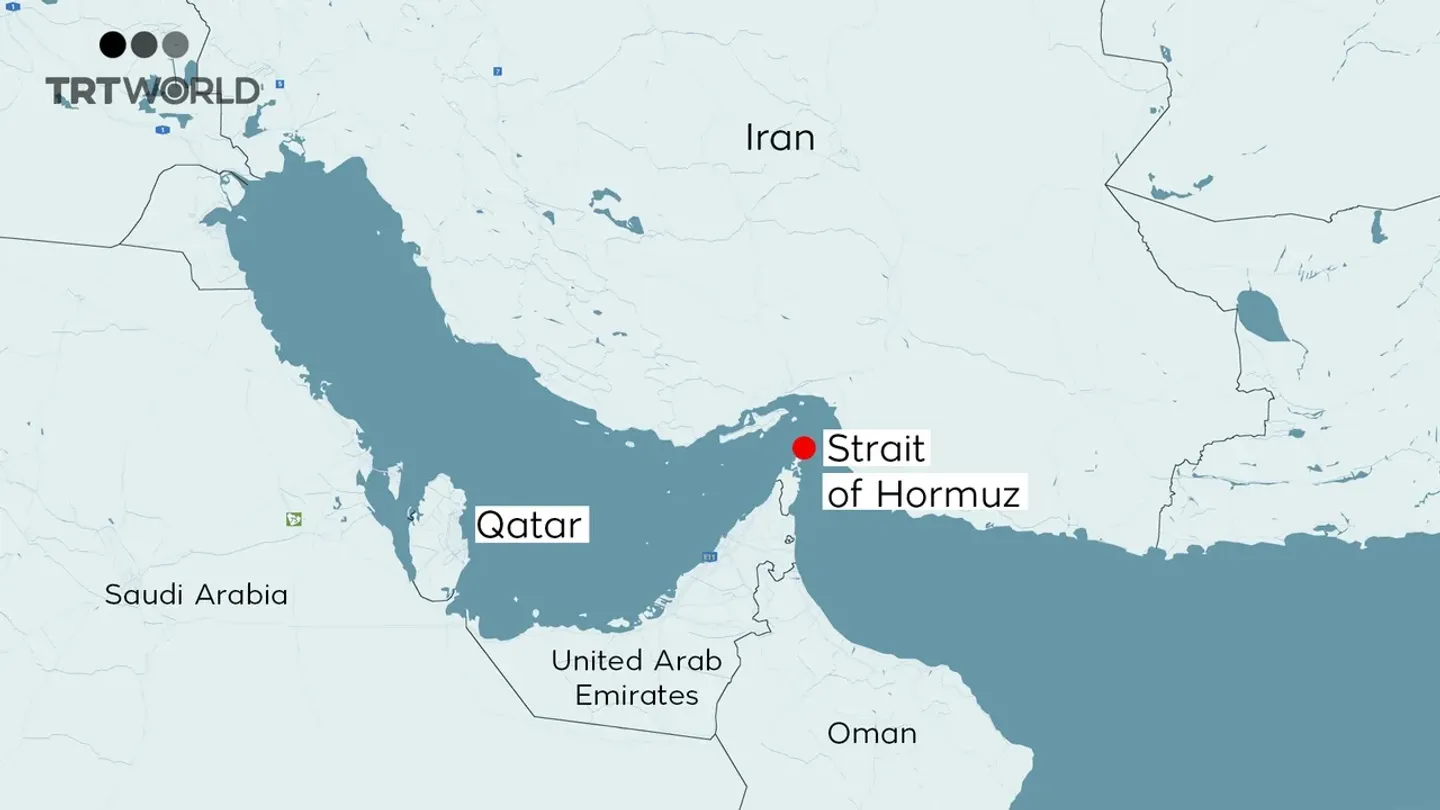
US President Donald Trump has said that he would soon declare the Strait of Hormuz a US territory, while the Iranian government responded by stating that it would not be intimidated by US threats.
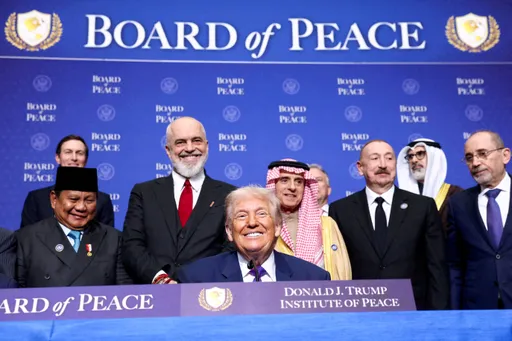
"After we finish defeating Iran, which is being very badly defeated, pretty soon I'll be declaring the Hormuz Strait a territory of the United States," Trump said on Friday at the new Nassau County Police Academy in Garden City, New York.
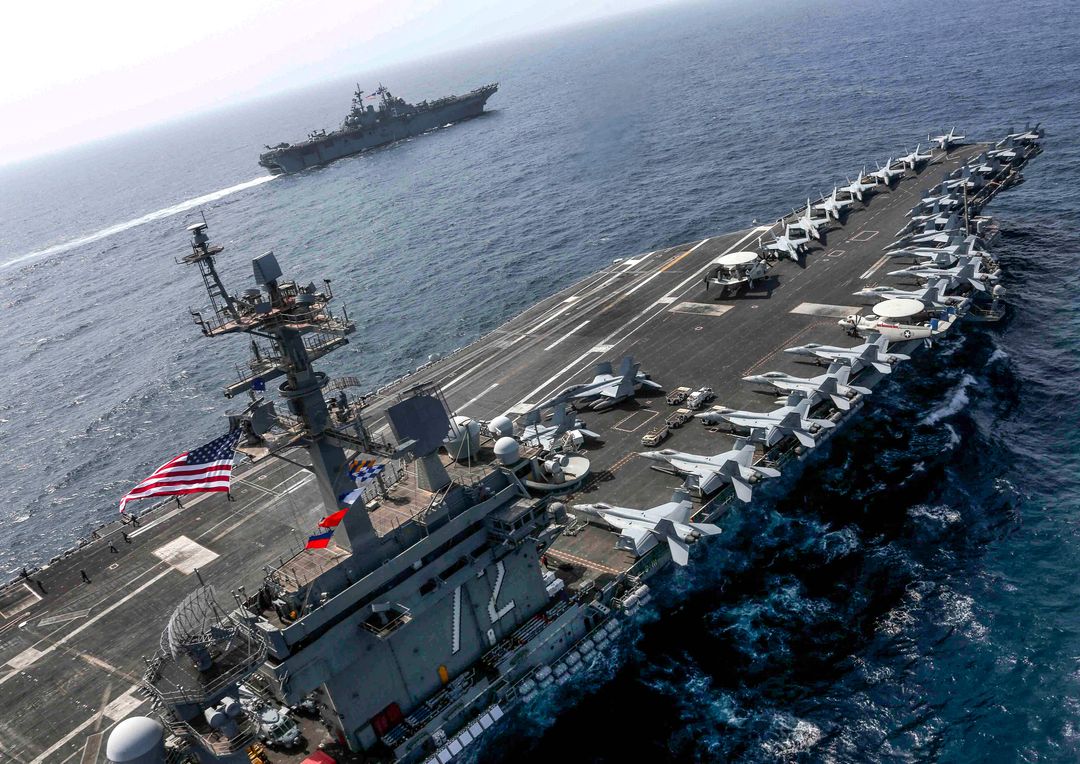
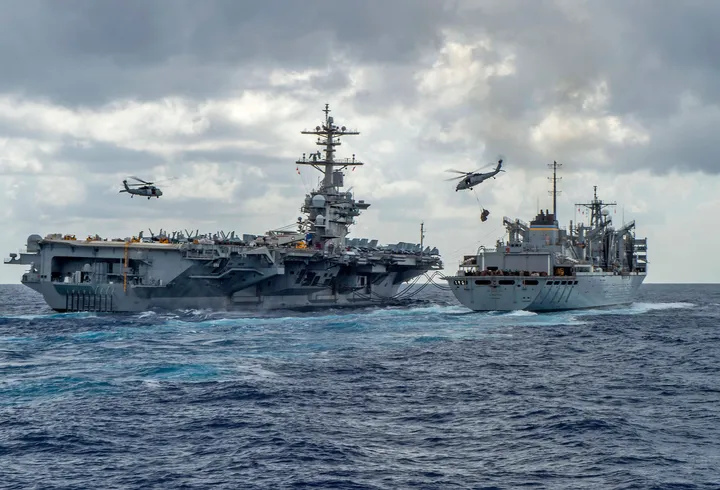
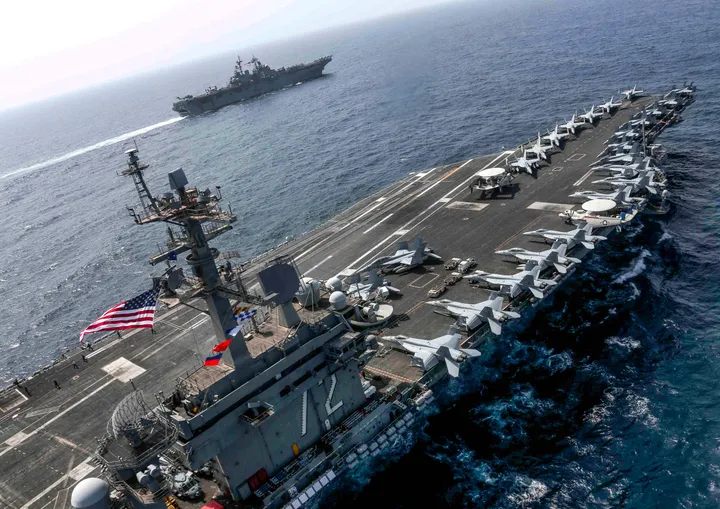
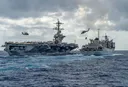
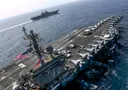
Trump also said the US blockade of the strategic waterway remains in place, adding that "no ships get through unless we want them to."
He said that Iran's leadership has been decimated by the war, adding: "That's one of my problems: is nobody to negotiate with."
"It is a problem. I said, 'Are you sure this guy's okay?' It's the only country in the world where nobody wants to be president," Trump said.
On rising gas prices tied to the war, Trump said: "So for you to pay a tiny little bit more for your gasoline, just remember you're doing it so that a very evil country cannot have — the number one state sponsor of terror in the world, we don't want to have them have a nuclear weapon."
Iranian military officials, however, disputed US control over the waterway, with Iran’s central military command on Thursday calling the claims "baseless lies and fabrications."
Iran responds to Trump's statement
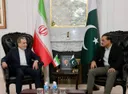
Responding to Trump's Friday remarks, Iran's Deputy Foreign Minister Kazem Gharibabadi said that Tehran would not be intimidated by threats or a show of force by Washington.
Gharibabadi said in a post on X that the strategic waterway of Hormuz would only be opened or closed under Iran's authority.
As of August 12, in the 166 days since the war began, 3,371 vessels have crossed the strait, around 20 percent of pre-war traffic volumes, according to data from Kpler, a commodities and shipping data analytics firm, cited by CNN.
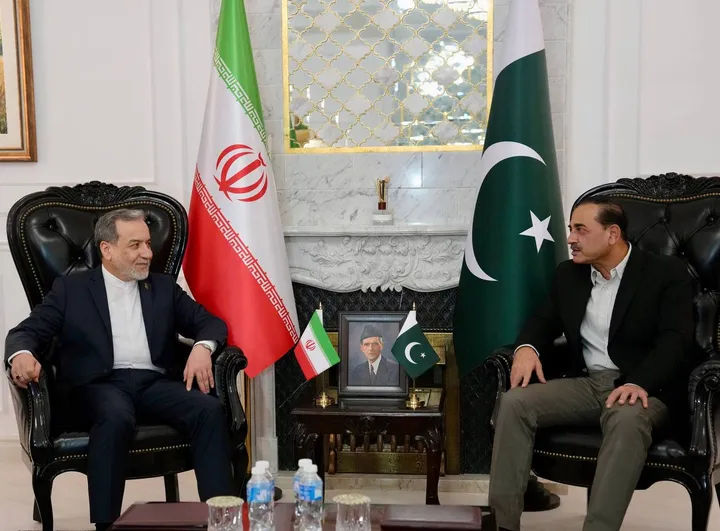
The US and Iran agreed to a Pakistan-brokered ceasefire in April and later signed a deal on June 17, launching negotiations toward a final agreement.
But the talks later stalled over disagreements on security guarantees and freedom of navigation through the Strait of Hormuz, one of the world's most strategic routes for global energy supplies and trade.
From July 8 to 24, the US and Iran exchanged more military strikes, with Washington launching attacks inside Iran.
Tehran responded by striking what it described as US military facilities and equipment in several Arab countries, including Jordan, Bahrain and Kuwait.