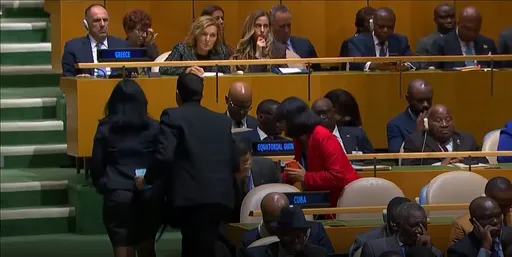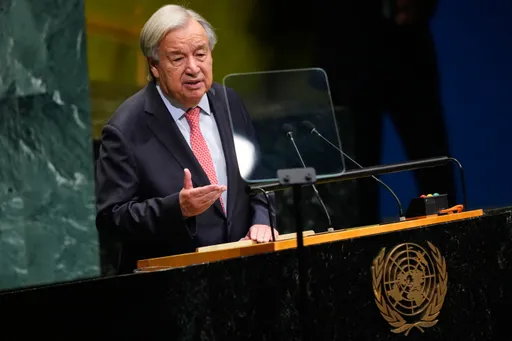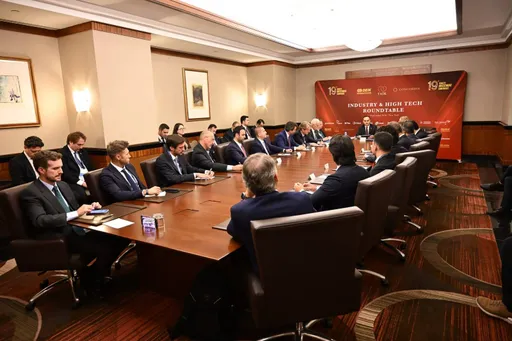
The Organisation of Islamic Cooperation's (OIC) Contact Group on disputed Kashmir met on Tuesday on the sidelines of the ongoing UN General Assembly session in New York, reaffirming its support for the Kashmiri people's right to self-determination.
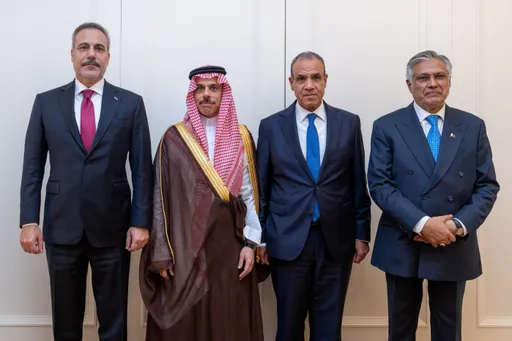
The foreign ministers and senior officials of the contact group's member states – Azerbaijan, Pakistan, Türkiye, Saudi Arabia, and Niger – attended the meeting, the OIC said in a statement.
OIC Secretary-General Ismail Ould Cheikh Ahmed reaffirmed the organisation's commitment to supporting the Kashmiri people's "inalienable" right to self-determination, as a foundation for a "just and lasting" peace in South Asia, in accordance with UN Security Council resolutions and the principles of international law.
In a joint statement, the group expressed "serious" concerns over the "continued detention and denial of bail" of prominent Kashmiri leaders, Yasin Malik, Asiya Andrabi, and Shabbir Shah, who has been diagnosed with cancer, according to Pakistan's foreign ministry.
‘Continuing’ restrictions
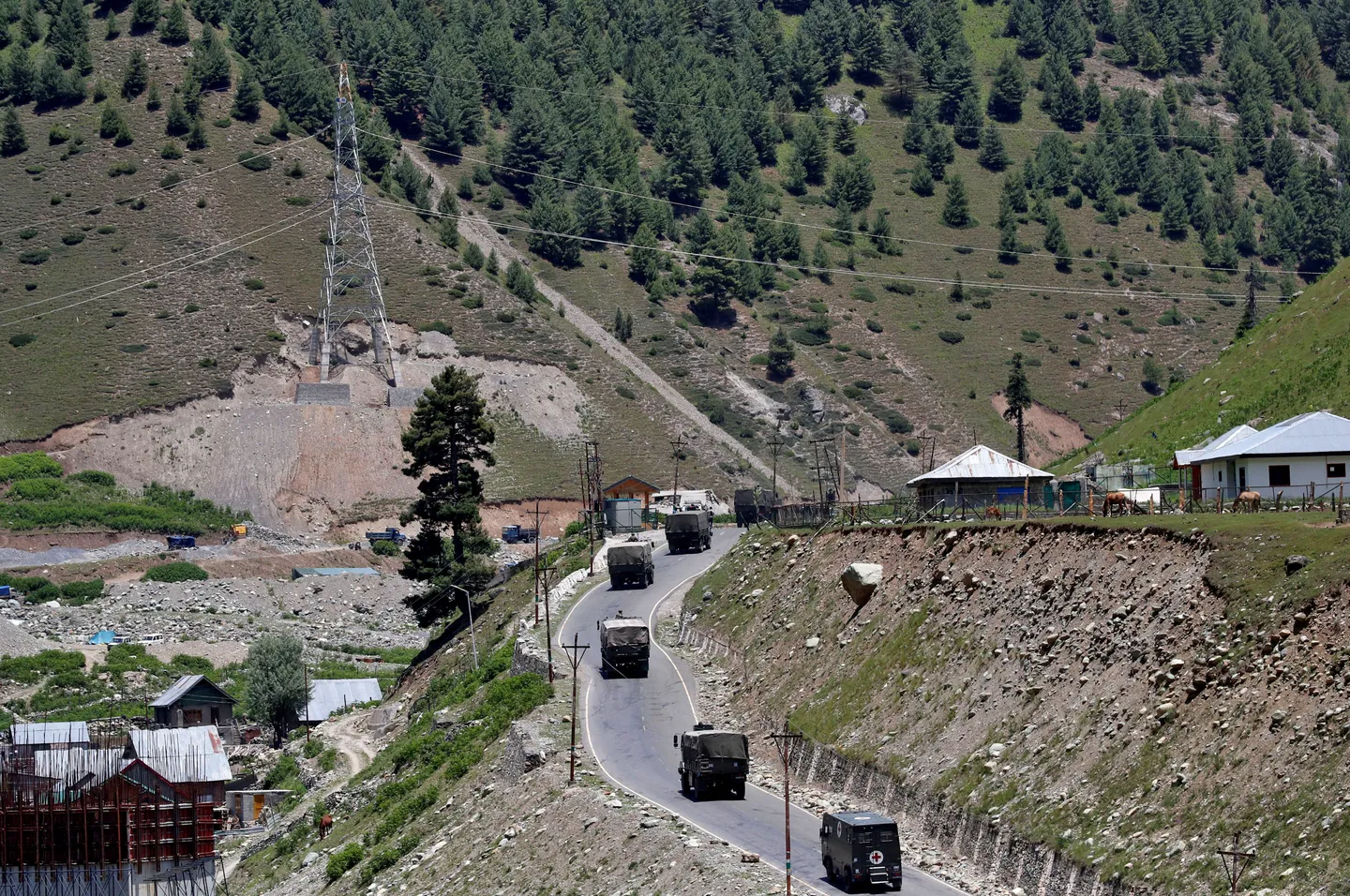
The group expressed solidarity with the government and people of Pakistan and indicated deep concern over military escalation in the South Asian region in May 2025, including the "unlawful and unwarranted" strikes carried out on multiple locations in Pakistan and Pakistan-administered Kashmir. They also stressed the need to exercise maximum restraint and avoid actions that would destabilise the region.





There was no reaction from India to the statement from the OIC on Kashmir.
The group welcomed the ceasefire between Pakistan and India following military escalation and expressed their appreciation for "the constructive efforts made by all countries to mediate and bring the two parties together to reach this agreement."
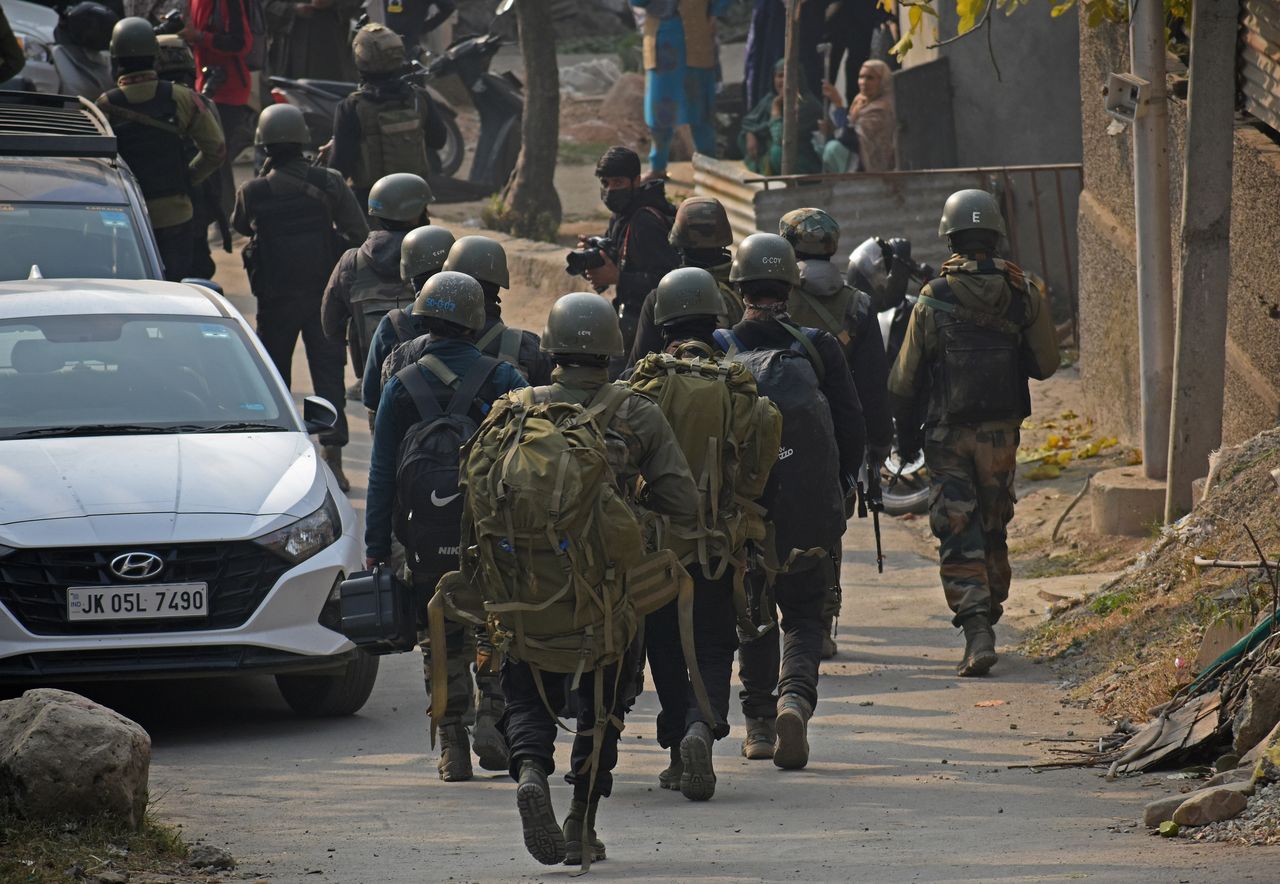
Pakistan's top diplomat Ishaq Dar highlighted the "continuing" restrictions on political and civic space in the disputed valley and "attempts to alter its demographic, political, and cultural character."
He said that Kashmir remains an internationally recognised dispute on the agenda of the UN Security Council and stressed that no domestic legislation, judicial verdict, electoral exercise, or demographic manipulation could substitute for the Kashmiri people's inalienable right to self-determination.
The disputed region has been a key bone of contention between Pakistan and India since 1947. The two nuclear rivals have fought three full-scale wars - two of them over Kashmir in 1948 and 1965 - in addition to the Kargil skirmish in 1999.