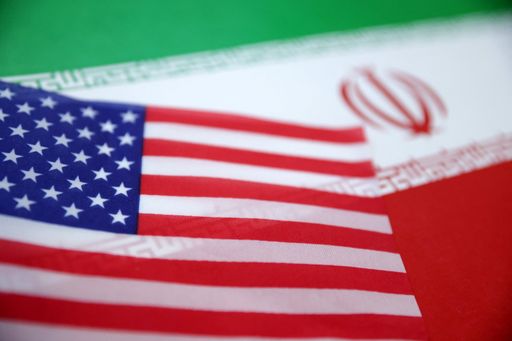
International reactions are continuing to emerge following the US-Iran ceasefire agreement, with more countries voicing cautious support for the two-week truce, urging restraint and emphasising the need to build momentum towards a lasting diplomatic settlement.
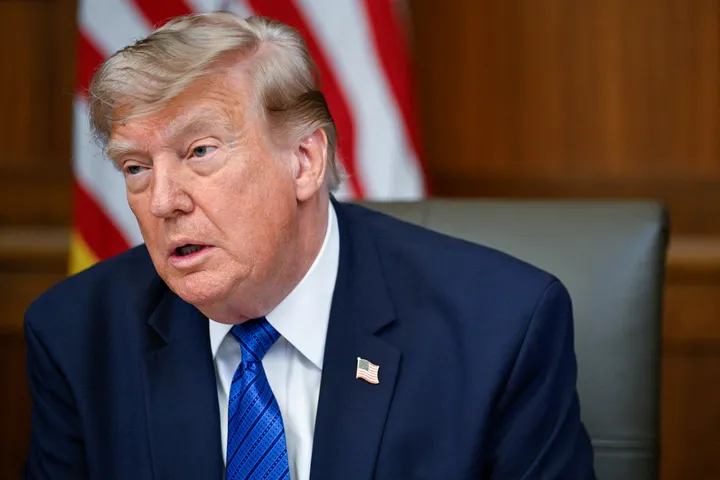
The United States and Iran agreed to a two-week ceasefire barely an hour before President Donald Trump's Wednesday deadline to obliterate the country, triggering global relief alongside apprehension.
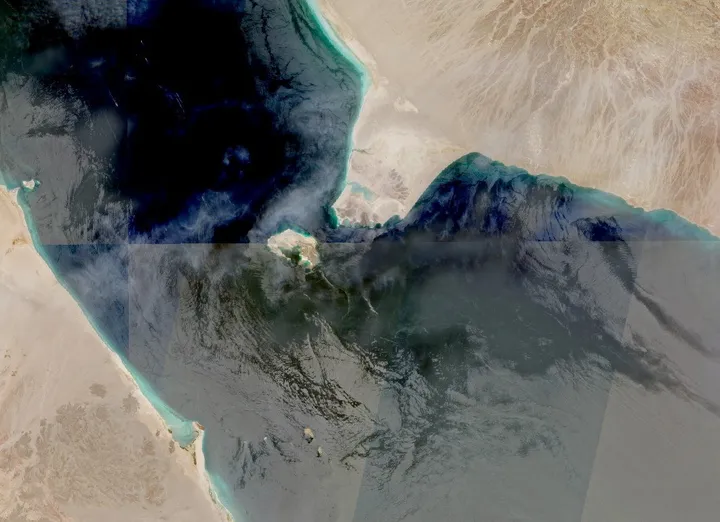
Tehran has agreed to temporarily reopen the Strait of Hormuz, through which much of the world's oil, gas and fertiliser passes, easing concerns for the battered global economy.
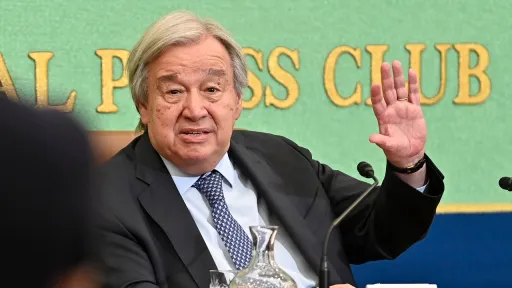
While the announcement was broadly welcomed internationally, much work remained to prevent a return to fighting, with UN chief Antonio Guterres calling for all parties to "pave the way towards a lasting and comprehensive peace".
Türkiye
Ankara welcomed the development with the Turkish Foreign Ministry emphasising in a statement that “the temporary ceasefire must be fully implemented on the ground and hopes that all parties will adhere to the agreement reached.”
The statement said that a path to lasting peace can only be achieved through dialogue, diplomacy and mutual trust, adding: “We will continue to provide all necessary support to ensure the success of the negotiations to be held in Islamabad.”
Türkiye also congratulated Pakistan for its role in the process and wished the continuation of all initiatives contributing to peace.
Pakistan
Pakistan's Prime Minister Shehbaz Sharif welcomed what he described as a "sagacious gesture" and expressed gratitude to the leadership of both countries.
He invited delegations from both sides to Islamabad on April 10 for further negotiations aimed at reaching a final agreement.
"I warmly welcome the sagacious gesture and extend deepest gratitude to the leadership of both the countries and invite their delegations to Islamabad... to further negotiate for a conclusive agreement to settle all disputes," he said.
Russia
Dmitry Medvedev, the deputy chair of Russia's Security Council, said on Wednesday that the US-Iran ceasefire showed that common sense has prevailed, but that "there'll be no cheap oil".
China
China on Wednesday welcomed the US-Iran ceasefire, saying that Beijing also made "efforts" to halt the fighting.
Beijing welcomed efforts made by the Pakistani side, Chinese Foreign Ministry spokesperson Mao Ning said during a routine news conference in Beijing, in response to a question by Anadolu.
China "advocates for a ceasefire and resolving the conflict through political means to achieve long-term stability in the Gulf and Middle East region," Mao said. Beijing "made its own effort in this regard," she added.
Malaysia
Malaysian Prime Minister Anwar Ibrahim welcomed what he described as a “positive development,” referencing a proposed 10-point plan by Iran that has been received favourably by Washington.
"This proposal augurs well for the restoration of peace and stability, not only to the region but also the rest of the world," he wrote on US social media company X.
Anwar emphasised that any lasting resolution should extend beyond Iran to include stability in Iraq, Lebanon, and Yemen, while also calling for an end to the humanitarian crisis in Gaza.
He praised Pakistan Prime Minister Shehbaz Sharif for “tireless and courageous diplomacy,” highlighting Islamabad’s role in engaging all sides.
Japan
Meanwhile, Japan’s Chief Cabinet Secretary Minoru Kihara described the ceasefire as a “positive move,” stressing that meaningful de-escalation remains a top priority, according to Kyodo News.
Tokyo expressed hope that the temporary truce would lead to a final and lasting agreement.
Australia
Australia also welcomed the agreement by the US, Israel, and Iran, with Prime Minister Anthony Albanese saying on Wednesday that it offers a chance to negotiate a resolution to the conflict in the Middle East.
"We have been clear the longer the war goes on, the more significant the impact on the global economy will be, and the greater the human cost," Albanese said in a statement.
Canberra added that it has been working closely with international partners to support diplomatic efforts aimed at reopening the vital shipping route and ensuring essential supplies reach vulnerable populations.
New Zealand
New Zealand Foreign Minister Winston Peters on Wednesday welcomed the two-week ceasefire deal while emphasising that significant work remains to secure a durable resolution.
"While this is encouraging news, there remains significant important work to be done in the coming days to secure a lasting ceasefire," Peters wrote on X.
Oman
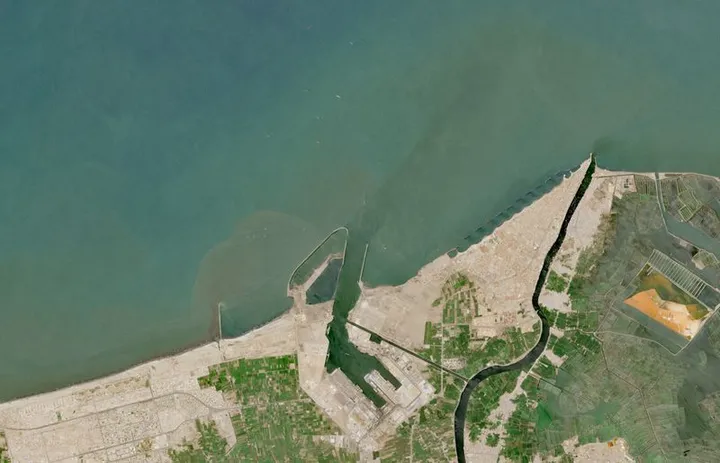
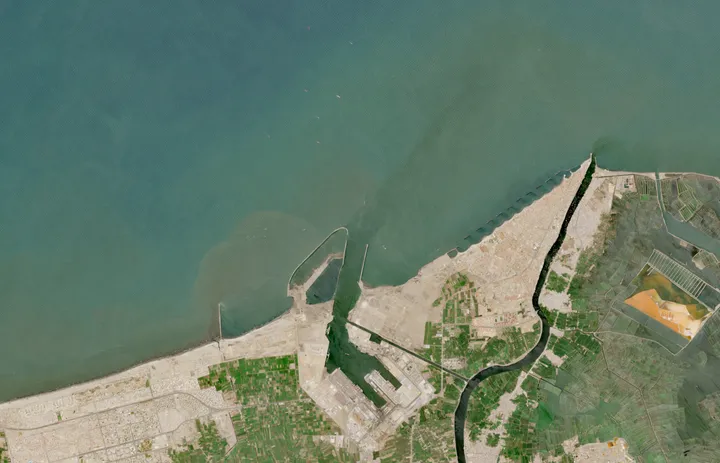




Oman on Wednesday welcomed the announcement, calling for intensified efforts to achieve a lasting resolution to the conflict.
In a statement, Oman’s Foreign Ministry expressed appreciation for mediation efforts, particularly those led by Pakistan, as well as other parties working to end the war.
The ministry emphasised the importance of building on the ceasefire to address “the root causes of the crisis” and ensure a permanent end to hostilities in the region.
UAE
A top Emirati official on Wednesday said his country had emerged victorious from the US-Iran war after the two nations announced a two-week truce.
“The UAE emerged victorious from a war we sincerely sought to avoid,” presidential adviser Anwar Gargash said in a post on X.
“Today, we are poised to navigate a complex regional landscape with greater resources, deeper understanding, and a more robust capacity to influence and shape the future,” he added.
Egypt
Egypt on Tuesday welcomed the development, describing it as a “critical opportunity” to advance negotiations.
In a statement, the Foreign Ministry said that the suspension of military operations by the US, along with Iran’s response, represents a significant opportunity that should be seized to open the door for negotiations, diplomacy and constructive dialogue.
The statement also underscored the importance of “respecting the sovereignty, unity and territorial integrity” of Gulf Cooperation Council countries and Jordan, rejecting any violations, and emphasising that their security and stability are closely tied to Egypt’s own security.
Iraq
Iraq welcomed the announcement on Tuesday, saying the development would help “strengthen security and stability” in the region.
In a statement, the Foreign Ministry said it “welcomes the announcement of a ceasefire between the United States and Iran” and described it as a step that would “reduce tensions, enhance prospects for calm, and strengthen security and stability” in the region, according to the Iraqi News Agency (INA).
The ministry affirmed its support for “any regional and international efforts” that contribute to containing crises and prioritizing dialogue and diplomacy, stressing the importance of full adherence to the ceasefire and avoiding any actions or escalation that could reignite tensions.
Saudi Arabia
Saudi Arabia welcomed the ceasefire, expressing support for the 2-week de-escalation while stressing the urgent need to ensure that the Strait of Hormuz remains open to navigation without restrictions.
Germany
German Chancellor Friedrich Merz on Wednesday welcomed the announcement.
"I welcome the two-week ceasefire agreed by the United States and Iran last night. We thank Pakistan for its mediation," Merz wrote on US social media platform X.
He noted that the aim is now to negotiate a "lasting end to the war."
"We are in close coordination with our partners on this matter," Merz added.
Britain
UK Prime Minister Keir Starmer welcomed the ceasefire agreement “which will bring a moment of relief to the region and the world," a statement from Starmer's office quoted him as saying.
"Together with our partners we must do all we can to support and sustain this ceasefire, turn it into a lasting agreement and re-open the Strait of Hormuz."
France
President Emmanuel Macron on Wednesday welcomed the ceasefire between the US and Iran, calling the agreement a "very good thing."
"We expect, in the coming days and weeks, that it will be fully respected throughout the region and will allow negotiations to take place," Macron said at the start of a meeting of top defence and security officials.
"Our wish is to ensure that the ceasefire fully includes Lebanon," he added.
Spain
The world came "perilously close" to disaster after US President Donald Trump threatened to wipe out Iranian civilization in his ultimatum to Tehran, Spain's foreign minister said on Wednesday following the announcement of a ceasefire.
Jose Manuel Albares told RNE radio station that Trump's ultimatum was "absolutely unassumable for humankind" and it was too early to determine whether the conflict was definitively over.
"When the leader of a military superpower makes such threats, I take them seriously," he added.
Israel
Israel's prime minister sought to undermine the agreement, backing US President Donald Trump's decision to suspend strikes for two weeks while attaching conditions to the pause.
In a statement, he said Israel supports the move only if Iran immediately reopens the Strait of Hormuz and halts attacks on the US, Israel and countries in the region.
He added that Israel backs US efforts to ensure that Iran no longer poses a nuclear, missile or what it described as a "terror threat" to the region and beyond.
The statement also said Washington has reaffirmed its commitment to these objectives in upcoming negotiations.
It further noted that the two-week ceasefire does not include Lebanon.