 Nazmus Sakib
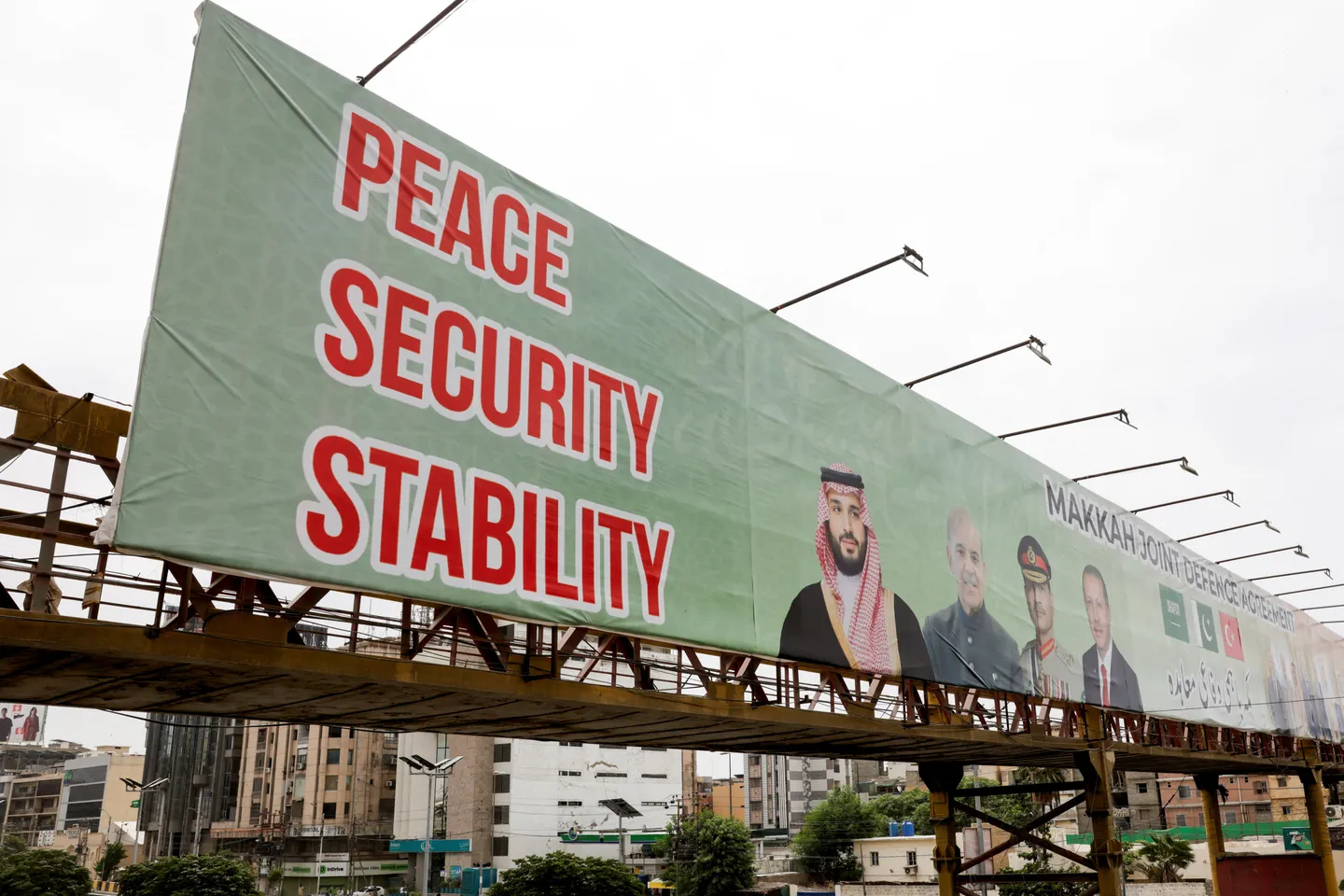
Bangladesh would consider joining the Mecca defence pact if invited by its existing members, Foreign Minister Khalilur Rahman told parliament last week, a prospect that has raised security concerns in New Delhi.
Dhaka, however, has stressed that no formal invitation has been made and that any decision would depend on the pact’s members' intentions.
But the more important question is what Bangladesh brings to the alliance. It offers Ankara, Islamabad, and Riyadh more than most prospective new members, so alliance members can negotiate accordingly.
Start from first principles. Military alliances among nation-states are not necessarily expressions of civilisational solidarity; they are security supplier-buyer transactions in an anarchic international system.
Bangladesh’s bid should be equally instrumental—what can Bangladesh offer that the founding three would like to buy, and what does membership bring Bangladesh in hard-security terms?
No security dilemma
For many years, Bangladesh ranked among the top contributors to UN peacekeeping, at times deploying roughly 5,500 to 7,000 uniformed personnel across multiple missions, building on decades of institutional experience.
It has effectively made UN peacekeeping a military specialisation.
Its forces have gained operational experience in challenging environments, including aviation, medical evacuation, and engineering.
A Bangladeshi aviation unit in the Democratic Republic of Congo has logged more than 39,000 accident-free flight hours while transporting troops, equipment, and casualties.
Washington’s funding retrenchment on UN peacekeeping has made that revenue and training pipeline precarious, and Dhaka needs a replacement patron for the same capability.
If the pact eventually establishes rotational forces, base-security contingents, or wartime reinforcement mechanisms, Bangladesh could contribute substantial personnel at a lower opportunity cost.
It can field an expeditionary or standby force at effectively zero opportunity cost to its own defence posture, precisely the kind of asymmetric contribution that makes a partner valuable rather than a liability.
After the US retreat from UN contributions, if negotiated properly with the capital-rich member Saudi Arabia, this could be Bangladesh’s golden opportunity to replace, in short order, the significant cash flow its military personnel are used to receiving from UN PKOs.
None of the three members sits on the Bay of Bengal or has a foothold near the Malacca chokepoint.
For an alliance, ports mean logistics, replenishment, surveillance, and access. Proximity can also extend denial capability.
A defence pact with Dhaka gives Ankara and Islamabad a logistics and access point into the eastern Indian Ocean—port calls, training exchanges, potential rotational access—without the cost of a formal base.

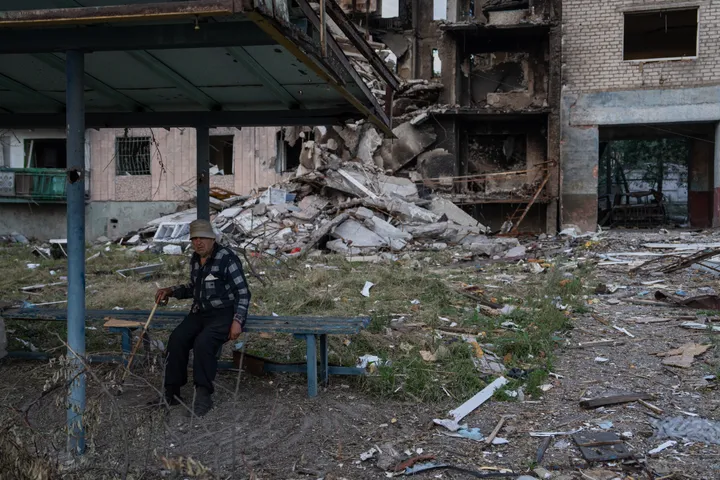




Widely read as an implicit hedge against Indian primacy in the region, the pact would provide real strategic depth and, for Islamabad particularly, the option to open an Eastern Front against its nemesis in the event of war.
Bangladesh’s armed forces are modernising and under-equipped relative to their size.
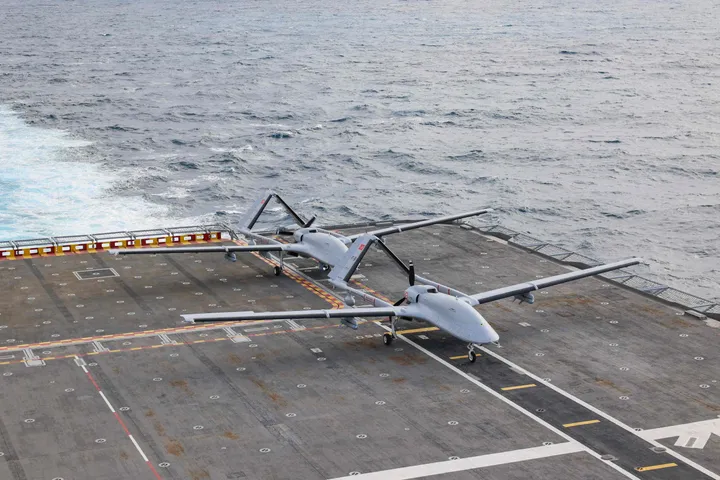
Türkiye’s drone, land-systems, and naval industries and Pakistan’s burgeoning fighter-jet industry need export markets beyond their saturated existing client bases.
After the 2024 fallout with New Delhi, Dhaka suddenly discovered that its defensive arsenal needs a fresh start.
For defence manufacturers in Türkiye and Pakistan, Bangladesh offers a large, stable buyer with no competing domestic defence lobby to protect—an easier sale than most Gulf or Central Asian markets, and one that locks in interoperability over the following decade.
On the economic side, two levers matter more than aid or trade communiques.
Labour as leverage
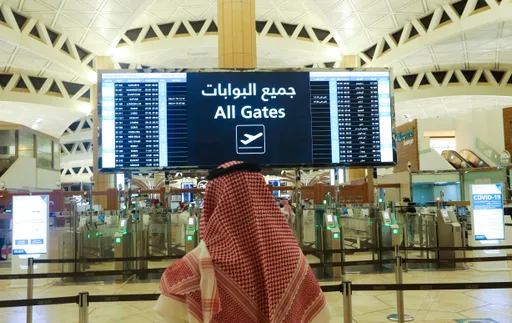
Nearly three and a half million Bangladeshis work in Saudi Arabia alone, making Bangladeshis the Kingdom’s largest expatriate group, while Saudi Arabia is also Bangladesh’s largest source of remittances: Bangladesh Bank data show $5.85 billion in inflows in FY2025–26.
A security relationship gives Dhaka standing to negotiate labour quotas, wage protections, and visa stability as part of the package, rather than begging for them bilaterally with no leverage.
That converts a demographic fact—millions of already-present workers—into a bargaining chip states rarely get to use.
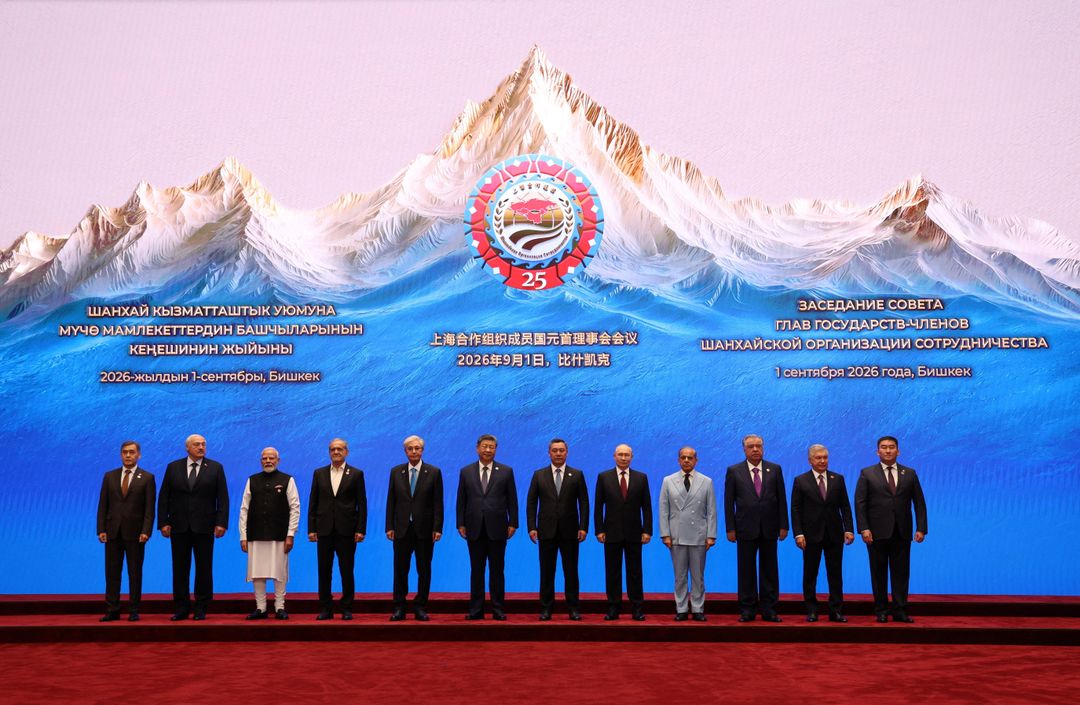
Bangladesh’s export base is dangerously concentrated in Western garment markets now facing tariff pressure.
Saudi Vision 2030 capital and Turkish industrial investment are underexploited alternatives.
A defence-adjacent, labour-intensive partnership tends to open the door to sovereign wealth allocation and joint-venture manufacturing that a trade ministry alone cannot negotiate—security ties historically precede, not follow, large capital flows in this region.
Bangladesh can supply battle-tested boots on the ground, geography, and a defence-industrial market that Türkiye, Pakistan, and Saudi Arabia can benefit from, and it should price that contribution in hard currency—air-defence cooperation, extended-deterrence guarantees, intelligence sharing, joint production, assistance in creating a survivable retaliatory capability, easier drone and arms transfers, and negotiated labour terms for its top remittance earners.
For Bangladesh, the pact could convert assets it already possesses into capabilities it still lacks. The moment to extract that price is now, while the pact is expanding and hungry for members who add to burden-sharing rather than becoming the burden.
Bangladesh’s accession to the Mecca Pact can be win-win for everyone.