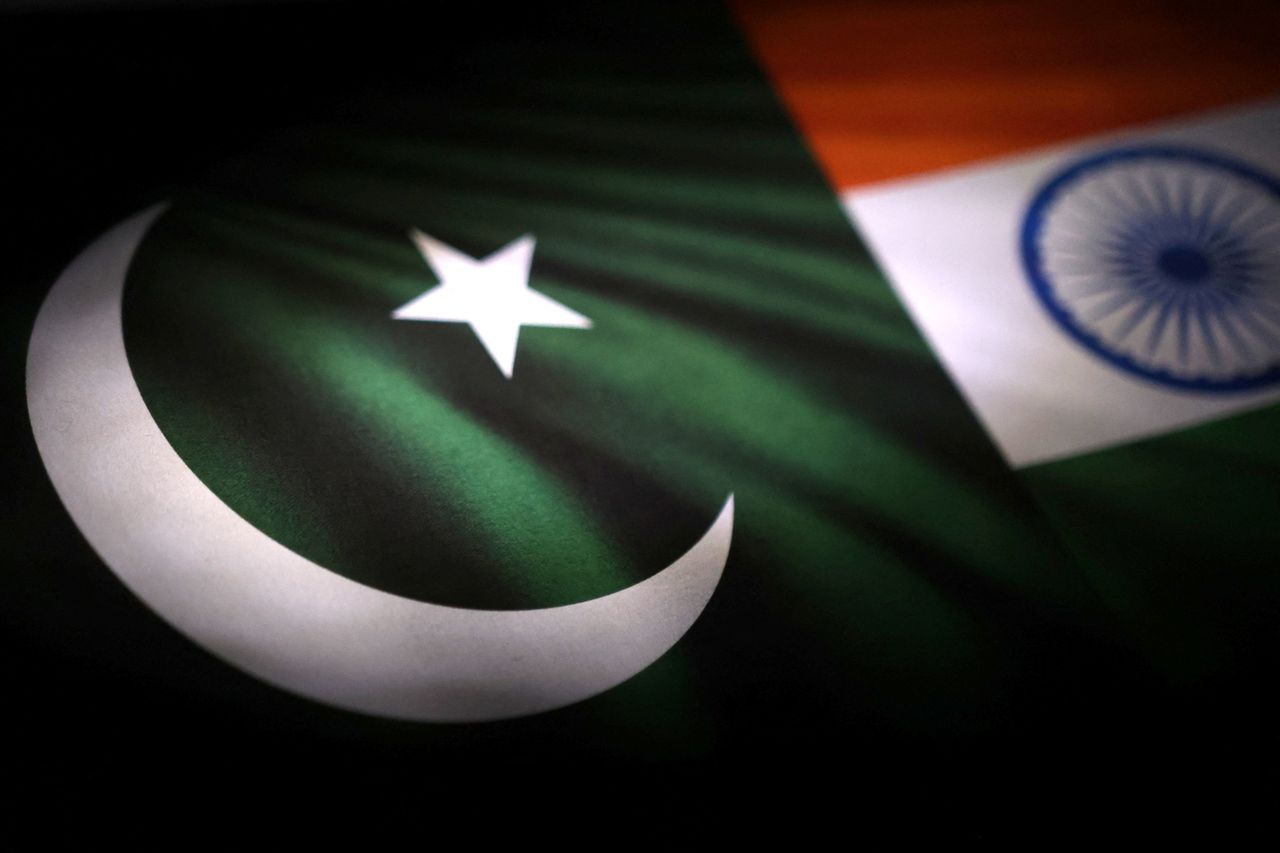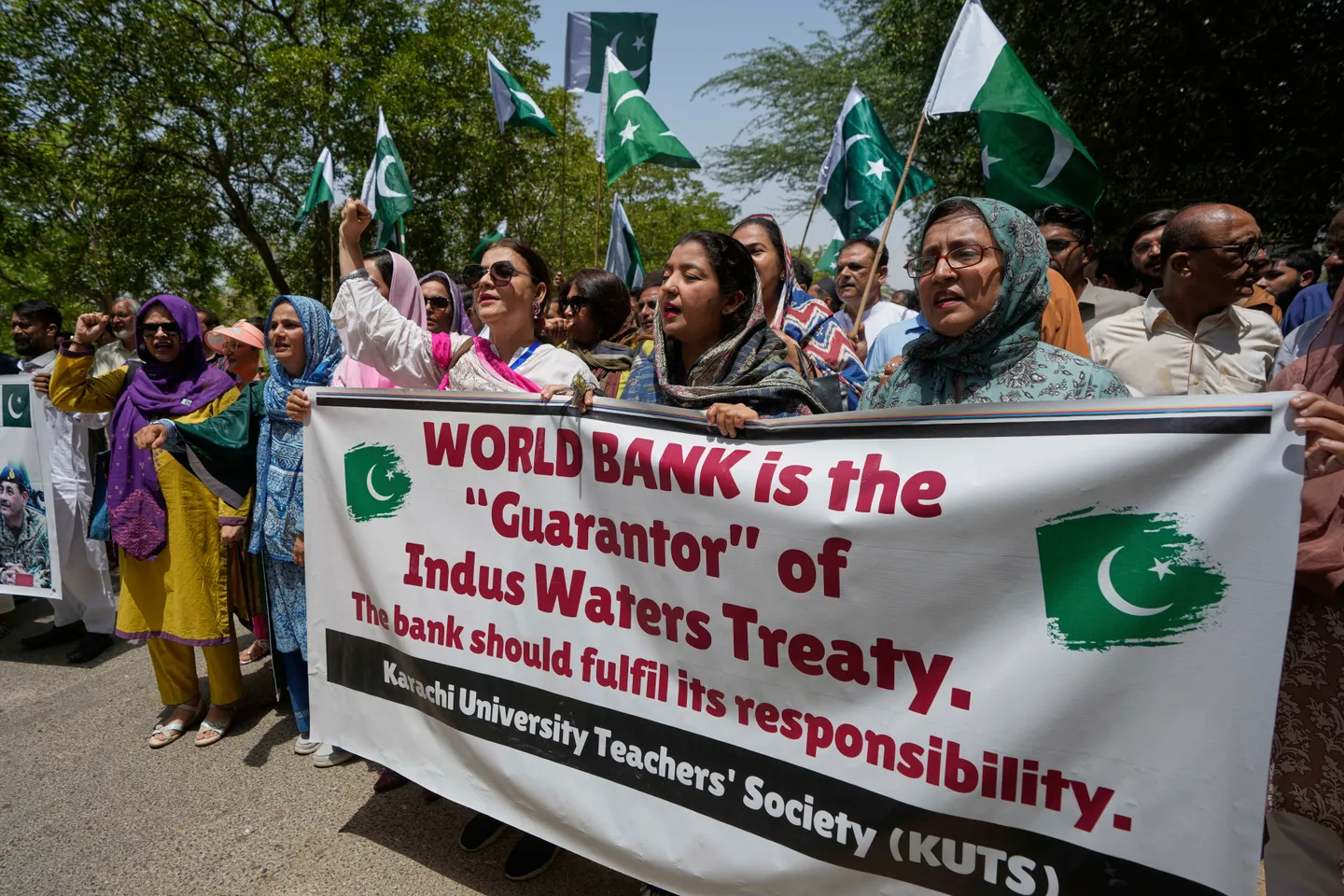
Pakistan has warned that any attempt by India to restrict water flows in violation of the Indus Waters Treaty (IWT) would endanger regional stability and have serious consequences.
Foreign ministry spokesperson Tahir Andrabi said on Thursday that any effort to curtail water vital for the livelihood of millions of Pakistanis would be “a deeply irresponsible act” that threatens peace in South Asia and beyond, and the responsibility for such a threat to international peace and security would fall squarely on India's shoulders.
“Pakistan's rights and interests in respect of its water resources are non-negotiable. We will vigorously defend those rights through all available diplomatic, legal, political, economic, and other measures consistent with international law in the UN Charter,” Andrabi told reporters in Islamabad.
"Any such act would be treated with utmost seriousness and could amount to an act of war under Article 51 of the UN Charter," he said, warning any deliberate attempt to block water essential to Pakistan's survival and development "would constitute an extremely grave act with far-reaching consequences."
The comments came after Indian water minister CR Patil said in an interview that New Delhi was working to ensure that “not a single drop of water” would flow into Pakistan in the coming years.
"I believe the work is proceeding in a time-bound manner, and the flow of Indus water to Pakistan will stop, as I can say. Not a single drop of water will certainly go in the coming years; I can tell you that much,” he said.
The Indus Waters Treaty governs the use of six rivers that originate in India and flow into Pakistan, providing water to hundreds of millions of people across the Indus basin.





In April last year, New Delhi held the IWT in abeyance following an attack in India-administered Kashmir’s Pahalgam that killed 26, blaming it on Islamabad without providing any evidence.
Pakistan rejected the claims and said any attempt to suspend its water share would be considered an “act of war", noting the treaty could not be unilaterally suspended.
The two arch-rivals later engaged in four days of cross-border armed clashes in May before US President Donald Trump brokered a ceasefire.
Last month, the Hague-based Permanent Court of Arbitration reaffirmed key limits on India’s ability to control water flows on the western rivers.
The IWT divided the six rivers of the Indus Basin between the two countries. While India received the three eastern rivers, namely the Sutlej, Beas, and Ravi, Pakistan was assigned control over the three western rivers: Indus, Jhelum, and Chenab.
Pakistan says India’s planned hydropower dams will cut flows on the river, which feeds 80 percent of its irrigated agriculture.