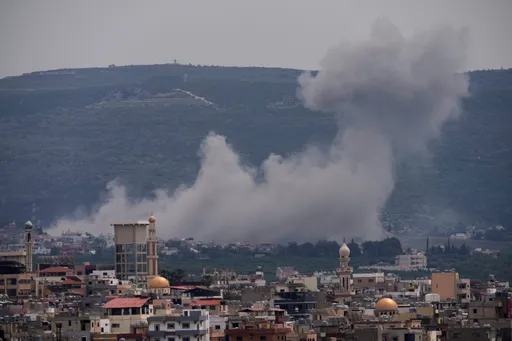
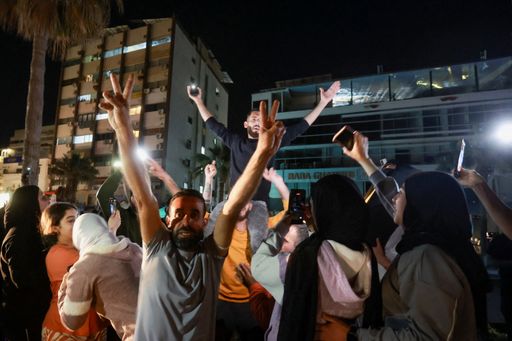
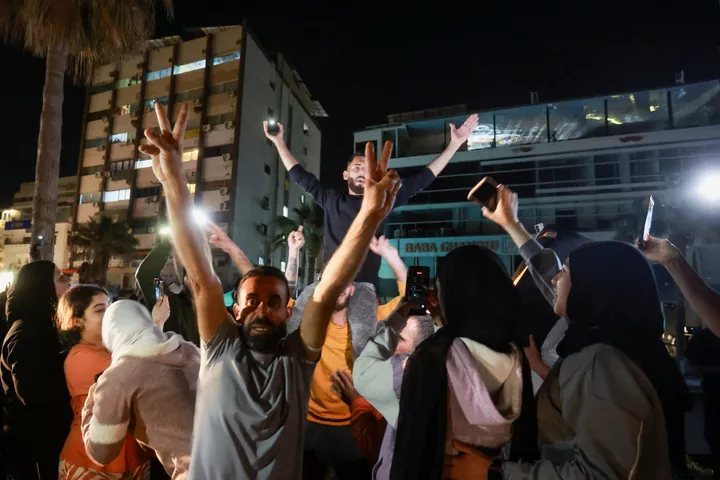
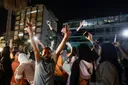
A US-brokered ceasefire between Israel and Lebanon took effect early on Friday, bringing a tentative halt to weeks of intense Israeli strikes across southern Lebanon.
The 10-day truce opened a narrow window for thousands of displaced families to return amid warnings from Israel and Lebanese authorities.
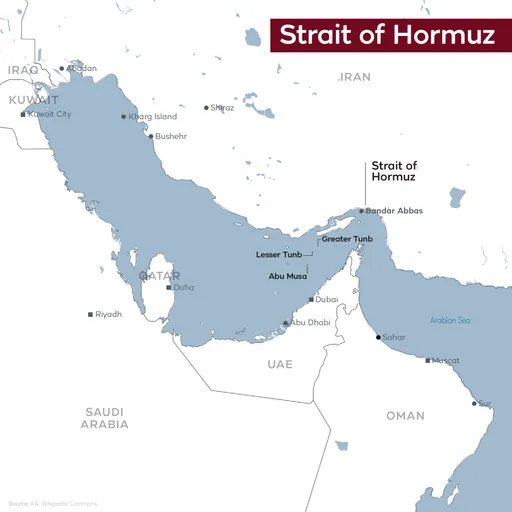
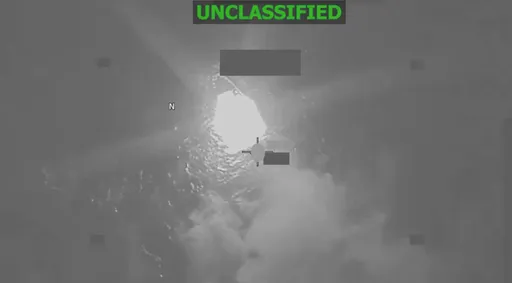
Lebanon was drawn into the Middle East war on March 2, when Israel and the US started a war against Iran, killing its Supreme Leader Ali Khamenei, triggering the Tehran-aligned Shia group Hezbollah to fire missiles on Israeli positions.
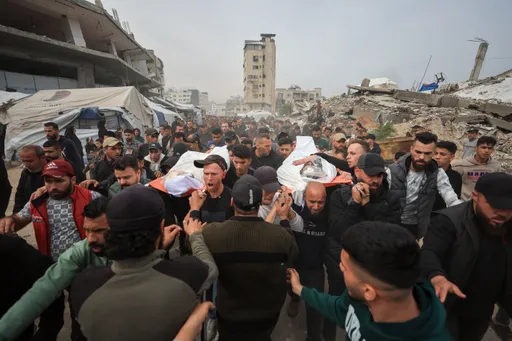
Since then, Israel has intensified its attacks on Lebanon and expanded its invasion in the country's south, killing more than 2,200 people in Lebanon and displacing over 1 million.
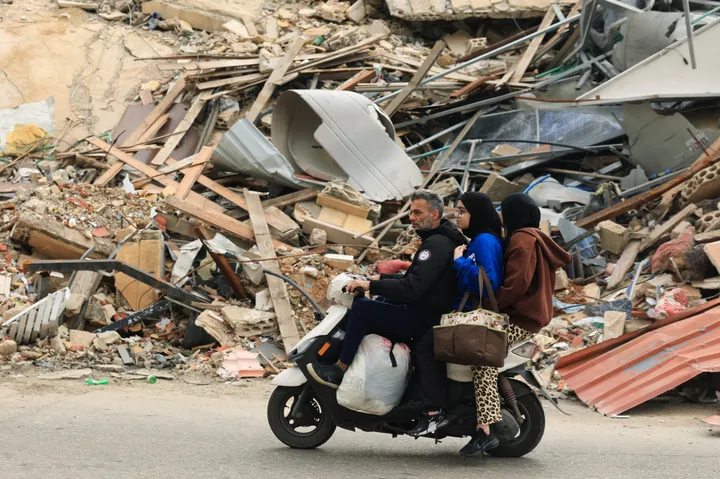
By early morning of the truce, cars were backed up for kilometres on the route leading south to the damaged Qasmiyeh bridge over the Litani River, a key crossing linking the southern coastal city of Tyre to the north.
Vehicles piled high with mattresses, suitcases and salvaged belongings crept forward through a single reopened lane, hastily repaired after an Israeli air strike just a day earlier.
The truce appeared to be largely holding overnight, despite reports of some breaches.
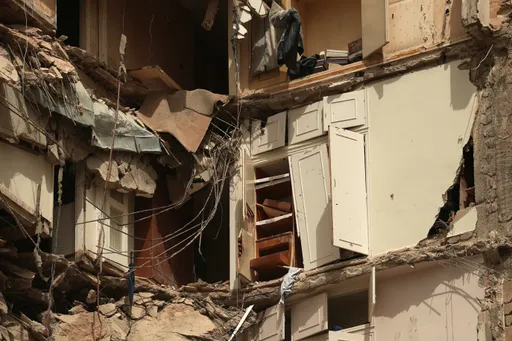
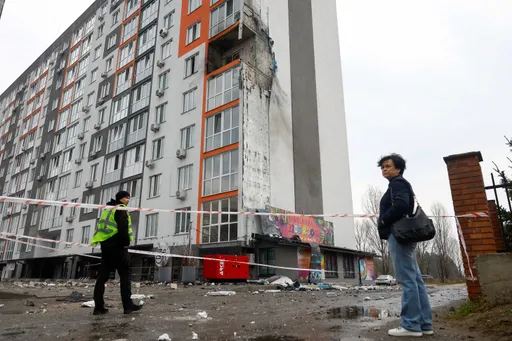
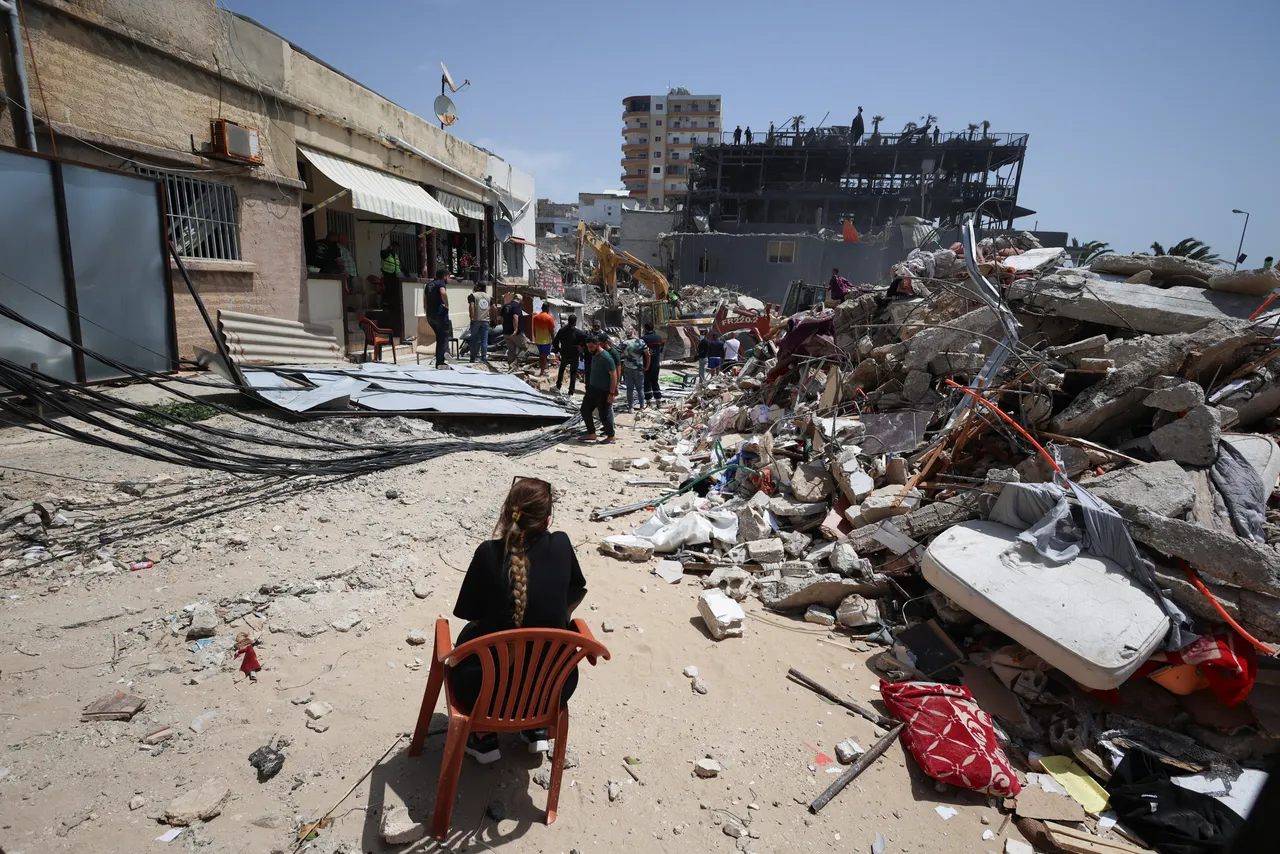
In southern villages like Jibsheet, a trickle of residents returned to flattened apartment blocks and streets littered with chunks of concrete, twisted aluminium shutters and dangling electrical wires.
“I feel free being back,” Zainab Fahas, 23, told AP. “But look, they destroyed everything — the square, the houses, the shops, everything.”
Many did not believe that their ordeal was really over.
“Israel doesn’t want peace,” said Ali Wahdan, 27, a medic walking on crutches over the rubble of the emergency services’ headquarters in Jibsheet.
He was badly wounded in an Israeli air strike that hit the building without warning during the first week of the war.
“I wish it were different," he said. “But this war will continue.”
In the neighbourhood of Haret Hreik in Beirut’s southern suburb, entire buildings had been reduced to rubble after weeks of intense Israeli strikes.
A local government official in Haret Hreik said Israel struck the neighbourhood 62 times over the last six weeks.

‘Finger on the trigger’
The ceasefire represents a key step in Washington's efforts to reach a deal to end its war with Iran, after Tehran insisted that a halt to the attacks on Lebanon must be part of any agreement.
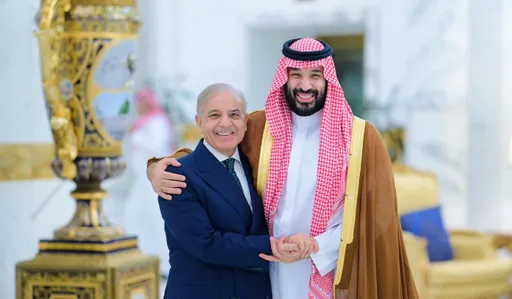
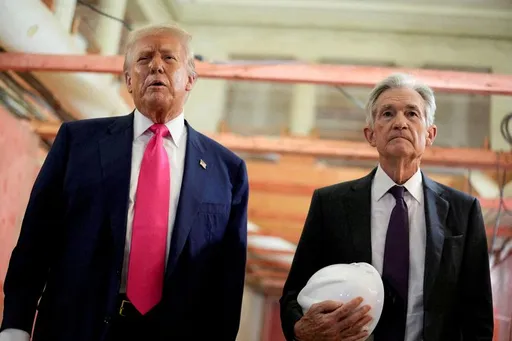
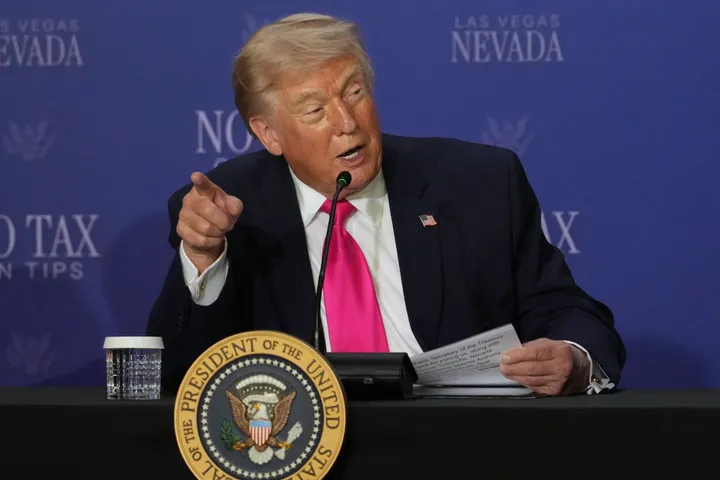
Pakistan has been leading a diplomatic push to restart face-to-face talks between Tehran and Washington, and US President Donald Trump said they were "very close" to striking an agreement.
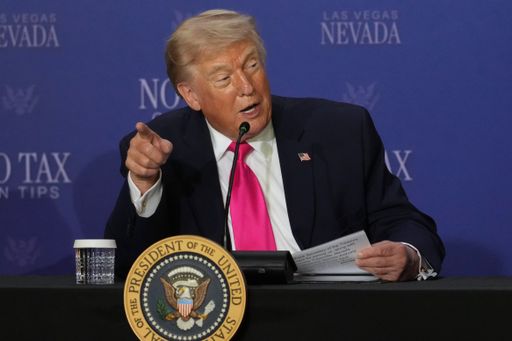
Trump said he had spoken to both Israeli Prime Minister Benjamin Netanyahu and Lebanese President Joseph Aoun ahead of the truce, which he in a social media post said they had agreed to "in order to achieve PEACE between their Countries".
He later said he expected Netanyahu and Aoun to visit the White House "over the next four or five days".
Netanyahu said the ceasefire with Lebanon offered an opportunity for a "historic peace agreement" with Beirut — but insisted that the disarmament of Hezbollah remained a precondition.
Lebanese Prime Minister Nawaf Salam welcomed Trump's announcement, saying a truce was a "key Lebanese demand that we have pursued since the very first day of the war".
But the Lebanese president had rejected Trump's request for a direct call with Netanyahu, an official source told AFP.
The Iran-backed Lebanese group Hezbollah has said it will respect the ceasefire, but warned it remains on high alert.
The group said that while it is observing the truce, it is keeping its “finger on the trigger,” adding that it is ready to respond immediately if Israel violates the deal.
Israeli authorities also kept restrictions in place near border zones, continuing the military caution even as the truce temporarily reduced active fighting.
Still, some civilians there were daring to hope for a return to a more normal life.
"I've got a three-year-old girl and a two-month-old baby, and the whole time we've just not left the house because you never know when there'll be a rocket attack," 31-year-old Ofir Ben Aris Lev told AFP.
"It's been crazy, but I think things will be quiet now and I'll be able to take my daughter to the park", he added.