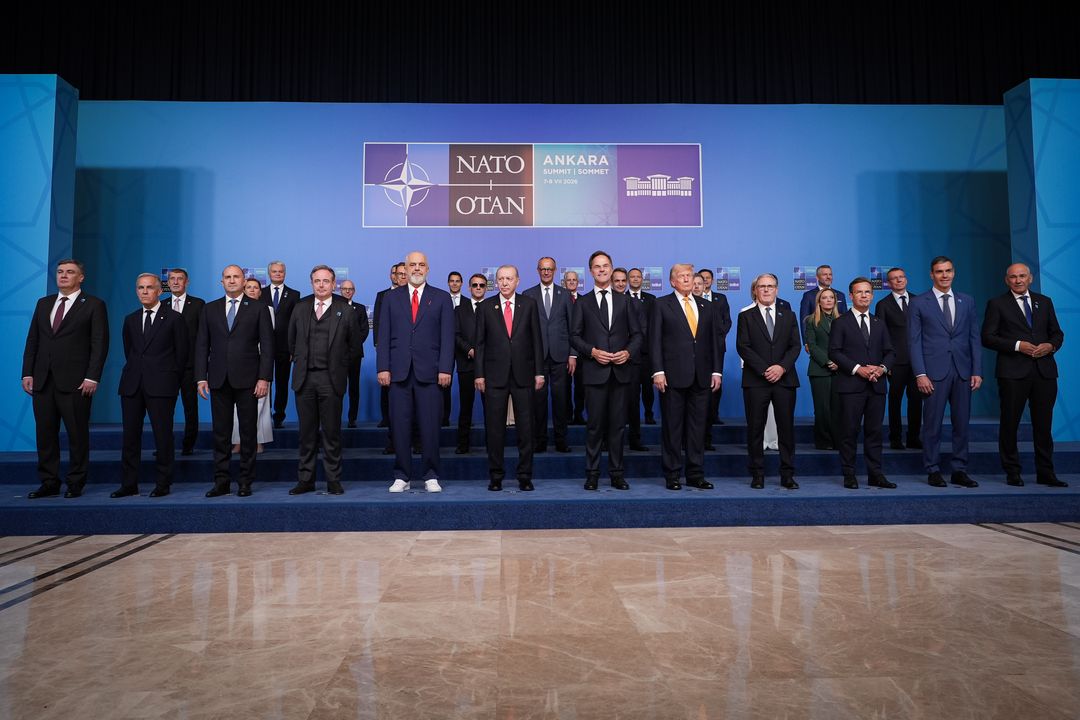
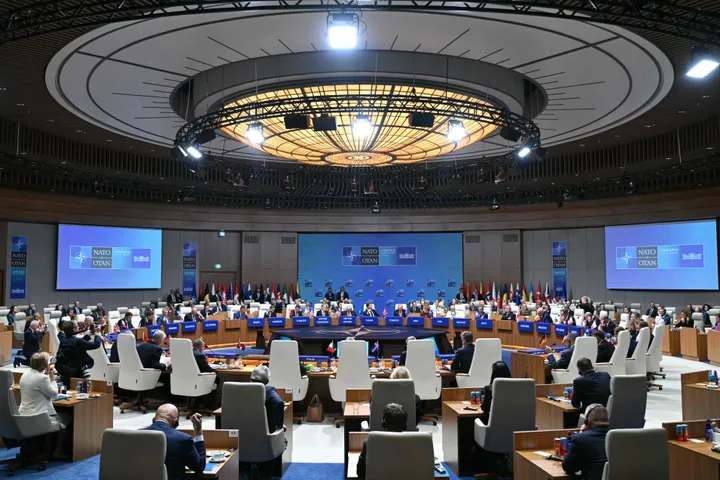
Türkiye's National Defence Ministry has described the NATO summit held in Ankara as a "historic gathering" where allies comprehensively addressed current security threats and evaluated strategic decisions aimed at strengthening the alliance's collective deterrence and defence capabilities.
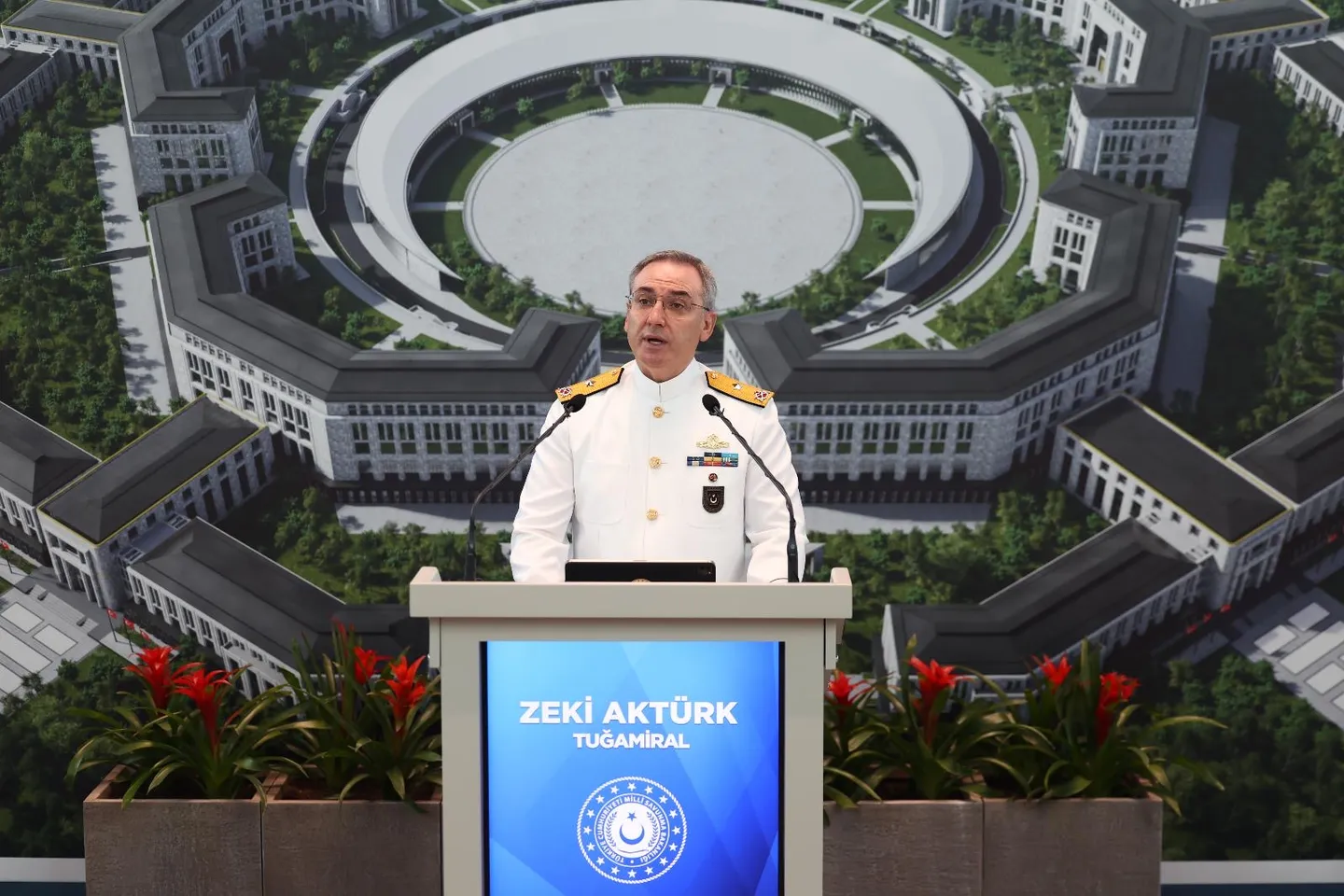
Speaking at the ministry's weekly press briefing at the Ay Yildiz Joint Headquarters in Ankara on Thursday, ministry spokesperson Zeki Akturk said the 36th NATO Heads of State and Government Summit was held within the framework of a "360-degree security approach."
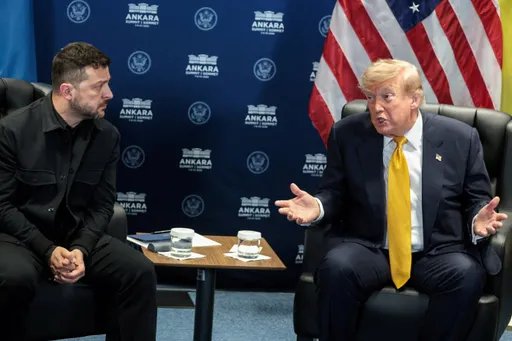
The spokesperson also welcomed US President Donald Trump's remarks on CAATSA sanctions relief.
"The summit was a historic gathering where the alliance's current threats were comprehensively addressed and strategic decisions aimed at strengthening collective deterrence and defence capabilities were evaluated," Akturk said.
He said the summit reinforced solidarity among allies, helped develop a shared vision for the evolving security environment, and strengthened the common approach to security across the Euro-Atlantic region.
Referring to the Defence Industry Forum and the reception for NATO defence ministers hosted by Turkish Defence Minister Yasar Guler on the sidelines of the summit, Akturk said the events promoted joint production and technological cooperation among allies while showcasing Türkiye's high technological capabilities, strong production capacity, and innovative vision in the defence industry.
He said Türkiye would continue contributing to international peace, security, and stability as a reliable and responsible NATO ally through its strong military, growing domestic defence industry, active defence diplomacy, and multidimensional foreign policy.
'Alliance spirit' cited in call to lift CAATSA sanctions
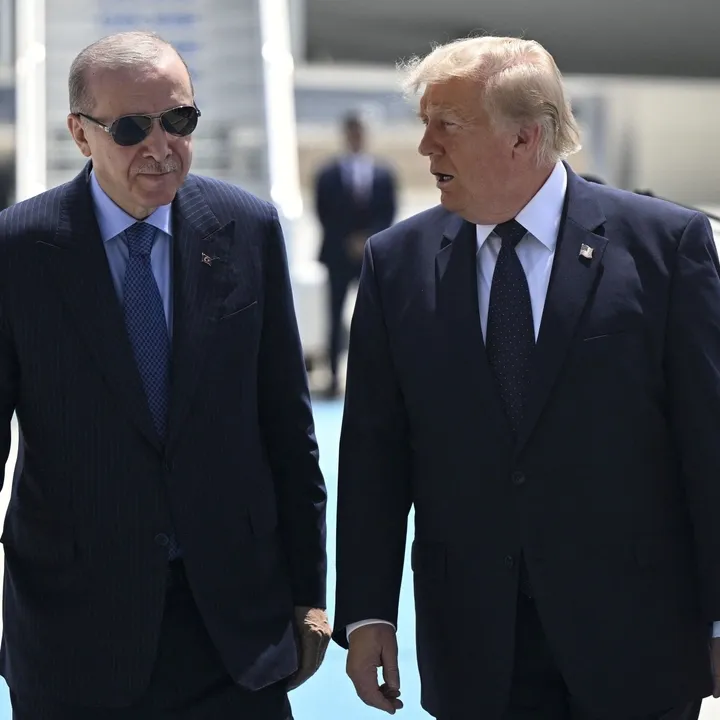
On questions about US President Donald Trump's remarks on possible CAATSA sanctions relief during the NATO summit, the Defence Ministry said Türkiye "continues to make significant contributions to NATO's deterrence and collective security as a strong and effective ally."
He added: "We expect all explicit and implicit restrictions targeting our defence industry, including the CAATSA sanctions, which are incompatible with the spirit of alliance, to be lifted. In this context, we welcome the statements made by the US president and favour an approach that strengthens mutual trust and solidarity among allies rather than restrictions."



Responding to remarks by Greek Prime Minister Kyriakos Mitsotakis opposing Türkiye's potential acquisition of F-35 fighter jets, the ministry said Ankara supports resolving regional issues through constructive dialogue and good-neighbourly relations, adding that avoiding rhetoric that could increase tensions would positively contribute to bilateral ties.
Akturk also stressed that the Turkish Armed Forces pose no threat to those who do not threaten Türkiye.
Türkiye strengthens defence cooperation at NATO summit
Akturk said Defence Minister Yasar Guler held talks with his counterparts from Japan, Latvia, New Zealand, Hungary, Canada, Romania, and Bulgaria on the sidelines of the NATO summit, focusing on defence cooperation, regional security, and alliance priorities.
He said Guler also signed a declaration of intent on defence cooperation with Canada and an amendment expanding the mandate of the Black Sea Mine Countermeasures Task Group to protect critical undersea infrastructure.
He also signed, together with the defence ministers of Romania and Bulgaria, an amendment to a memorandum expanding the mandate of the Black Sea Mine Countermeasures Task Group (MCM Black Sea) to include the protection of the three countries' critical undersea infrastructure in the Black Sea.
On July 8, Guler also joined President Recep Tayyip Erdogan at the NATO summit sessions and attended the president's bilateral meetings with the leaders of France, Syria, Italy, Germany, and the UK.
Earlier in his remarks, Akturk also highlighted the Ay Yildiz Headquarters project, which will bring together the National Defence Ministry, the Turkish General Staff, and the country's armed forces commands at a single complex, describing it as a strategic vision project to adapt to the changing security environment.