 Sebahattin Sevindi
While Operation Al Aqsa Flood on October 7, 2023, shattered long-standing security assumptions and exposed the fragility of the regional balance of power, it also marked the beginning of a genocide unfolding in full view of the international community.
However, aerial bombing and advancing tanks are not the only forces decimating the civilian population in Gaza and the occupied West Bank.
In this conflict, water—the source of life and humanity's most fundamental shared value—has been deployed directly to the front lines as a silent yet mass weapon of destruction.
For decades, Israel has maintained what scholars describe as a system of "hydro-hegemony" in the Palestinian territories—a framework of control over water resources, infrastructure, and access.
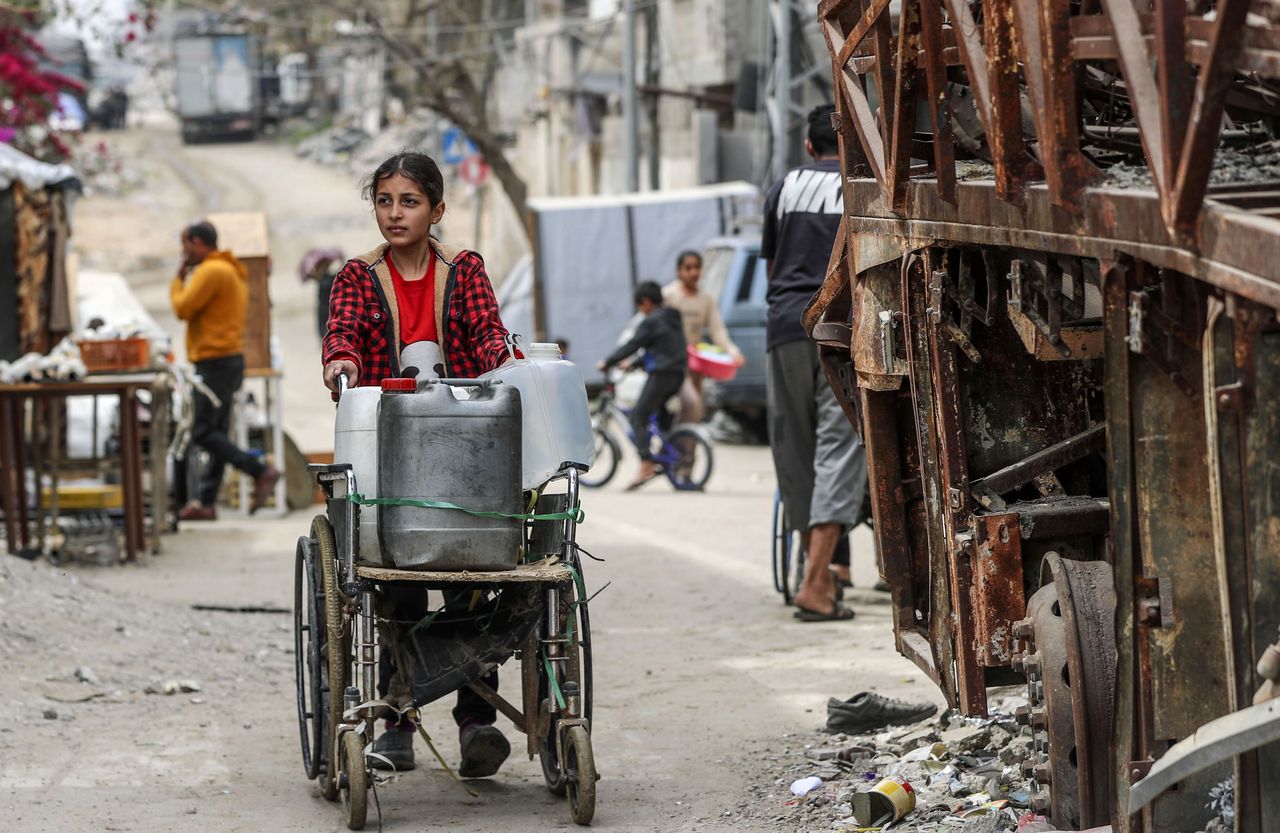
Since October 7, however, critics argue that this longstanding system has taken on a far more destructive dimension.
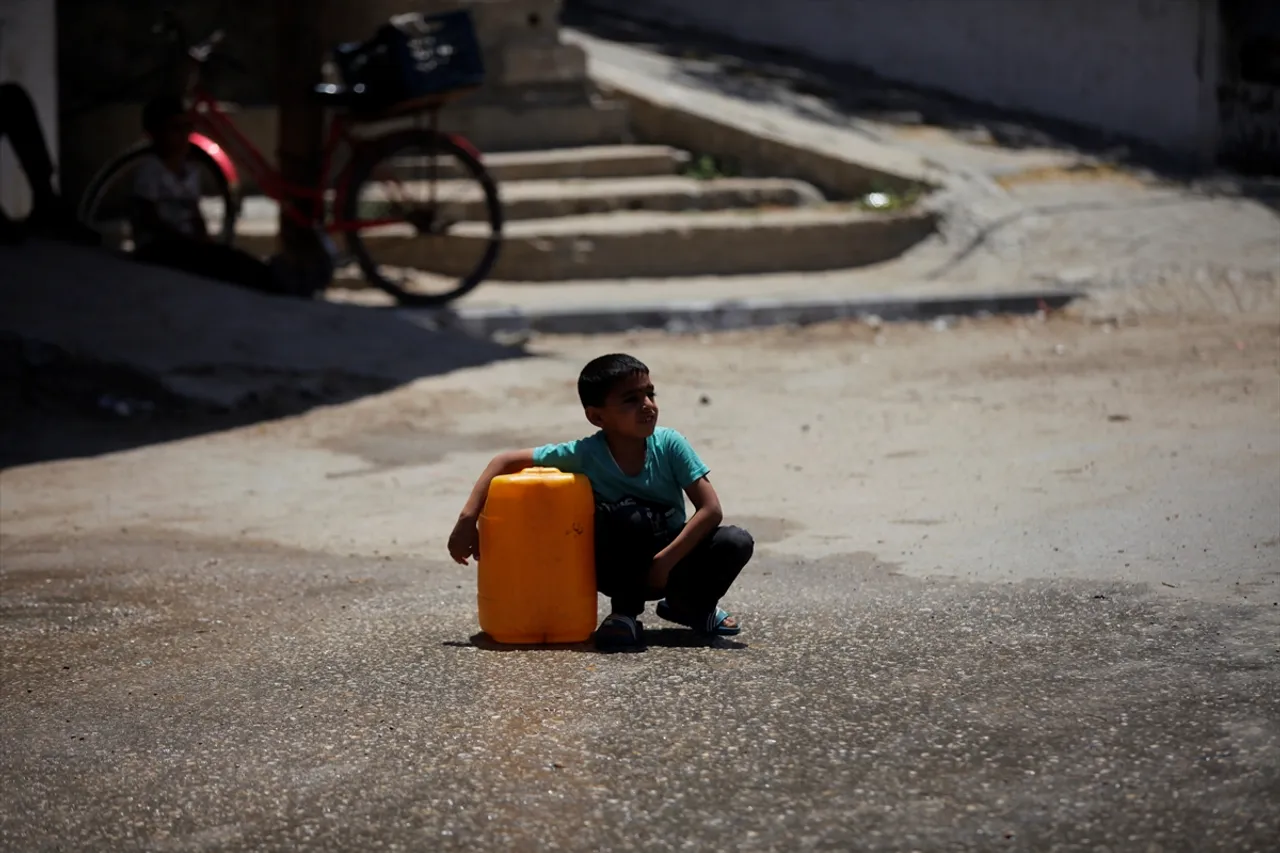
In Gaza in particular, restrictions on water access, damage to water infrastructure, and fuel shortages for desalination and sanitation facilities have contributed to severe clean-water shortages, increasing the risk of dehydration, disease outbreaks, and broader public health crises among the civilian population.
‘Making the desert bloom’
In the international relations literature, "hydro-hegemony"—as conceptualised by Mark Zeitoun—refers to the asymmetric dominance exercised by a powerful actor over transboundary water resources, rendering the weaker actor dependent.
Although Israel's water politics began with the construction of an agricultural and societal identity rooted in the Zionist myth of "making the desert bloom," in practice it became a mechanism for expropriating Palestinian water.
The roots of this process did not begin on October 7.
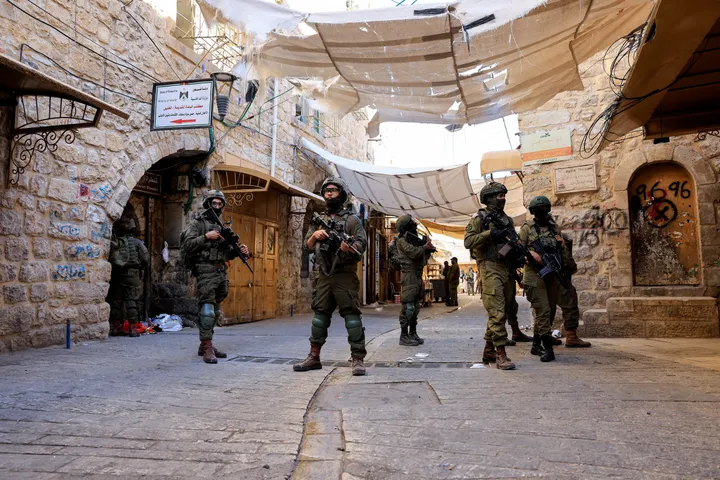
Following the Arab-Israeli War in 1967, military orders directly subjected Palestinians in the occupied territories to Israeli permission for drilling water wells, establishing infrastructure, and even collecting rainwater, as documented in Amnesty International reports.
At this point, the securitisation theory from the Copenhagen School serves as a key indicator.
Israel has cast the Palestinian quest for sovereignty over their own water resources as a "security threat" and used this perception of threat to justify extraordinary, extrajudicial military interventions.
This mentality, which absolutises Israel's security, has become a guise for completely eliminating the most fundamental human right of the Palestinian people.
This apartheid water regime has been implemented through different mechanisms in the occupied West Bank and Gaza.
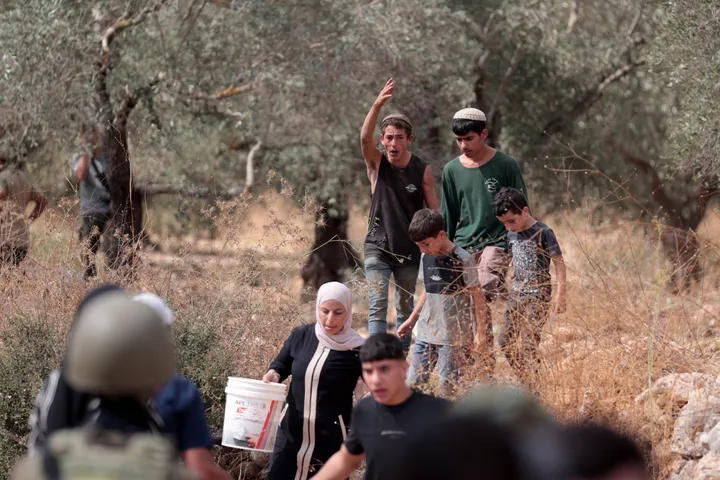
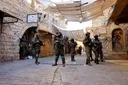
In the occupied West Bank, Palestinians have largely been excluded from meaningful control over major water resources and often rely on costly purchased water, while illegal Israeli settlers enjoy significantly greater access.
In Gaza, by contrast, water deprivation has been shaped by years of blockade and isolation, severely weakening the territory's water and sanitation infrastructure and deepening the humanitarian crisis.
‘Malicious hegemon’
Zeitoun states that hegemonic powers can be either "benign" or "malicious".
In the Palestinian context, Israel has always adopted an oppressive, restrictive "malicious hegemon" model; however, the events following October 7 entered a phase that transcends the boundaries of international law by deliberately depriving the civilian population of the conditions of life.
The most concrete step of this strategy came on October 9, when the Israeli administration announced a total cutoff of water pipelines, electricity, and fuel to Gaza.
Without electricity and fuel, neither can the brackish water in the Coastal Aquifer Basin—the region's only local source—be desalinated, nor can existing facilities operate.
According to a report published by the Centre for Strategic and International Studies (CSIS), more than 700 of 1,100 water wells, 5 wastewater treatment plants, and 65 sewage pumping stations in Gaza were targeted and rendered inoperable during the war on the blockaded Palestinian enclave.


According to World Health Organization and UN standards, the minimum emergency water requirement per person per day to survive a humanitarian crisis is 15 litres.
Yet, according to UN field disaster data, a Palestinian in Gaza today is forced to meet all total vital needs—including drinking, washing, cooking, and hygiene—with just 1.5 to 3 litres of water.
This amount corresponds to a mere 20 percent of the mortality threshold.
Indeed, updated humanitarian situation reports from UNICEF dated May 2026 clearly demonstrate that this hydro-political embargo maintains its currency as a dynamic strategy of genocide.
While 82 percent of families in Gaza still grapple with acute water insecurity, the output of desalination plants continues to decline because of strict Israeli restrictions on spare parts, motor oil, and treatment chemicals.
The crisis is not limited to resource cutoffs; as reported, the direct targeting of UNICEF-contracted vehicles carrying clean water at Al Mansoura in Northern Gaza on April 17, 2026, which killed two drivers, demonstrates that water networks are being "systematically collapsed".
As a simultaneous reflection of this situation, the water regime in the occupied West Bank is also experiencing the most violent period in its history.
According to updated 2026 data from UN OCHA, more than 190 Palestinian water and sanitation (WASH) structures have been sabotaged or bulldozed since the early months of the year due to illegal settler violence and military demolitions.
The deliberate destruction of water pipes in the villages of Tubas and Atouf, as reported from the field by the WAFA news agency, proves that hydro-hegemony is not only being used to punish Gaza with thirst, but is also being used as a dynamic weapon to dispossess and force the migration of the Palestinian presence in the West Bank.
Theft of the future
The devastation caused by the water crisis on the ground is not just a matter of statistics; women and children pay the heaviest price.
Because 70 percent of the population in Gaza is currently forced to drink salty, contaminated water polluted with sewage waste, the risks of dehydration, severe diarrhoea, cholera, and hepatitis are escalating to epidemic proportions.
The inability to maintain sterile environments in hospitals, the inability to care for intensive care patients, and the disruption of surgeries due to a lack of water are deepening the medical collapse.
Furthermore, mothers grappling with war trauma and starvation cannot even prepare formula for their infants because of restricted and contaminated water supplies.
The reproductive health and hygiene standards of women without access to clean water have been completely obliterated.
This picture shows that the foundations of a permanent public health disaster, which will endure for generations even if active clashes cease, are being laid.
International law strictly prohibits the targeting of drinking water facilities, infrastructure, and water wells, even during wartime.
Sheltering behind security pretexts, such as claims that water pipes "will be used in weapons manufacturing", Israel prevents even critical sanitation equipment from entering the region.
As declared by the UN Office of the High Commissioner for Human Rights (OHCHR), the use of water as a weapon of war is a blatant violation of international law.
Consequently, the provisional measures ordered by the International Court of Justice (ICJ) in the proceedings initiated by South Africa have legally recognised Israel's obligation to ensure immediate access to basic services and humanitarian assistance.
Before the eyes of the world, millions of people have been left to face dehydration, epidemic diseases, and a planned genocide.
It is impossible to resolve any humanitarian crisis in the region without lifting the Israeli blockade on Gaza and allowing the repair of water and electricity networks.
Unless these hydro-hegemonic policies that convert water into an instrument of dominance and genocide are held accountable before international courts, humanity’s faith in justice will be destined to dry up, just like the soil of Gaza.