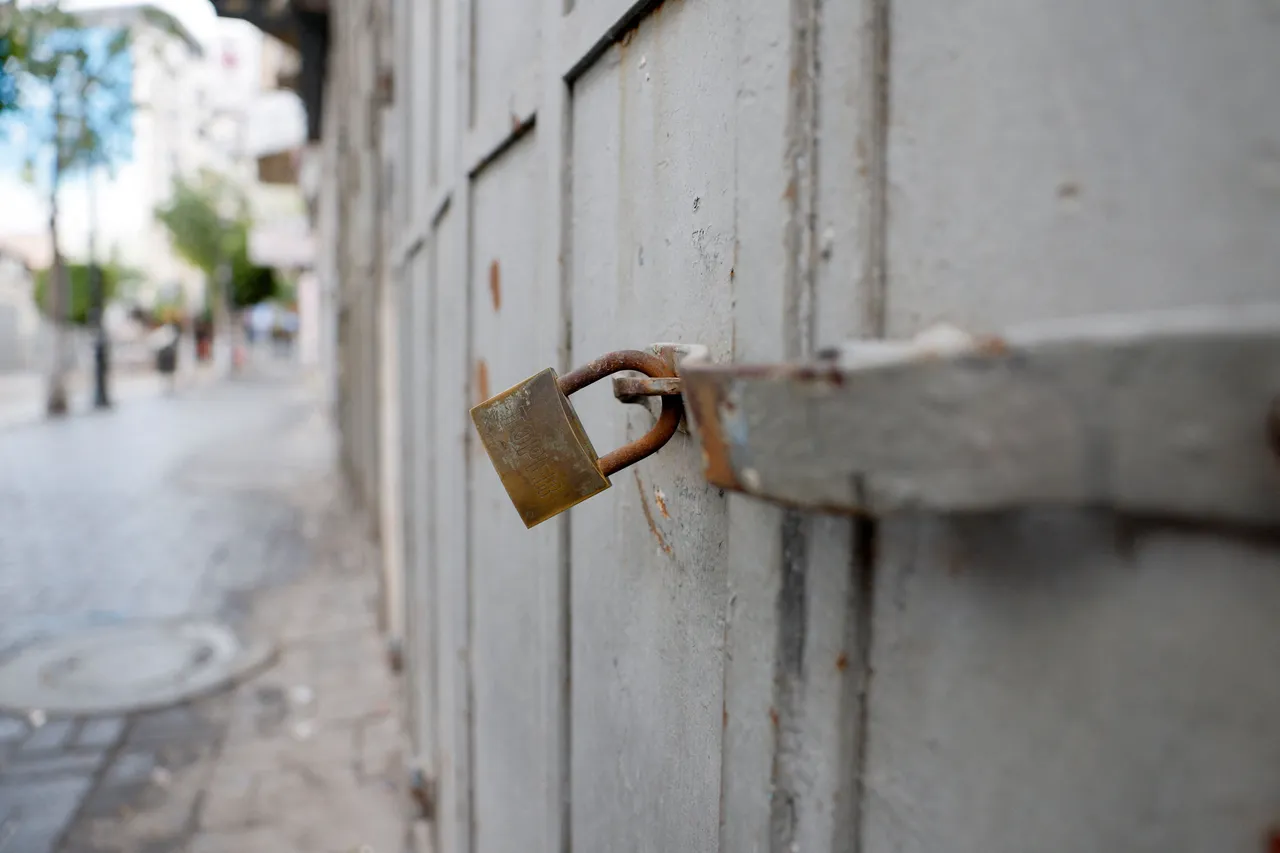
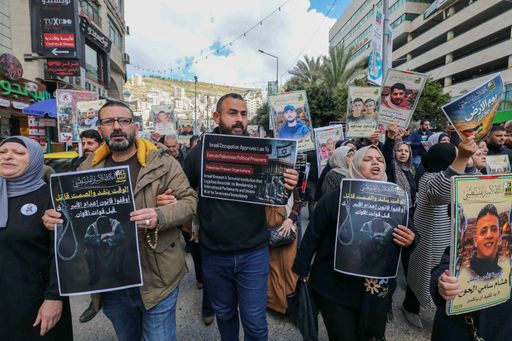
Daily life in the occupied West Bank came to a near standstill on Wednesday as shops, banks, schools and public offices closed, while essential services like hospitals and bakeries remained open.
Ramallah, the Palestinian Authority’s seat, appeared deserted as citizens heeded the call for a general strike.
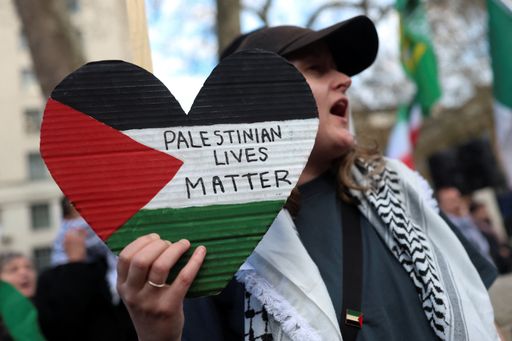
The shutdown followed a directive from the Fatah movement, which condemned Iarael’s newly approved legislation allowing capital punishment for Palestinian prisoners as a “dangerous escalation” targeting Palestinians and urged mass mobilisation and international pressure to overturn it.
A controversial law and its fallout
On Monday, Israel’s Knesset approved the legislation, granting courts the authority to impose the death penalty on Palestinians convicted of intentional killings of Israelis — even without a prosecutor’s request or unanimous judicial agreement. Military courts in the occupied West Bank will also apply the law.
Palestinian authorities report that 117 detainees could face execution under the new law, amid a prison population exceeding 9,500, including 350 children and 73 women.
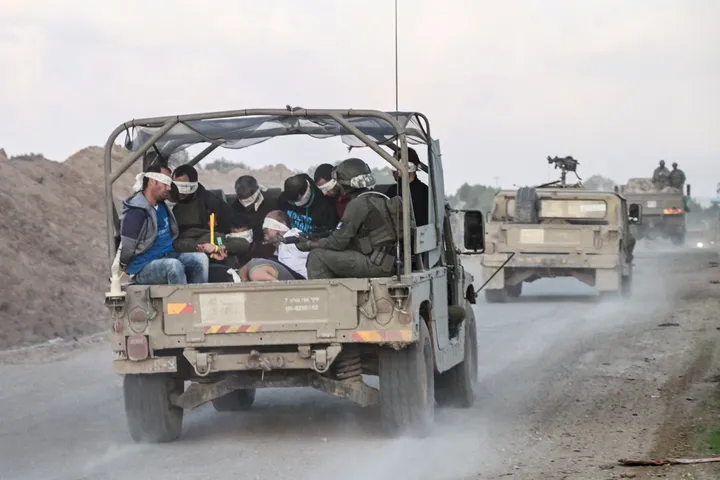
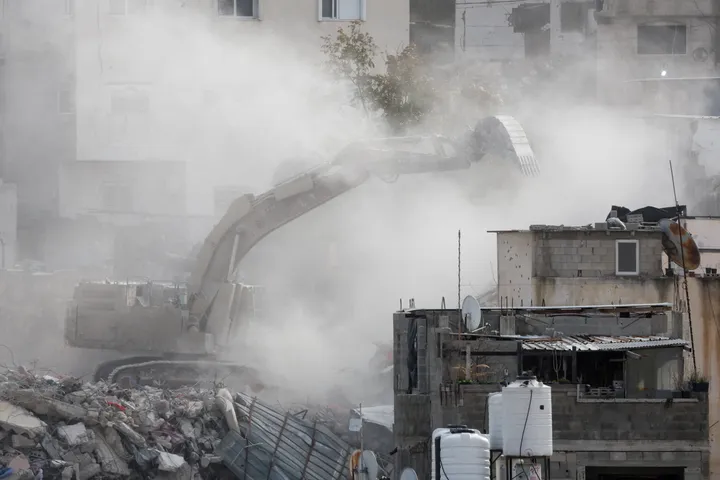



Palestinian officials allege systemic abuse, starvation and medical neglect of detainees.
The bill has faced criticism also in Israel. In February, about 1,200 Israeli figures, including Nobel laureates, former military officials, and ex-Supreme Court judges, decried the law as a “moral stain.”
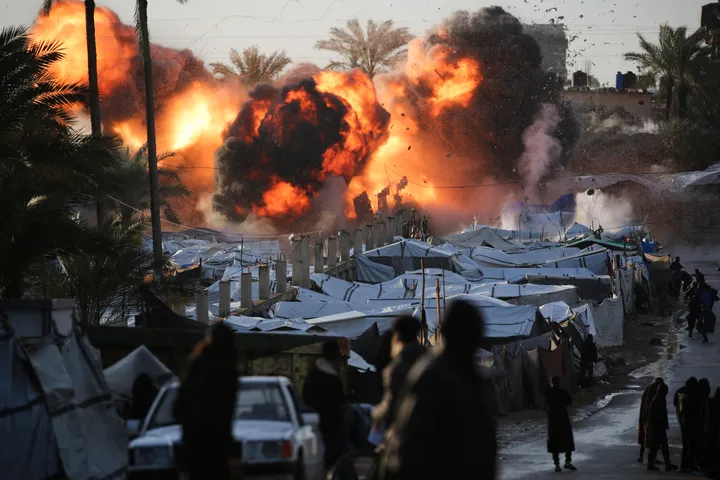
Since October 2023, Israeli measures against Palestinian detainees have tightened further amid aggression on Gaza, which has resulted in over 72,000 deaths and 172,000 injuries, predominantly among women and children.
Indonesia condemns Israeli law
International condemnation over the death penalty law has been pouring in since Israel approved the legislation.
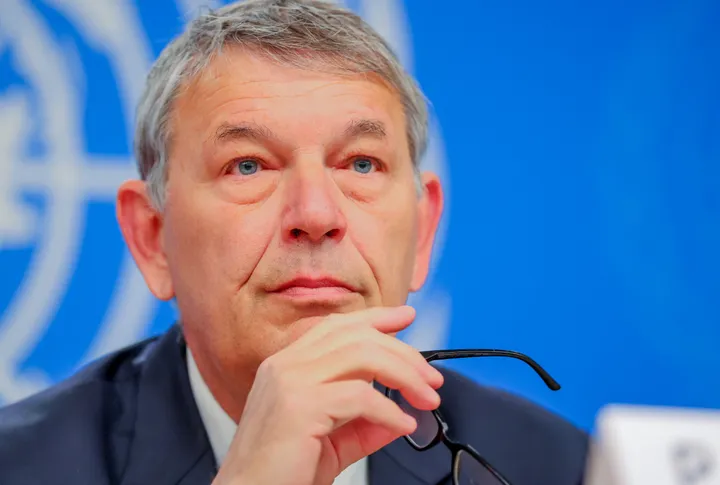
Indonesia on Wednesday slammed Israel’s decision and called for intervention by the UN.
The Indonesian Foreign Ministry said: “Such a policy is unacceptable and undermines the sense of justice as well as universal humanitarian values.”
“The law is a grave violation of international human rights and humanitarian law, particularly the Fourth Geneva Convention, as well as the International Covenant on Civil and Political Rights, which guarantees the right to life and the right to a fair trial,” the ministry said in a statement to Anadolu.