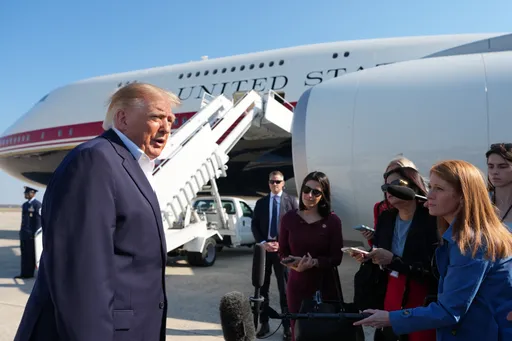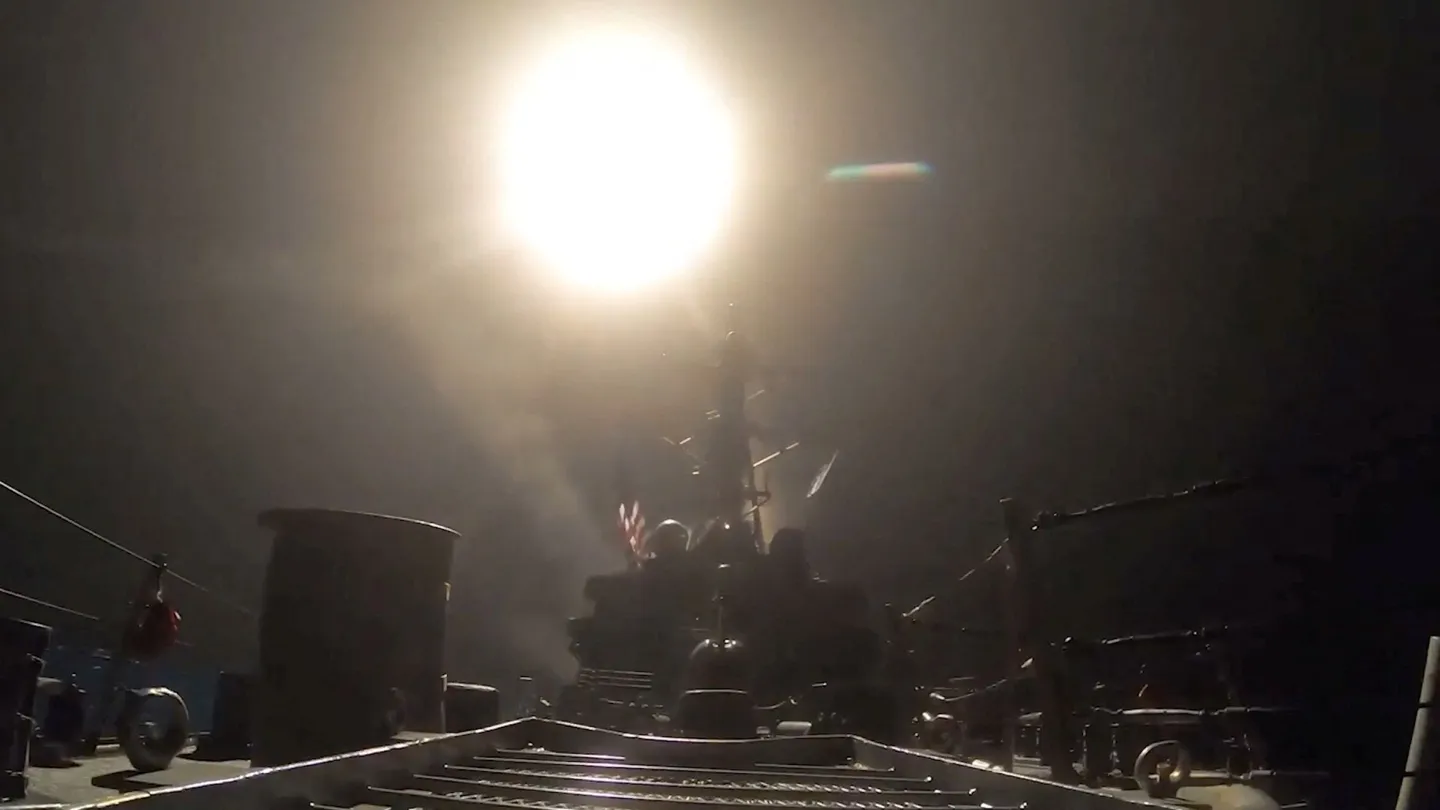
The cost of the Iran war to American taxpayers has grown to $47.1 billion, according to a fresh Pentagon assessment submitted to Congress, intensifying political fallout ahead of pivotal midterm elections as President Donald Trump leaves open the prospect of renewed hostilities.
The figures compiled by US Central Command, valid as of October 16, provide the most comprehensive accounting of expenditure since military offensives began in late February alongside Israel.
The sum reflects a $3.5 billion rise in spending since early September, when total costs stood at approximately $43.6 billion.
The economic strain of the conflict and its impact on domestic energy markets threaten Republican candidates facing voters on Tuesday to determine control of Congress.
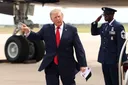
Although Trump initially pledged an engagement lasting only weeks, he has flagged potential new strikes post-election while dispatching a third aircraft carrier and thousands of troops to the region.
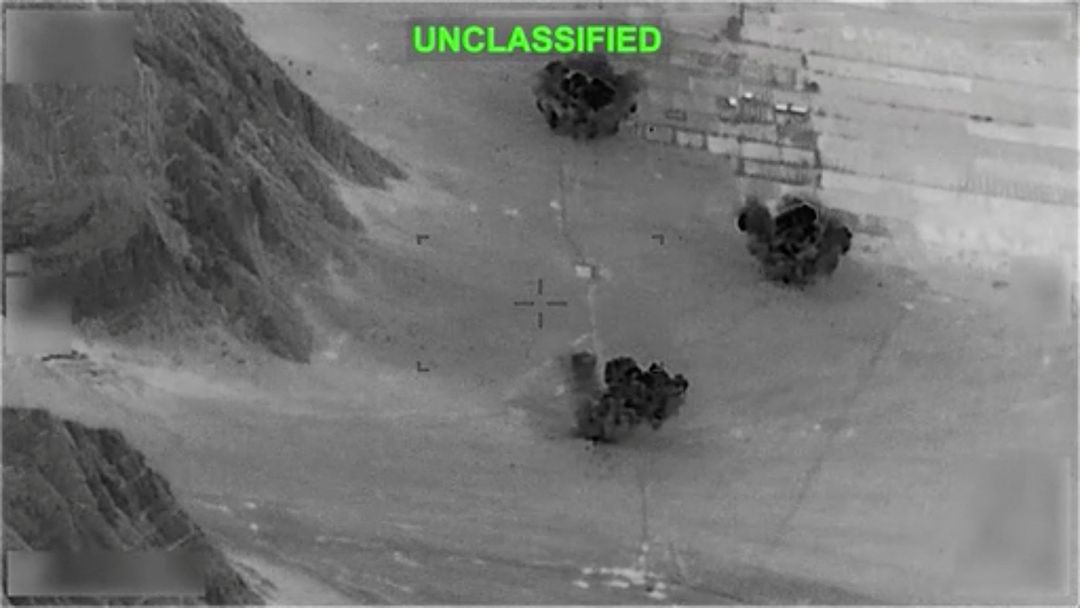
Munitions depletion
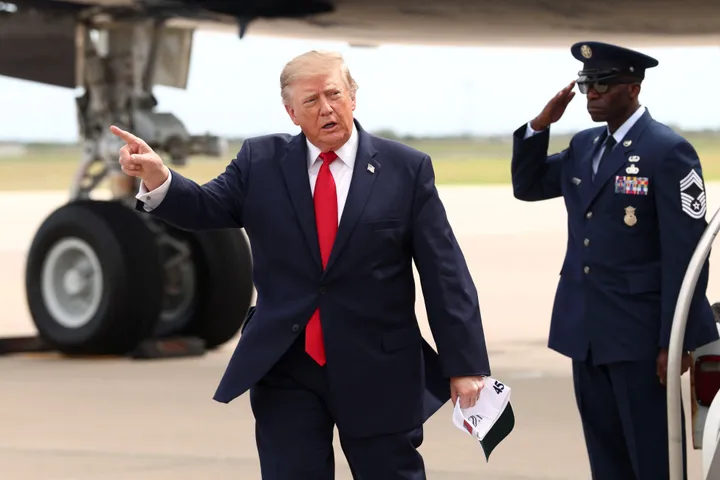




The mounting expenditure has sparked sharp resistance on Capitol Hill, where the White House is seeking approval for a $1.5 trillion national defence budget alongside a $95 billion package supporting Middle East operations.
Replacing depleted munitions represents the single largest expenditure, absorbing roughly $29 billion.
Advanced defensive interceptors—principally for Patriot and THAAD batteries—account for the bulk of replenishment costs, with individual Patriot interceptors costing millions of dollars.
Direct operational activity totals $11.9 billion, whilst equipment destruction accounts for $6 billion.
Branch tallies list Air Force costs at $7.6 billion, Army expenses exceeding $2 billion, and Navy expenditure at $1.45 billion.
Official records list 21 American service personnel dead—18 from enemy strikes, aircraft crashes, or drone disposal—and 865 wounded, with the assessment omitting physical structural damage sustained across regional bases.