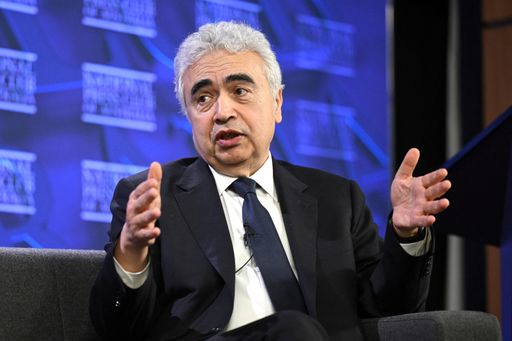
The heads of the International Energy Agency, International Monetary Fund, and World Bank have said they will form a coordination group to maximise their response to the significant economic and energy impacts of the war in the Middle East.
In a joint statement on Wednesday, the three global bodies noted that the war had caused major disruptions in the region and triggered one of the largest supply shortages in global energy market history.
"At these times of high uncertainty, it is paramount that our institutions join forces to monitor developments, align analysis, and coordinate support to policymakers to navigate this crisis," the heads of the IMF, IEA and World Bank said.
The new coordination group will assess the severity of impacts across countries, coordinate a response mechanism, and mobilise stakeholders to deliver support to countries in need, the international bodies said.
The response mechanism could include targeted policy advice, assessment of potential financing needs and related provision of financial support, including through low or zero-percent financing, as well as unspecified risk mitigation tools, they said.
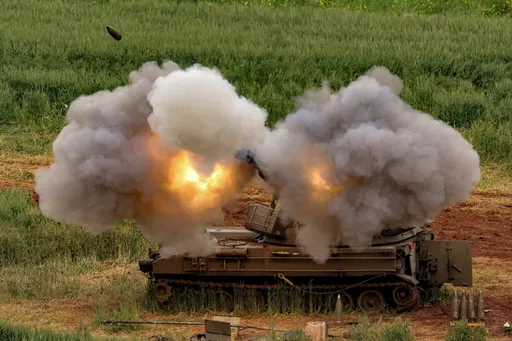
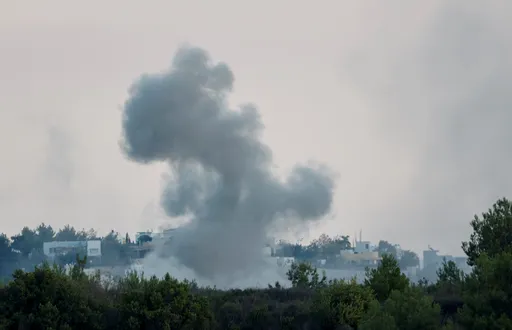
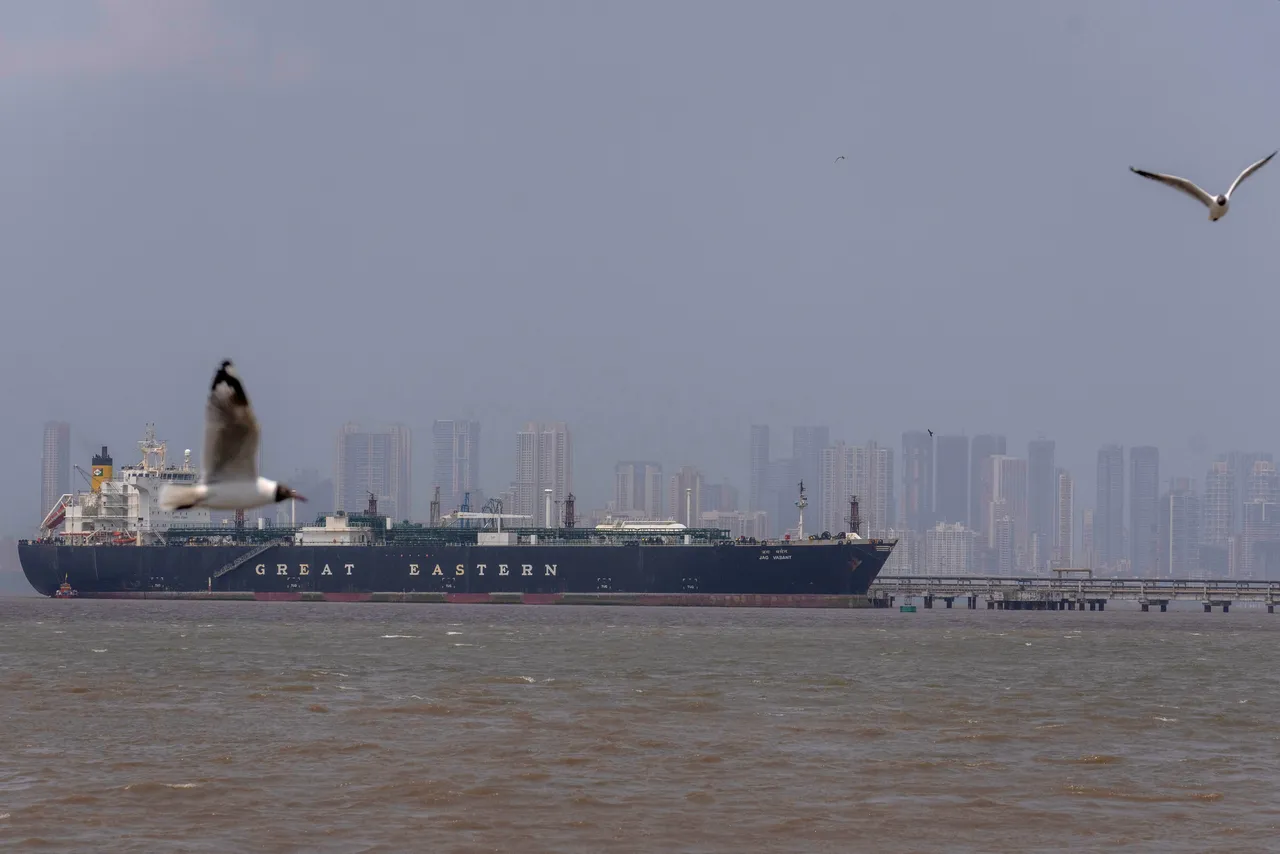
Thousands of people have been killed across the Middle East in the war, which began when the US and Israel struck Iran on February 28, triggering Iranian attacks on Israel and the Gulf states hosting US military and financial assets, while opening a new front in Lebanon.
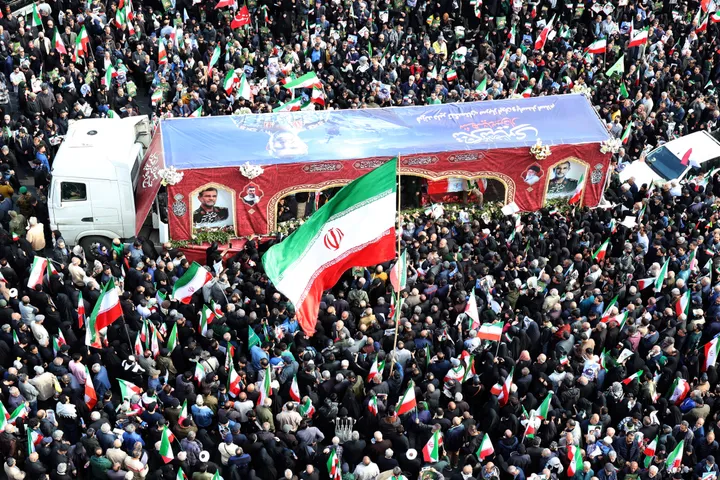
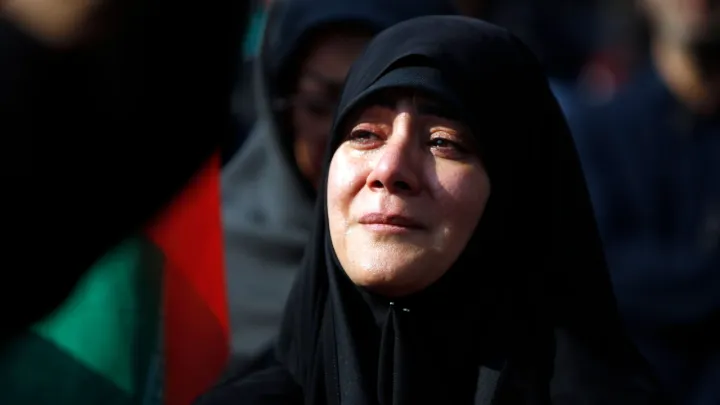
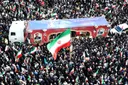

Now in its second month, the conflict has spread across the region, disrupting energy supplies and threatening to send the global economy into a tailspin.
"The impact is substantial, global, and highly asymmetric, disproportionately affecting energy importers, in particular low-income countries," the IMF, IEA and World Bank said.
They noted that the war was already resulting in higher oil, gas and fertiliser prices, while triggering concerns about food prices and affecting global supply chains of helium, phosphate, aluminium, and other commodities. Tourism had also been hit.
"The resulting market volatility, weakening of currencies in emerging economies, and concerns about inflation expectations raise the prospect of tighter monetary stances and weaker growth," the organisations said.
"We are committed to working together to safeguard global economic and financial stability, strengthen energy security, and support affected countries and people on their path to sustained recovery, growth, and job creation through reforms, they said.