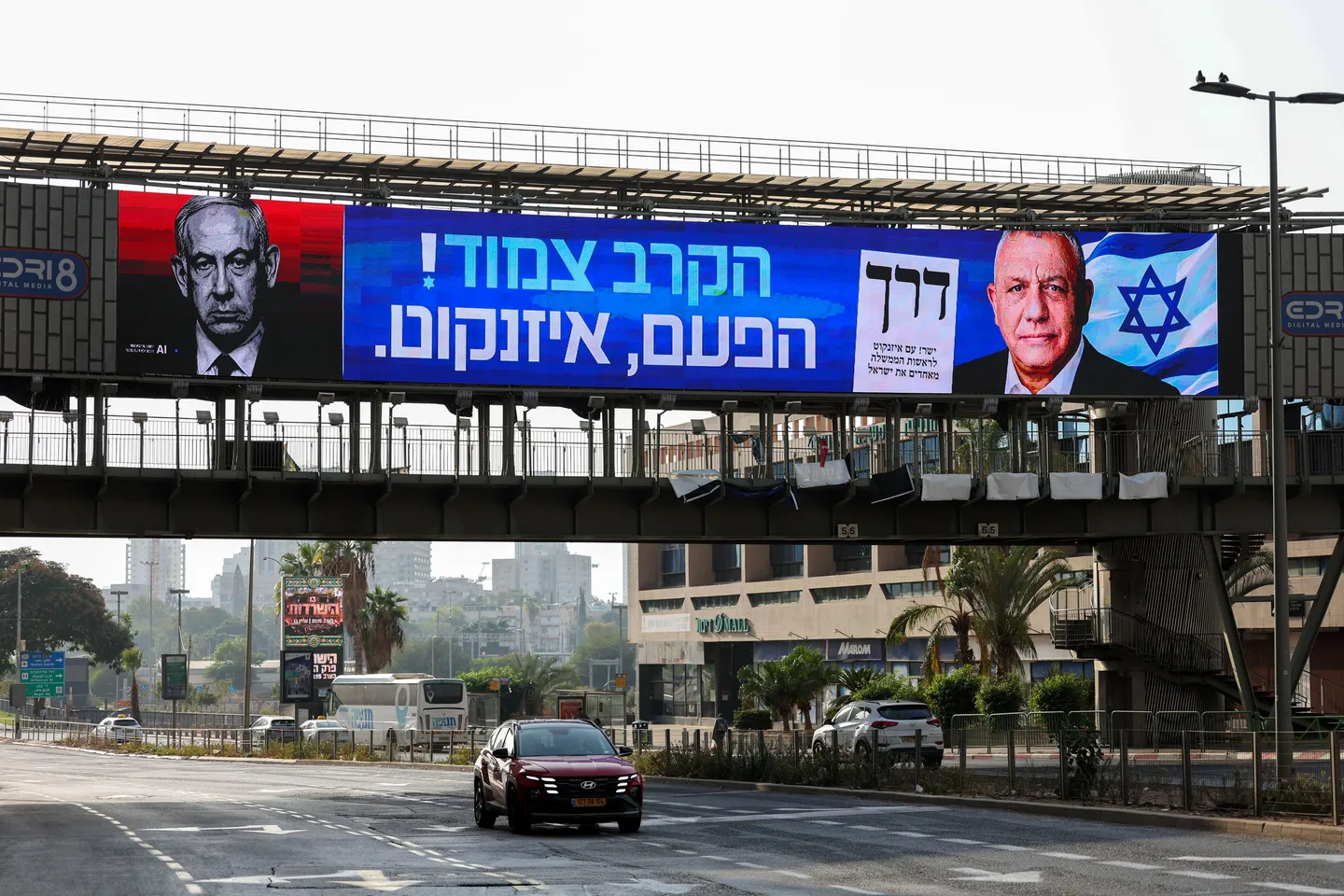
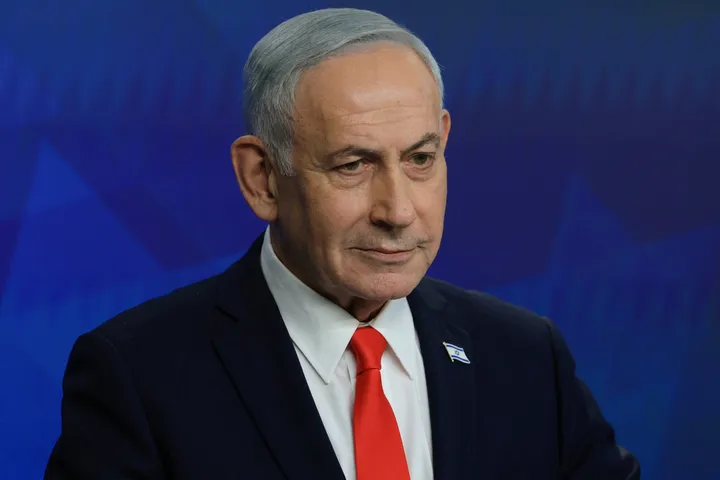
Israeli opposition leaders on Sunday accused Prime Minister Benjamin Netanyahu of spreading fear and panic after he shared an artificial intelligence-generated image depicting a nuclear explosion over Tel Aviv, intensifying a bitter political dispute two days before the country’s parliamentary election.
Netanyahu posted the image early Sunday alongside a warning about the threat of Iran acquiring nuclear weapons and a call to continue confronting Tehran during the remainder of US President Donald Trump’s term.
Gadi Eisenkot, a former Israeli army chief and leader of the Yashar party, accused Netanyahu of resorting to what he described as familiar campaign tactics based on “lies and spreading fear”.
“This time, you are threatening Israeli citizens with total destruction, after failing to achieve the goals of the war in Iran,” Eisenkot wrote on X.
He said Netanyahu had shifted from promising “absolute victory” to the slogan “We will not surrender”, adding: “That is the whole story.”
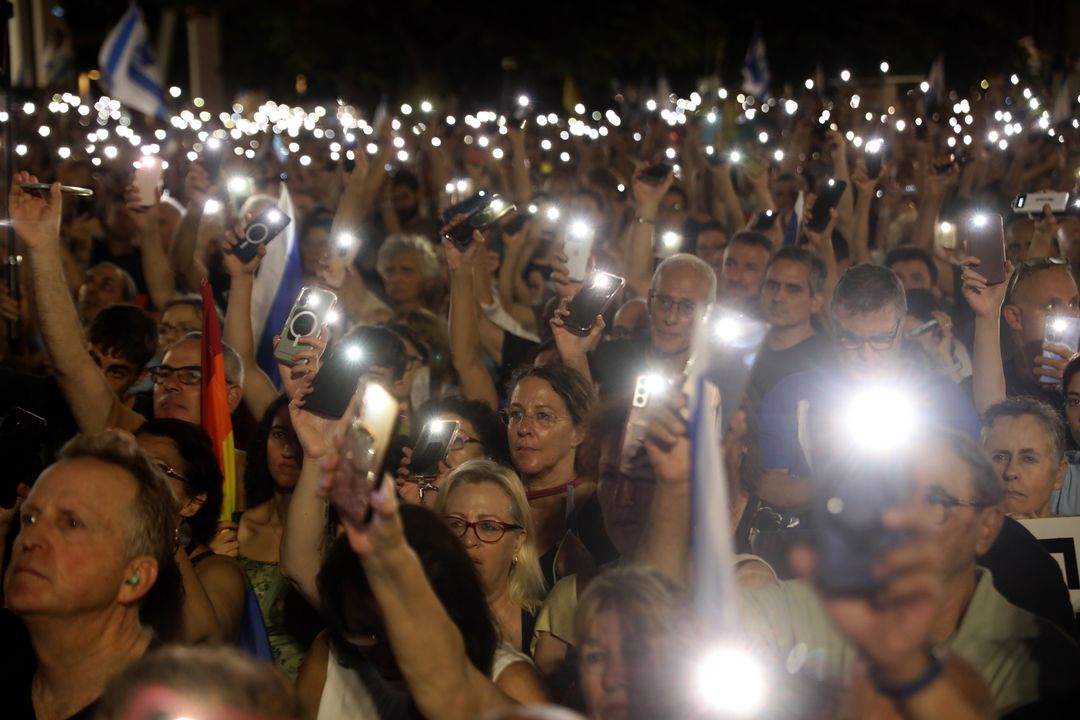
Opposition leaders condemn nuclear imagery
Yair Golan, leader of the Democrats party, also criticised the prime minister over the image.
“The prime minister of Israel posted a picture of an atomic bomb over Tel Aviv,” Golan wrote on X, calling for Netanyahu to be barred from social media.
Golan said Netanyahu and those around him had “lost their minds” as political pressure mounted ahead of the vote.
“On Tuesday, we will replace those spreading panic and restore security and rationality to Israel,” he added.
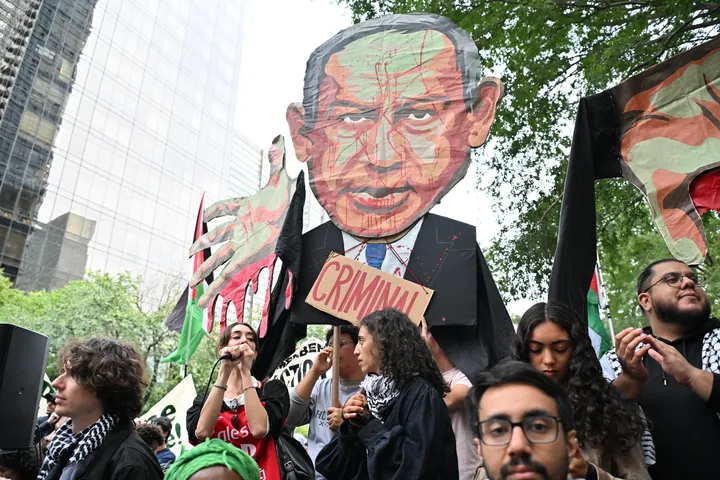
The criticism reflects a wider dispute over Netanyahu’s emphasis on national security during the campaign, particularly his warnings about Iran’s nuclear programme. Opposition figures accuse him of using the threat to strengthen his electoral position.
Iran’s nuclear programme dominates campaign debate
The latest exchange follows earlier criticism from Eisenkot, who on Wednesday called Netanyahu’s claim that he had destroyed Iranian nuclear bombs and saved Israel “an outright lie”.
Eisenkot argued that Iran had never possessed nuclear bombs and told Israel’s public broadcaster KAN that he saw no immediate, direct threat that would justify launching a military attack on Iran ahead of the election.
Netanyahu has made security threats a central theme of his campaign, presenting continued pressure on Tehran as essential to Israel’s defence. His opponents have challenged both his claims about the results of military action and his use of stark imagery to convey the risks.
Tight election raises political stakes
The confrontation comes as Netanyahu’s political camp faces opposition parties seeking to end his rule in the parliamentary election scheduled for October 27.
Netanyahu has led a far-right government since late 2022, widely described as the most right-wing in Israel’s history.
With the election approaching, the dispute over Iran and the nuclear image has brought security policy, political accountability and the use of fear in campaigning to the forefront of the contest.