When US President Donald Trump launched military operations against Iran, he promised the war would end “pretty quickly”. Nearly six months later, there is little sign of that happening.
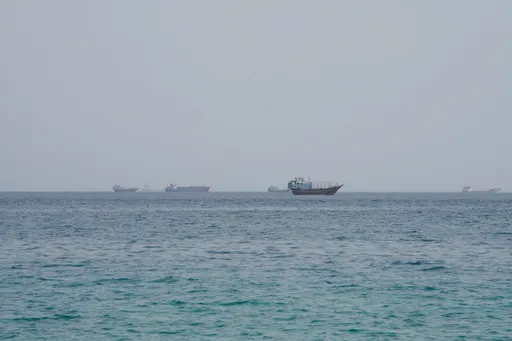
While diplomatic efforts to end the fighting continue, the prolonged conflict is increasingly revealing the cost of an extended military campaign. Beyond the economic fallout from Iran's blockade of the Strait of Hormuz, signs of strain are emerging within the US armed forces, from exhausted troops and extended deployments to growing concerns over morale aboard frontline naval vessels.
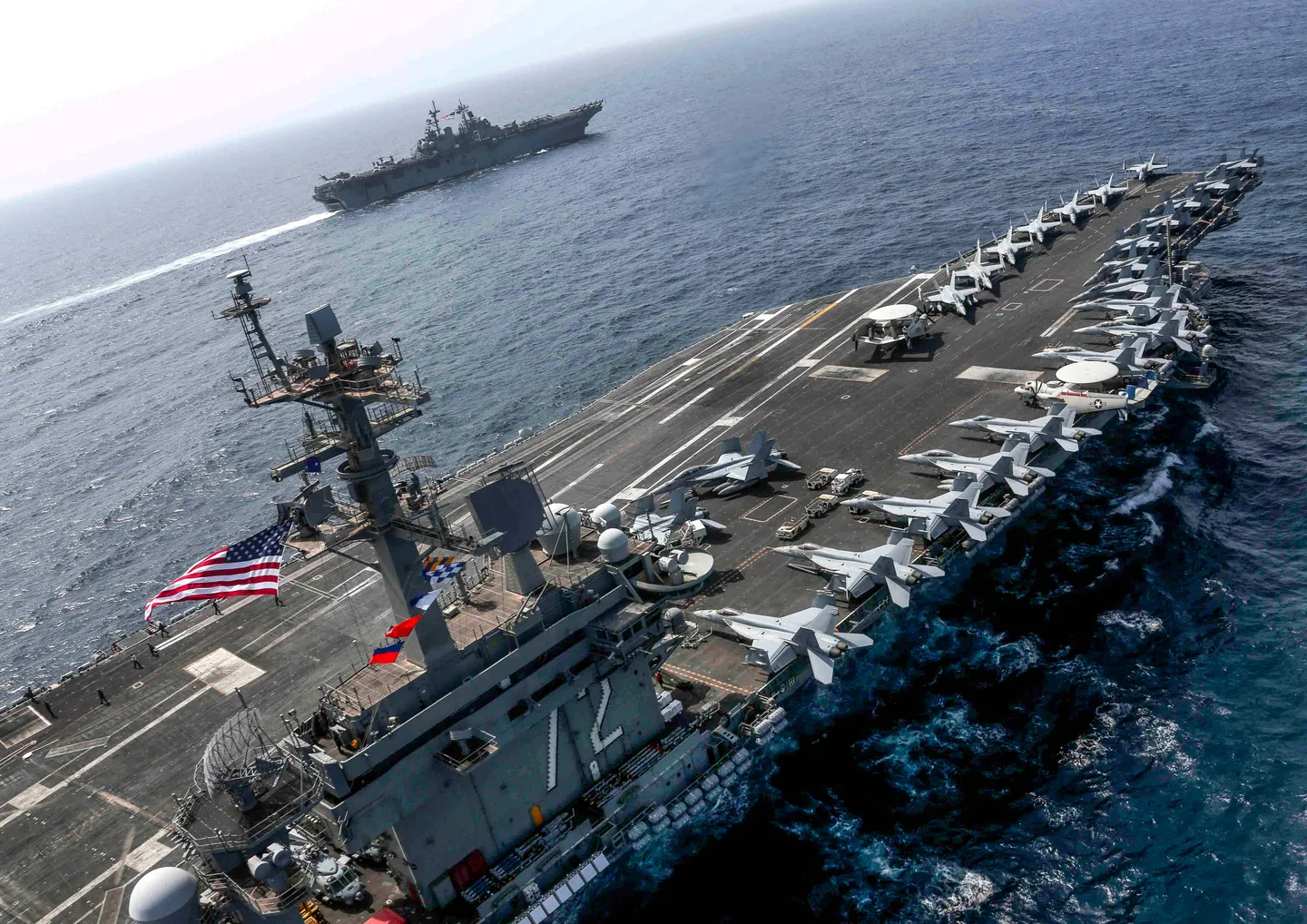
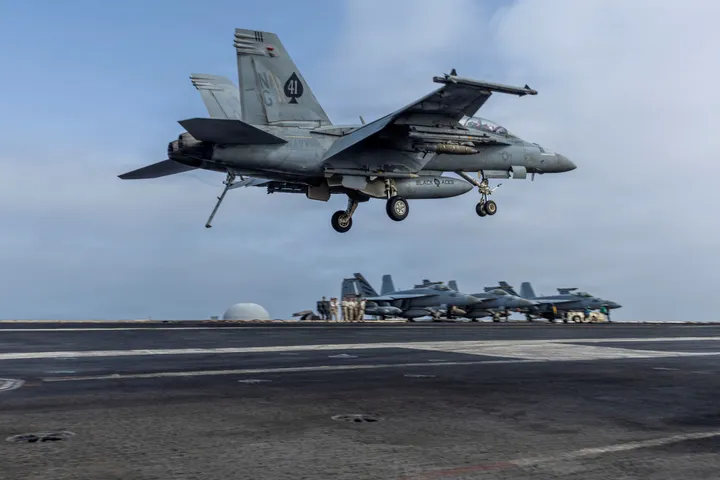
USS Abraham Lincoln (CVN 72) was sent to the Arabian Sea in January, near Iranian shores, as tensions between the US and Iran increased earlier this year.
Although the nuclear-powered aircraft carrier can remain at sea for up to 20 years without refuelling, its crew faced fatigue and mental health issues after over 200 days without visiting a port.
In recent weeks, reports in US media have highlighted growing concern among military families over conditions aboard the carrier, citing allegations of exhaustion, food shortages, water contamination, disruptions to mail deliveries and multiple suicide attempts.
“My son is currently on that ship and listening to him say that he and his shipmates constantly think about jumping off the ship just for relief is so hard to listen to,” wrote one of the parents to a deployed troop to Stars and Stripes in July.
“We are all tucked in at night in our beds at night meanwhile our loved ones are out there fighting with no understanding as to what they’re defending,” she continued.
The Pentagon and the US Navy denied reports claiming the ship is running low on supplies and that soldiers are experiencing rising suicidal tendencies.
Three US officials, speaking anonymously to CNN, confirmed that a sailor aboard USS Abraham Lincoln went overboard earlier this month. The sailor was rescued by an air wing search and rescue helicopter about an hour after the incident, according to sources.
During a town hall in San Diego, the home city of the aircraft carrier, a sailor's spouse informed top Navy officials that her husband had written a note saying he hopes he doesn’t wake up tomorrow.
Depleting missiles and munitions
The US military faces issues beyond troop morale, as Tehran has shown no signs of yielding under Trump’s pressure, instead suggesting new conditions for a potential settlement.




The Iran conflict has caused a substantial reduction in American missile systems, including Patriots and THAADs, and the military has also lost 25 percent of its Reaper drones, raising concerns about the direction the war is taking.
Recent estimates indicate that the US military has significantly depleted its Patriot interceptors and THAAD missiles.
The situation is even more critical for the long-range precision missiles, including Army Tactical Missile Systems (ATACMS) and Precision Strike Missiles (PrCM), which sources familiar with military data say have been almost entirely used up.
Before the war, the US possessed 2,330 Patriots and 452 THAAD missiles. By late July, this number dropped to fewer than 1,000 Patriot interceptors and between 234 and 278 THAAD units, based on a recent report from the Center for Strategic and International Studies (CSIS).
The Washington Post recently reported that depleted missile stocks sparked a heated dispute between Trump and Secretary of Defence Pete Hegseth at Camp David, Maryland, where the President accused him of failing to properly inform the White House about the military's arsenal.
The White House, however, denied the report.
Analysts also caution that restoring US missile inventories will be challenging, potentially costing American taxpayers significant payloads and taking years.
Another CSIS report indicated that the US military would not be able to restore its pre-war levels for Patriots and THAADs before at least mid-2029.
Some estimates are even more pessimistic. Analysing the Pentagon's request for 857 THAAD interceptors—used to defend against ballistic missiles—the conservative American Enterprise Institute estimated that, at current production rates, it would take about 27 years to meet Defense Secretary Pete Hegseth's request.
For analysts, the implications extend well beyond the conflict's financial cost. Months of sustained operations have depleted munitions, strained military resources and exposed the limits of America's defence industrial base at a time when Washington is also trying to deter rivals such as Russia and China.
Hegseth has already asked Congress for an emergency $87.6 billion supplemental defence package, saying the United States has spent $37.5 billion on the war with Iran so far and warning that additional funding may still be needed.