 Kazim Alam
Houthis, the Yemeni group considered one of Tehran’s allies in the so-called ‘Axis of Resistance’, entered the current US-Israeli conflict against Iran with ballistic missile strikes on Israel earlier this week.
It was the first confirmed strike by the Yemeni group since the war began over a month ago.
The timing surprised many observers, as they expected an earlier intervention from the Houthis, who have controlled Yemen’s western ports for over a decade and have a proven record of striking Israeli targets and disrupting Red Sea shipping.
Experts say the delay in the Houthis’ intervention was not due to hesitation or indecision.
Instead, the weeks-long caution on the part of the Yemeni group was the result of a deliberate calibration of their limitations, domestic priorities, and strategic opportunity.
Ghoncheh Tazmini, an Iran expert and author of Khatami’s Iran: The Islamic Republic and the Turbulent Path to Reform, tells TRT World that the timing of the maiden strike by the Houthis served the mutual interests of Iran and the Yemeni group, while preserving the latter’s image of autonomy.
“It is fundamental to underscore that the Houthis are portrayed by the Iranian government and media sources as autonomous but aligned,” she says.
Iranian media has consistently rejected the idea that Tehran simply “flicked a switch” to activate the group, she adds.
Instead, the dominant narrative in Tehran is that the Houthis operated on a “holding pattern”, issuing warnings and monitoring developments until a clear threshold was crossed.
At first, the Houthis issued a statement showing their readiness to intervene if the war widened or if the Red Sea became an operational theatre against Iran.
Soon after, they launched the first strike earlier this week.
“That sequence suggests a deliberate threshold-calibrated entry, not an impulsive one,” Tazmini says.
Joze Pelayo, associate director at the Scowcroft Middle East Security Initiative at the Atlantic Council, tells TRT World that the Houthis base their decisions on their own domestic calculus.
“Their decision to join with a calculated, targeted attack is precisely a sign of the balancing dilemma they face,” he says.
The group is protecting its credibility both domestically and with Iran, he says.
Staying out of the war entirely was “nearly impossible” for the Houthis, as anti-Israel posturing is one of its “core ideological positions”.
“The Houthis appear to be managing a tough balance between supporting a war that they are ideologically aligned with, while preserving the ongoing roadmap process with Saudi Arabia,” he says.
Saudis now have effective control over the UN-recognised government of Yemen, the Aden-based formal setup led by the Presidential Leadership Council (PLC).
The Houthis control the capital, Sanaa, and much of the north-western parts of the war-torn country.
“Disrupting Saudi interests could put the final nail in the coffin of the ceasefire talks,” Pelayo says.
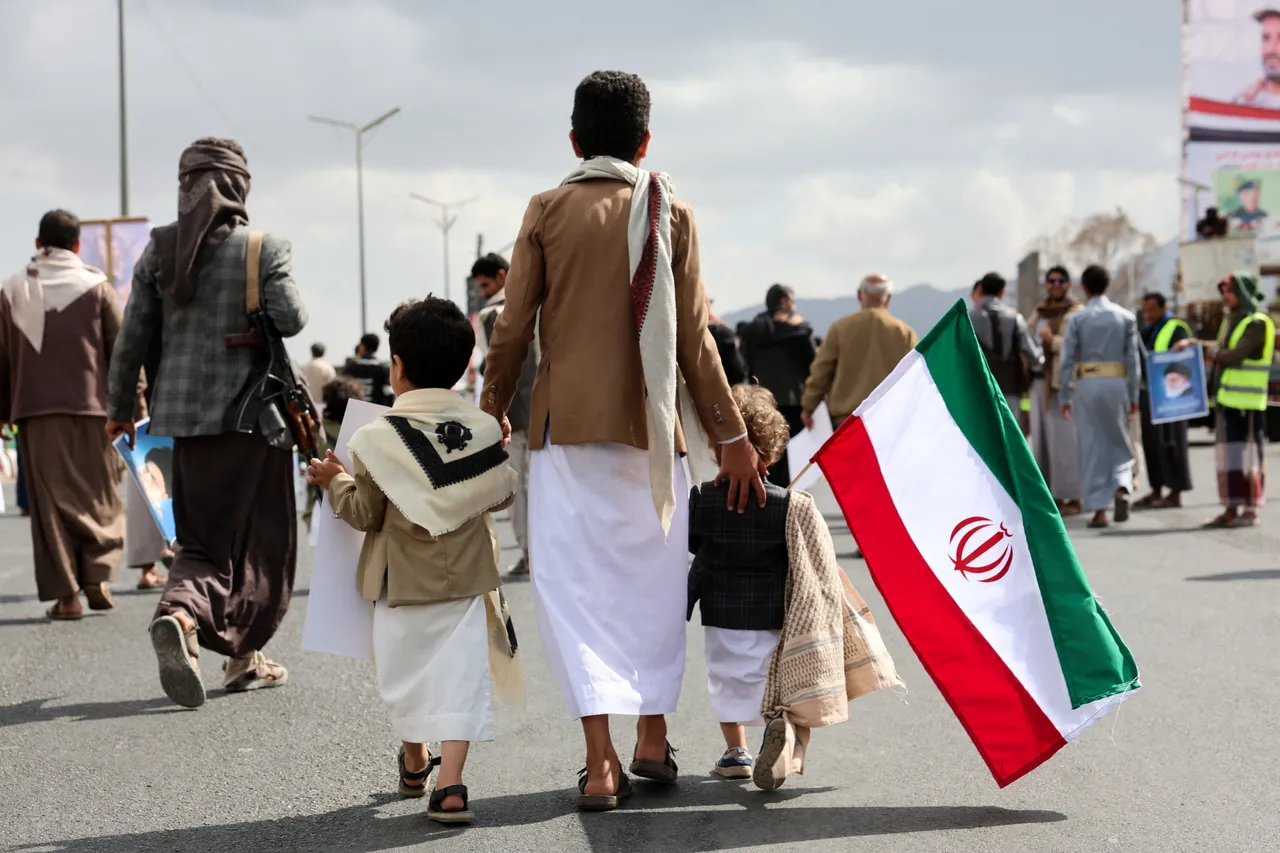
The relationship between the Houthis and Tehran has long been one of alignment rather than outright command-and-control, experts say.
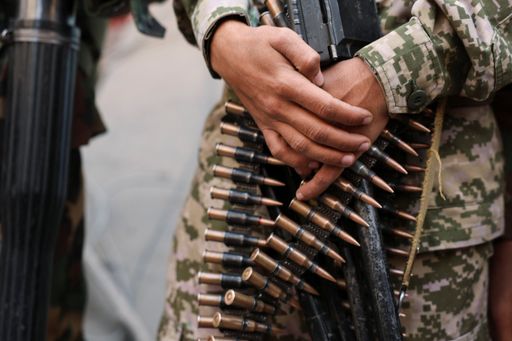
US and Western officials have repeatedly described the group as Iranian-backed, with Tehran supplying weapons, funding, and training through the Revolutionary Guard (IRGC) and Hezbollah facilitators.
The Houthis themselves deny being mere proxies, insisting they develop much of their own weaponry and seek Yemeni and Palestinian solidarity.
Recent evidence underscores the continued flow of weaponry from Iran.
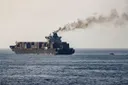
In March, the internationally recognised Yemeni government intercepted Iranian arms shipments destined for the group.




“This indicates that they are still able to receive shipments and supplies from their patron,” Pelayo says.
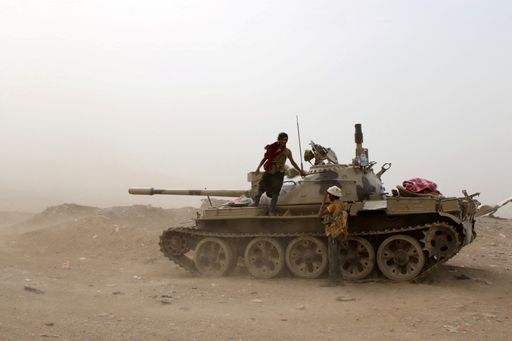
Tazmini describes the group as a “non-conventional, asymmetric force rather than a traditional military,” built around three pillars: missiles, drones, and maritime systems.
They seek “persistence and cost imposition”, not battlefield dominance.
Houthis don’t control the water or chokepoints, but can make the Red Sea dangerous enough that others pay a price to use it, she says.
Pelayo notes that the Houthis' arsenal predominantly includes ballistic missiles, drones, and even unmanned underwater vehicles.
Domestic manufacturing and assembly inside Yemen have grown, providing resilience if Iranian resupply is disrupted, he says.
“However, fully entering the war would demand a sustained supply pipeline that their domestic capabilities simply cannot yet provide,” he says.
Threat to international shipping
This hybrid military capability, comprising imported Iranian weaponry coupled with local production, has already helped the Houthis gain significant nuisance value.
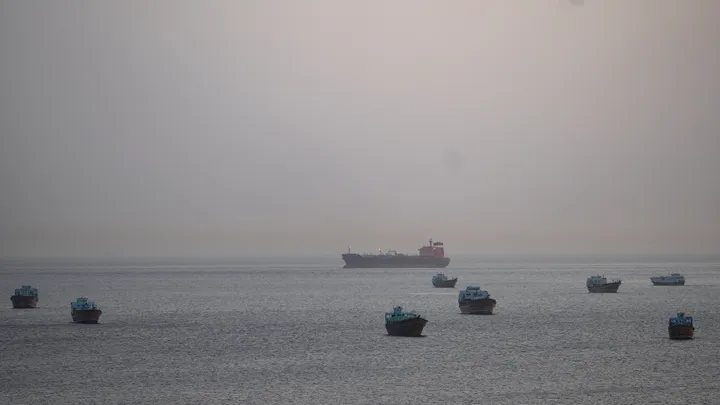
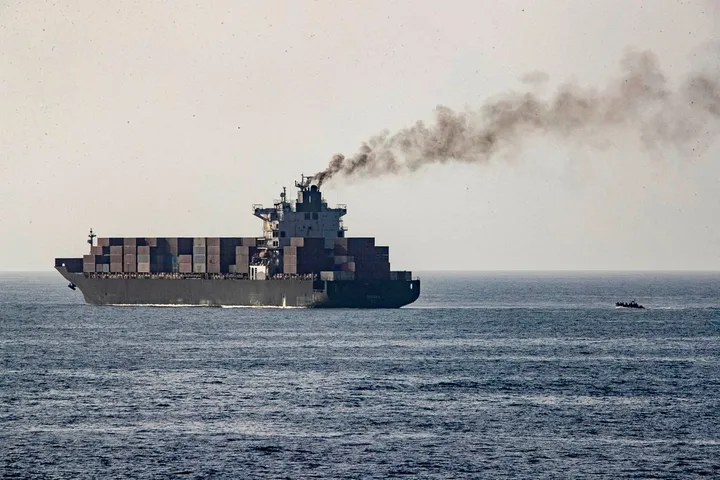
In the two years of the Israeli war on Gaza, the Houthis frequently attacked commercial ships passing through the Red Sea, a seawater inlet that separates Asia from Africa.
As a major maritime trade route that cuts the distance between Asia and Europe by half, the Red Sea handles 22 percent of global seaborne container trade.
But for a large part of the genocidal Israeli war on Gaza, the threat of getting fired upon by Yemen-based fighters forced major shipping companies to reroute carriers around the Cape of Good Hope, the southernmost tip of the African continent.
The rerouting plunged Red Sea traffic by roughly 70 percent at one point, driving up global shipping costs, insurance rates and overall energy prices.
With the ongoing US-Israeli war against Iran, analysts worry that the Houthis will again turn the Red Sea into a theatre of economic warfare.
Tazmini sees the Bab al Mandeb Strait, a maritime chokepoint under the threat of Houthi attacks, and the Iran-controlled Strait of Hormuz as “two parts of a single strategic concept”.
Iran is already restricting shipping traffic through the Strait of Hormuz, the narrow waterway connecting the Persian Gulf to the Gulf of Oman through which roughly one-fifth of global oil trade passes.
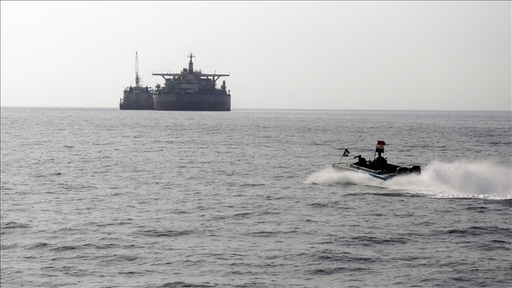
A similar blockade by the Houthis around the Bab al Mandeb Strait will expand the battlefield “geographically and economically at a low cost”, she says.
The Houthis do not need to sink every vessel in the waterway to hurt global trade. The mere threat of an attack is enough to force escorts, divert traffic, and keep insurers and shippers on edge.
“The Houthis can threaten the Red Sea by becoming a persistent irritant,” Tazmini says.
“They can… keep the entire corridor in a state of tension. That’s already enough strategically,” she adds.
Pelayo warns that even a single high-profile strike by the Houthis can have global consequences.
“Under the current conditions, such an attack could send shockwaves through the global markets, with cascading effects on traffic through the Bab al Mandab Strait and the Suez Canal,” he says.