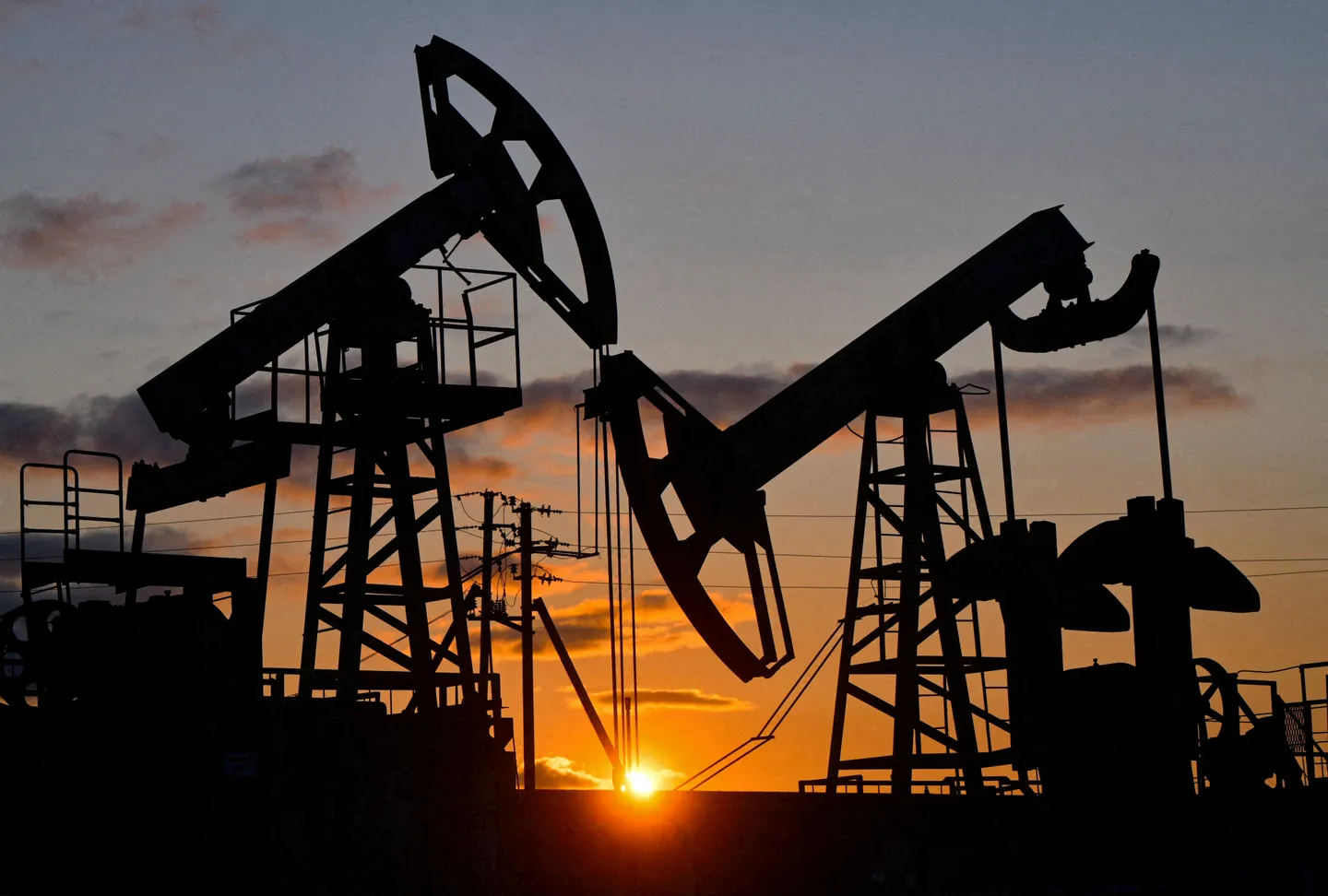
Oil prices jumped on Thursday after Axios reported that Admiral Brad Cooper, commander of US Central Command, would brief President Donald Trump on new military options for action against Iran, a development that analysts say signals a potential return to active combat and marks a significant escalation in an already volatile standoff.
According to Bloomberg, the report sent Brent crude surging as much as 7.1 percent to above $126 a barrel before paring some gains, with traders unnerved by the striking parallel to events just before the war began. Admiral Cooper gave Trump a similar briefing on February 26, two days before the US and Israel launched strikes on Iran on February 28.
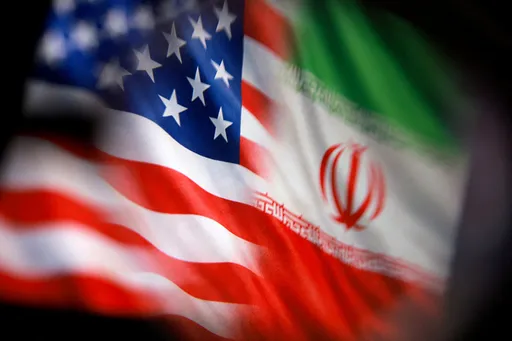
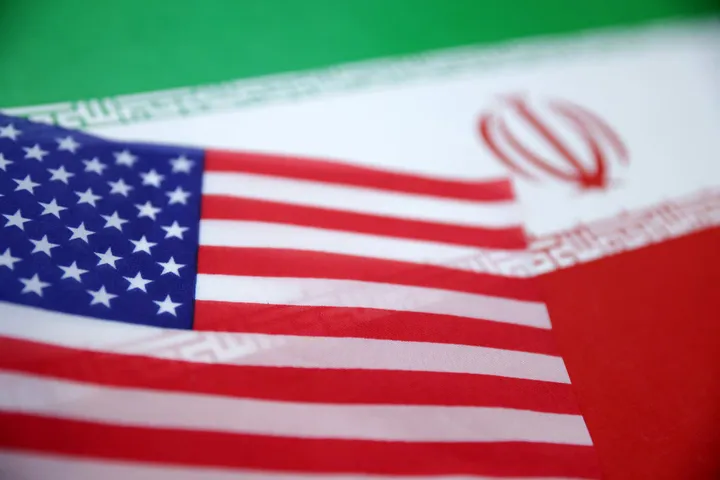
The timing could hardly be more alarming for markets already on edge. A ceasefire has held since early April, but repeated attempts to bring US and Iranian negotiators back to the table have collapsed, with both sides maintaining their competing blockades of the Strait of Hormuz.
Adding to the tension, US Central Command has requested hypersonic missiles be deployed to the Middle East, which would mark the first time Washington has deployed such weapons in the region, while a plan for a "short and powerful" wave of strikes on Iranian infrastructure is reportedly already on the table.
"Trump has ripped away the security blanket the market was clinging to," said Robert Rennie of Westpac Banking Corp, warning that traders are now being forced to confront a far uglier reality as neither side has a clear incentive to negotiate, and energy prices keep rising higher.
Trump's blockade warning sends oil soaring
US President Trump indicated this week that the US naval blockade of Iranian ports was not going away soon. Speaking to Axios, Trump said that the blockade was "somewhat more effective than the bombing," adding that Iran was "choking" and that things would get "worse for them."
The prospect of the strait remaining closed or restricted for months sent crude prices to levels not seen since Russia's military offensive in Ukraine in 2022.
In a post on his Truth Social platform, Trump warned Tehran to "get smart soon" over a nuclear deal, accompanying the message with an illustration of himself holding a rifle and the caption "NO MORE MR. NICE GUY."
The Wall Street Journal reported that Trump had instructed national security officials to prepare for a long blockade aimed at compelling Iran to abandon its nuclear programme. A White House official confirmed that Trump discussed steps at a meeting with oil executives to "continue the current blockade for months if needed" while minimising the impact on American consumers, a signal that Washington is settling in for a prolonged economic confrontation with Tehran.
Hormuz: World's most dangerous chokepoint
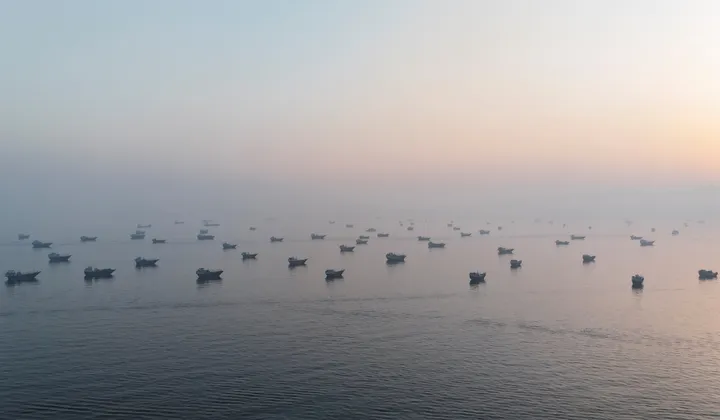
At the heart of the crisis lies the Strait of Hormuz, the narrow waterway through which approximately one-fifth of the world's oil and gas supply used to pass daily. Iran has sought to exert control over the strait since the war began, using it as leverage against the US and its allies.
Tehran this week submitted a fresh proposal to reopen the waterway in exchange for Washington lifting its blockade, but the Trump administration remained deeply sceptical.
US Central Command reported this week that it had successfully redirected 42 commercial vessels attempting to violate the blockade, with 41 tankers carrying 69 million barrels of Iranian oil, valued at over $6 billion, unable to reach buyers.
Iran's parliament speaker Mohammad Bagher Ghalibaf accused Washington of trying to make Iran "collapse from within."
Global markets feel the pressure
The surge in oil prices unsettled global financial markets, with stock exchanges in Tokyo, Hong Kong, Mumbai, Sydney, Seoul, Bangkok, Manila and Jakarta all closing lower. The dollar rose against its peers as investors sought safe-haven assets amid the escalating uncertainty.


Analysts warned that expensive energy, if sustained, would eventually bleed into the broader economy in ways that are difficult to reverse.
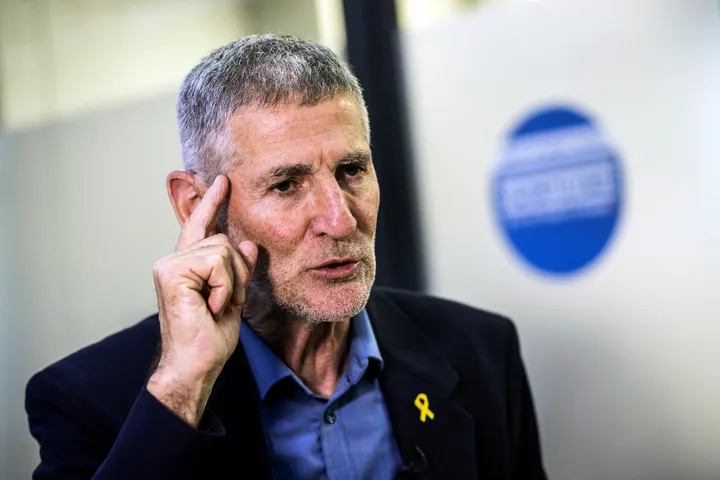
SPI Asset Management's Stephen Innes cautioned that the widening gap between rising oil prices and relatively resilient stock markets could not last indefinitely. Expensive energy, he noted, moves quietly through the system from fuel pumps to logistics to corporate margins before eventually surfacing in economic data that central banks respond to after the fact.
The Federal Reserve, at its latest meeting, voted to hold interest rates amid fears of an inflation spike driven by surging energy costs.
Diplomacy at a standstill and deepening fractures
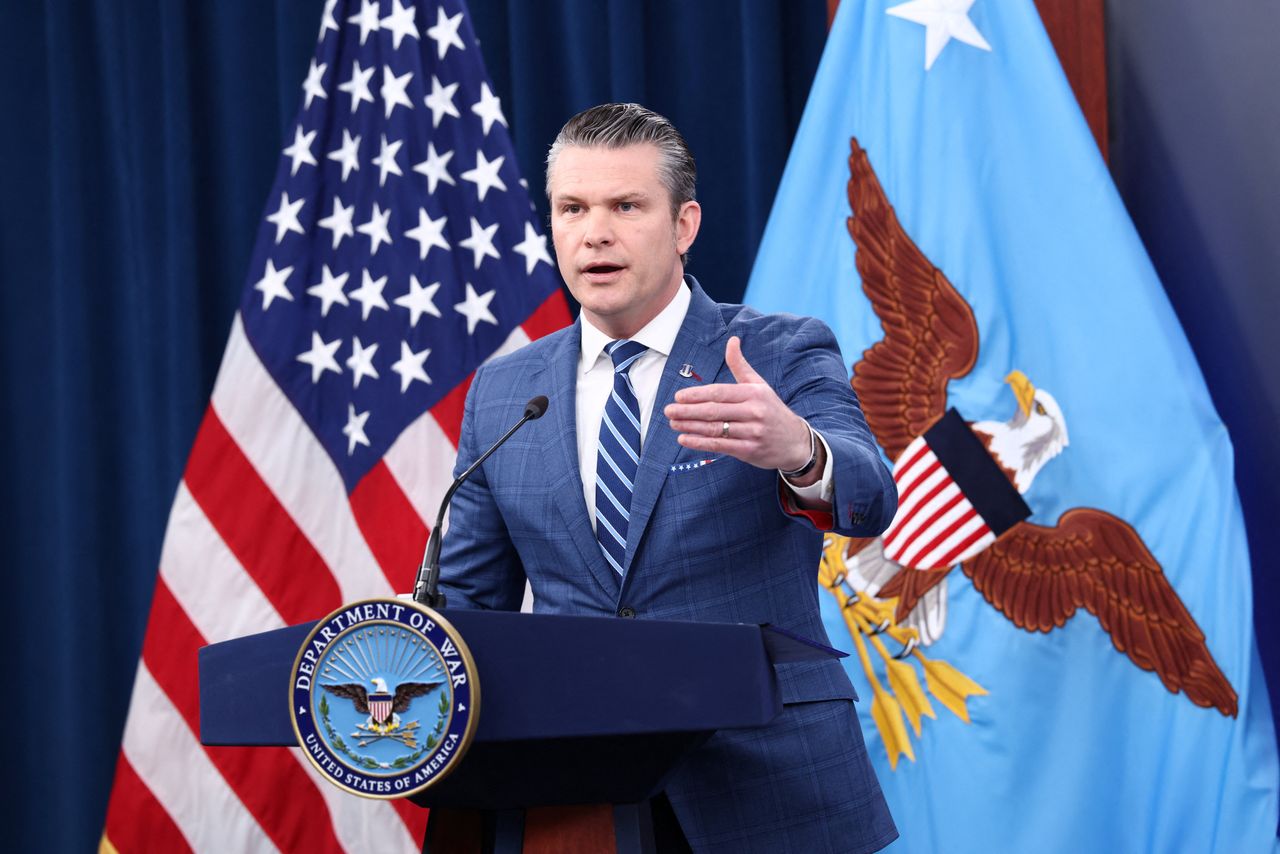
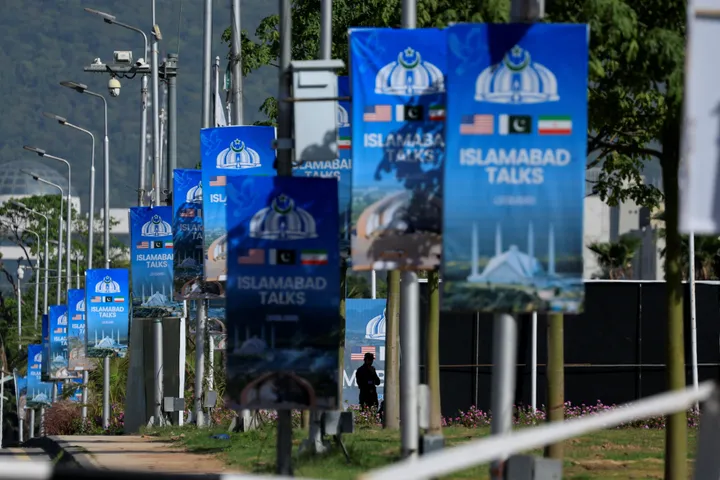
While oil markets reacted to Trump's blockade warning, the diplomatic front offered little reassurance. Top US officials including Vice President JD Vance twice turned back from trips to Pakistan to negotiate with Iran, which has voiced doubts about Washington's sincerity.
US officials privately acknowledged they were unsure who speaks for Iran — whether the hardline Revolutionary Guards or diplomats — following Israeli strikes that killed a series of senior Iranian leaders.
Trump also lashed out at German Chancellor Friedrich Merz, threatening to reduce US troops in Germany after Berlin refused to back the Iran war or contribute to a “peacekeeping force” in the Strait of Hormuz.
Merz had earlier said Iran was "humiliating" Washington at the negotiating table, remarks that drew a sharp rebuke from Trump, who accused the German leader of not knowing "what he's talking about."
The exchange highlighted growing fractures between Washington and its European allies over the handling of the conflict.
Human cost mounts
Beyond the financial markets, the human cost of the war continues to grow. The UN Development Programme warned this week that the conflict, which has sent fertiliser prices soaring alongside oil, could push more than 30 million people into poverty across 160 countries.
UNDP chief Alexander De Croo described the situation as "development in reverse," warning of cascading effects on food security and livelihoods far beyond the Middle East.
Inside Iran, the economic toll is also mounting. The Iranian rial fell to historic lows against the dollar, and Tehran residents spoke of deepening despair.
"Every time negotiations have taken place, the economic situation has only gotten worse," one 52-year-old architect told AFP.
Meanwhile, in Lebanon, a UN-backed report said more than 1.2 million people were expected to face acute hunger as a result of the latest war — a stark reminder that the consequences of stalled diplomacy are measured not just in oil prices, but in lives.