 Murat Sofuoglu
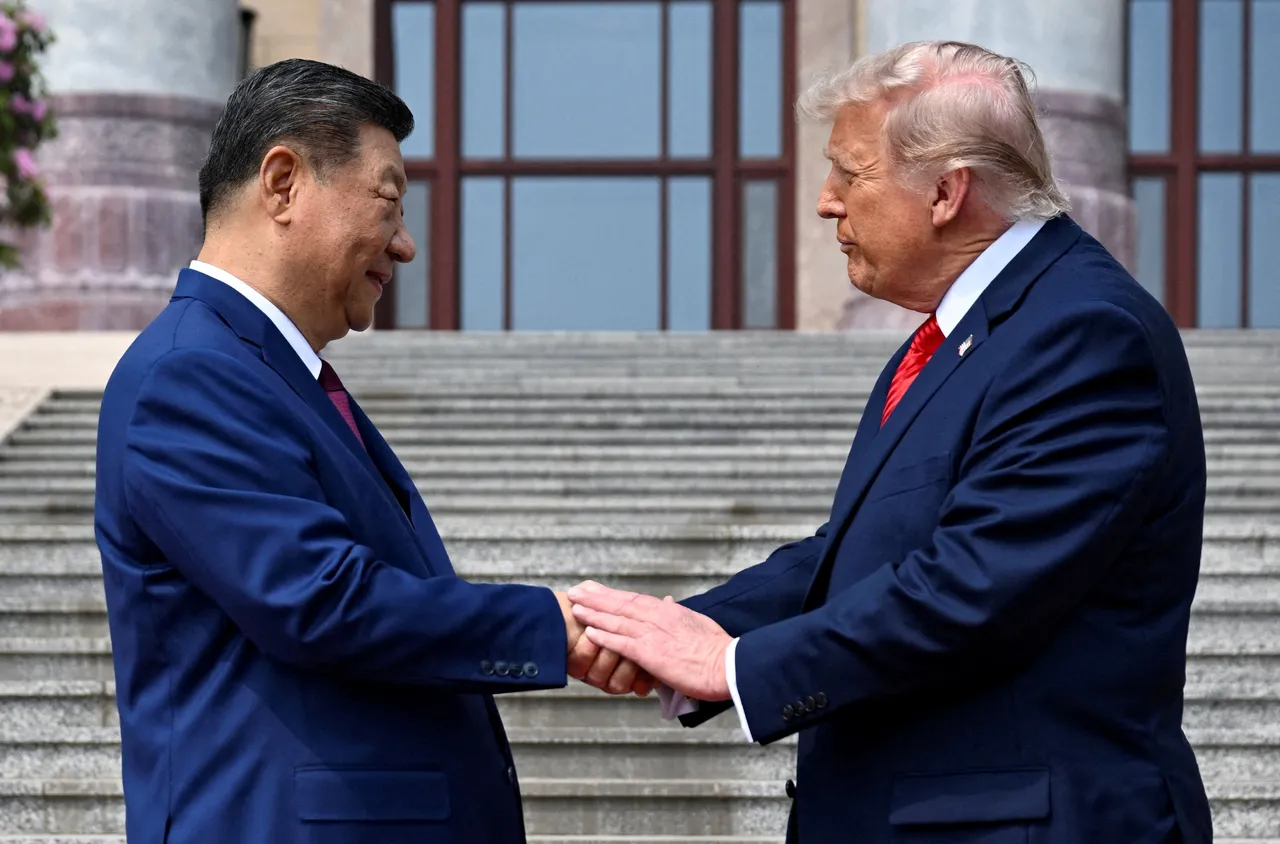
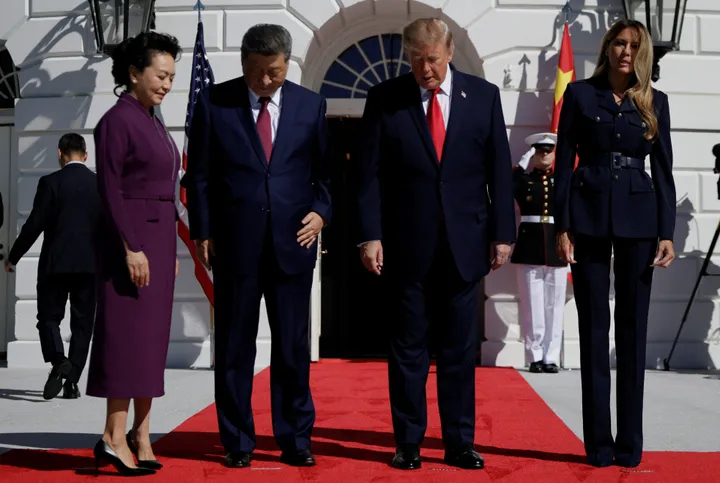
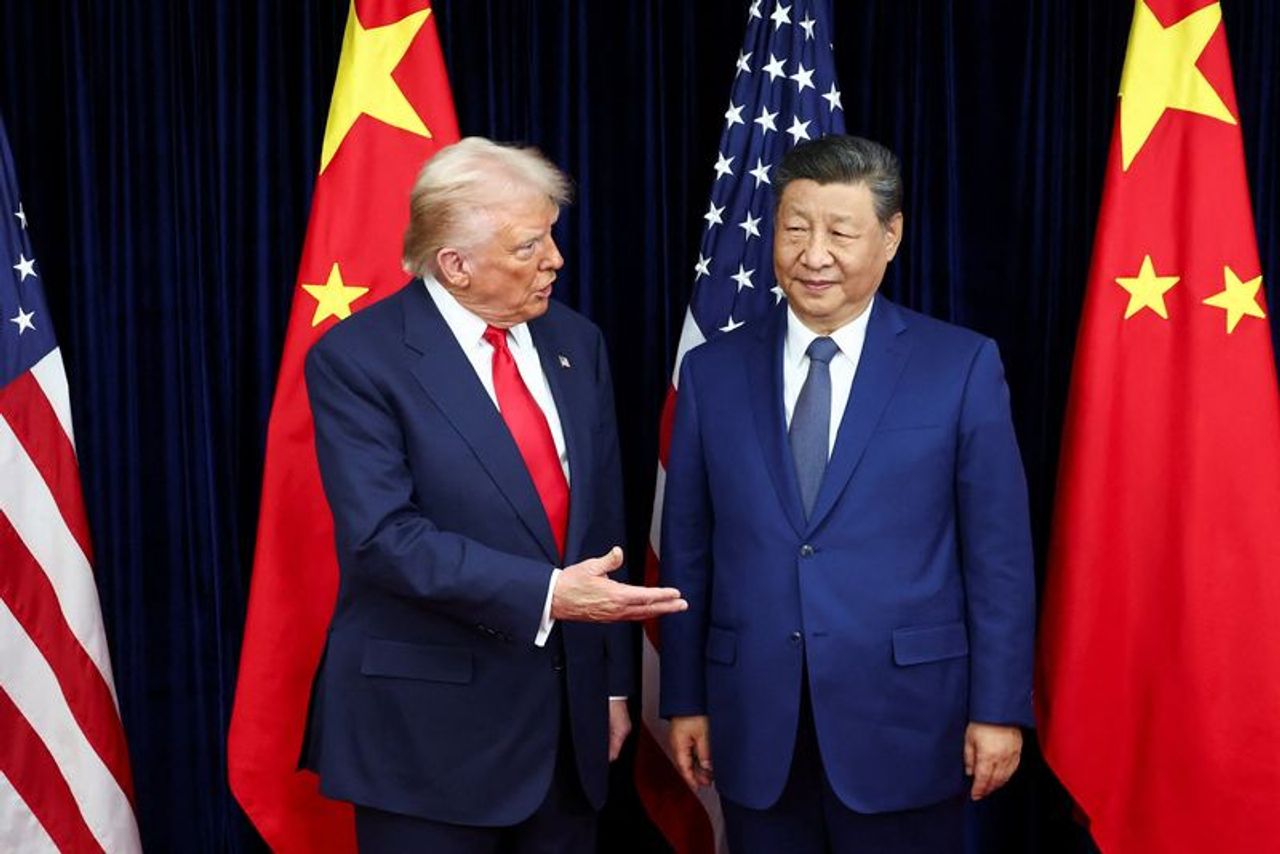
Trade tensions between the United States and China may now be headed for a more structured phase after US President Donald Trump and Chinese President Xi Jinping agreed to establish a new mechanism to manage economic disputes.
Following Trump’s visit to Beijing last week, the two sides announced the creation of the Board of Trade to oversee bilateral trade in non-sensitive goods alongside a Board of Investment that would allow both governments to discuss investment-related issues more directly.
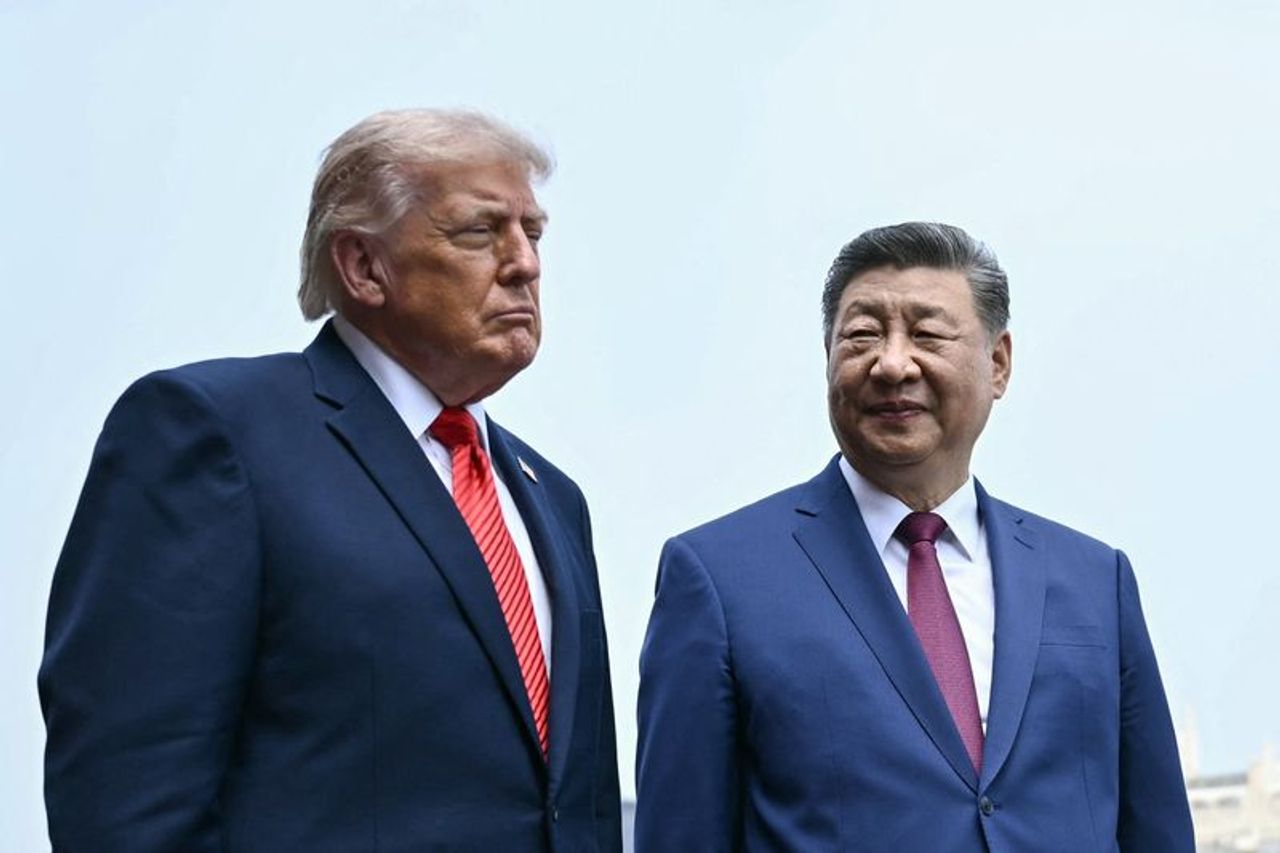
“President Trump and President Xi agreed that the United States and China should build a constructive relationship of strategic stability on the basis of fairness and reciprocity,” said a White House statement after the summit.
The announcement comes after months of uncertainty following last year’s unresolved tariff war, which raised questions about whether Washington and Beijing were heading toward a broader trade deal or deeper economic decoupling in strategic sectors such as semiconductors and rare earths.
While the summit ended without a comprehensive agreement, both sides presented the new institutions as a way to stabilise ties and manage future disagreements.
“A formal board of trade, which implies a rule-based bilateral consultation mechanism on tariffs, market access, investment monitoring, and dispute resolution would represent a significant institutional track change,” Mehmet Babacan, professor of economics at Marmara University, tells TRT World.
But Babacan notes that previous attempts to institutionalise trade relations between the two countries have produced limited results. As a result, he believes US-China economic relations will “still suffer from a gap to address the dispute resolution issues via a permanent body”.
Other experts caution that the growing strategic rivalry between Washington and Beijing could complicate the effectiveness of institutions such as the proposed Board of Trade, even as both sides attempt to stabilise relations through dialogue.
“A ‘Board of Peace’ may help reduce tensions diplomatically, but it is unlikely to resolve the deeper sources of US–China friction because trade and security issues are now closely interconnected,” Sylwia Monika Gorska, an expert on Asia-Pacific, tells TRT World.
The competition between the two powers is especially visible in sectors such as semiconductors, AI, telecommunications infrastructure and critical supply chains, according to Gorska.
“Policies initially framed around trade or industrial competition are now increasingly treated by both Washington and Beijing as matters of national security and strategic leverage.
As a result, economic disputes can no longer be easily separated from wider geopolitical tensions.”
However, despite the shortcomings of previous attempts, experts say institutional mechanisms such as the proposed Board of Trade are still preferable to an uncontrolled escalation into a full-scale trade war between the world’s two largest economies.
Better trying than quitting
Since the 1980s, as globalisation accelerated, Chinese Communist Party leaders gradually reformed the country’s economic system to integrate it into global free-market structures, transforming China into the world’s leading manufacturing hub through low-cost labour, large-scale industrial capacity and business-friendly policies.
Major American companies, from Apple and Nike to automotive giants such as Ford Motor Company, General Motors, and Tesla, have benefited from China’s manufacturing ecosystem and relied heavily on Chinese production networks.
The US technology sector also depends on China’s dominance in rare earth refining, with Beijing processing more than 90 percent of the global supply.
At the same time, China remains dependent on American technology, particularly in semiconductors and AI-related industries.
Beijing also imports significant amounts of US agricultural products, including soybeans, grain and meat, while a substantial share of Chinese exports still flows to American markets.
The deep economic interdependence between the two powers means that a complete economic separation would carry major costs for both sides.
“Instead of forming separate trade blocs, both countries are attempting to keep the trade war at a controlled level through a strategic approach,” Rasim Ozcan, professor of economics at Istanbul University, tells TRT World.
“The Board of Trade concept refers to the search for a mechanism aimed at protecting essential trade flows between the two economies, particularly by excluding certain strategically less sensitive products from the scope of competition, tariffs and sanctions.”
Institutionalisation efforts


Long before the proposed Board of Trade, the United States and China made several attempts to manage trade disputes and stabilise economic ties through institutional dialogue mechanisms.
One of the earliest efforts came in 1983 with the creation of the US-China Joint Commission on Commerce and Trade (JCCT), an annual high-level forum designed to address bilateral trade issues, promote commercial cooperation and remove systemic barriers between the two economies.
As relations improved over the following decades, the JCCT gained greater political weight. The forum was co-chaired by the US Secretary of Commerce, the US Trade Representative, and a Chinese vice premier, making it one of the most important channels for economic dialogue between Washington and Beijing.
In 2009, under former US President Barack Obama, the two sides launched another initiative known as the Strategic and Economic Dialogue (S&ED).
The mechanism emerged alongside the Obama administration’s broader “Pivot to Asia” strategy, which reflected Washington’s growing focus on China’s expanding economic and geopolitical influence.
At the time, some analysts viewed the S&ED as a potential foundation for a broader “G2” relationship, a concept proposed by economist Fred Bergsten in 2005 to describe a possible framework of joint global leadership between the US and China.
Despite initial optimism, however, neither the JCCT nor the S&ED survived the growing trade tensions and strategic competition that later defined relations between the two powers.
“While both initiatives functioned as early prototypes of newly-announced board-of-trade, providing ministerial-level forums for commercial negotiation, both gradually became dysfunctional,” Babacan tells TRT World.
During Donald Trump’s first term in 2017, as trade tensions with China intensified, both the JCCT and the S&ED were effectively suspended, weakening formal dialogue channels between the two sides.
The following year saw the outbreak of the first major US-China trade war after the Trump administration imposed tariffs on Chinese exports.
A similar pattern re-emerged during Trump’s second administration last year, when Washington imposed new tariffs on Chinese goods, triggering uncertainty not only in American and Chinese markets but also throughout the global economy.
Is equality good for partnership?
The collapse of earlier dialogue mechanisms, such as the JCCT and S&ED, has left many analysts sceptical about whether new initiatives, such as the proposed Board of Trade, can succeed, particularly as China grows more assertive across areas ranging from military power to trade, technology and global diplomacy.
At the same time, Beijing has increasingly prioritised self-reliance and diversification in strategic sectors such as energy, semiconductors and advanced manufacturing, reducing its vulnerability to external pressure.
Some experts also argue that institutional trade frameworks tend to function more effectively between unequal partners than between powers with relatively comparable economic and geopolitical weight.
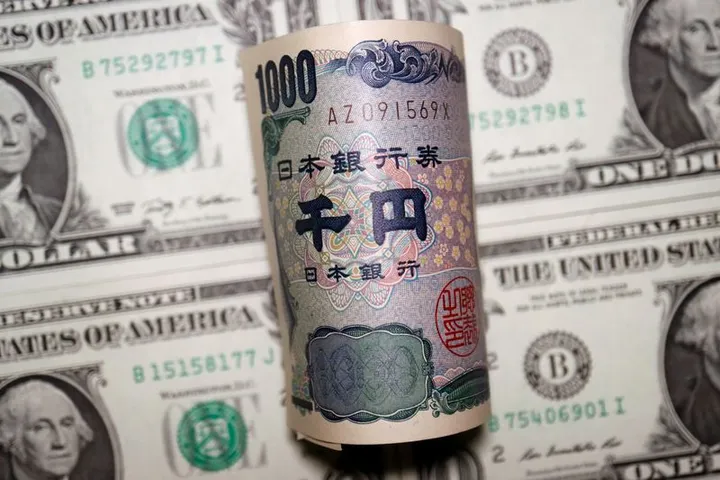
“In the US-Japanese context for example, where under the Harris Treaty of 1858 and subsequent commercial conventions, asymmetric trade terms were imposed on Japan is a reminder that bilateral trade boards, when formed between unequal powers, tend to solidify rather than reduce power asymmetries,” Babacan says.
Following World War II, Japan’s economic rise was closely tied to US assistance and economic models, with Tokyo broadly operating within a US-led international order.
But analysts say the situation is fundamentally different with China, which sees itself as a global power capable of negotiating with Washington on equal footing.
This is “an important point much relevant to any US-China arrangement given Beijing's insistence that any agreement must rely on ‘equality and mutual respect’,” Babacan says.
“If a US-China board of trade would be constituted —whether modeled on the JCCT's functional scope, expanded to involve investment screening coordination, technology transfer rules and sectoral market access commitments; or structured more ambitiously as a standing bilateral trade court with a binding arbitration— it might well have a substantial and significant impact but it’s all conditional.”
Despite those uncertainties, experts say a functioning trade mechanism between Washington and Beijing could still bring important economic benefits and reduce volatility across global markets.
“It could reduce the estimated $316 billion in annual bilateral trade costs from tariffs and non-tariff uncertainties and provide a wall against escalatory tariff spirals, and potentially serve as the core of a broader multilateral framework reform at multilateral (i.e. the WTO) level,” Babacan says.
“However, such a body's effectiveness would hinge critically on whether it possesses a sound and real enforcement authority and on whether both sides could agree on a common credible standard for issues like subsidies and market distortion disciplines which lie at the heart of the bilateral commercial conflict.”