 Baba Umar
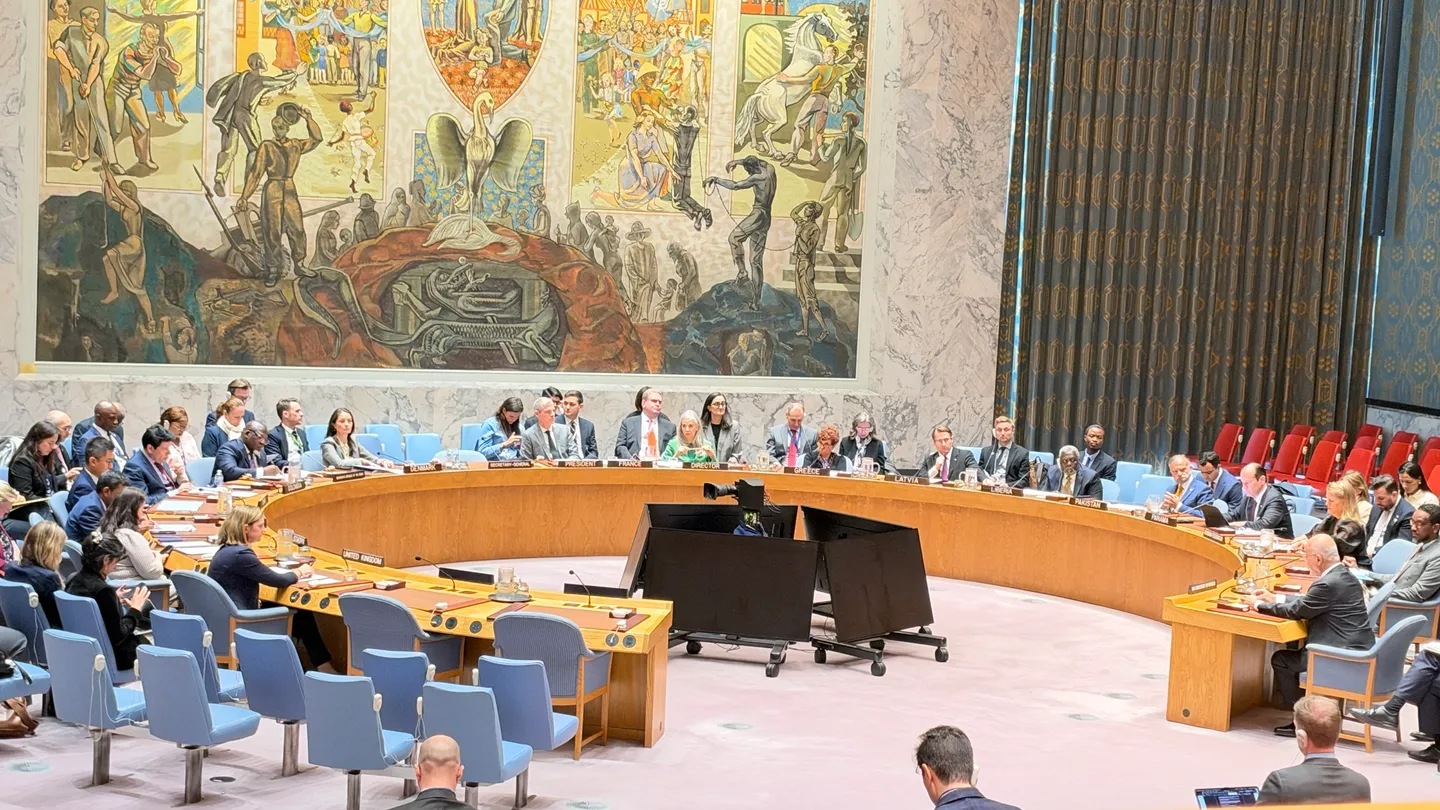
UN Security Council, New York — It was his first briefing to the 15-member UN Security Council (UNSC) as the UN High Commissioner for Refugees (UNHCR).
And Barham Salih — himself a former refugee and former president of Iraq — wasted no time in expressing the severity of the refugee and migrant crisis across major conflict zones.
Salih told the Security Council members that conflicts fuel refugee crises, stressing humanitarian agencies cannot build peace and the council must leverage its influence to halt wars.
"Some 117 million people (nearly the population of Philippines or Japan) have been forced to flee their homes by conflict, persecution and other threats," he told the UNSC members in the Friday’s briefing, warning forced displacement is outpacing solutions, conflicts are multiplying while political solutions to conflicts remain elusive.
In the briefing that came on the sidelines of the ongoing UN General Assembly, the high commissioner for refugees said the "world’s largest displacement crisis" is currently taking place in Sudan, insisting there is no military solution to the war there while urging the UNSC to use its influence "collectively and individually" to help bring the conflict to an end.
In the Democratic Republic of the Congo or DRC, Salih said that generations have suffered and children are born into displacement and uprooted again.
He touched on the Washington Peace Accord and the Doha Declaration that he said offer "important openings" for greater peace and security.
"For displaced people, the real test of a peace process is whether it changes conditions on the ground. They are not yet seeing that change. I urge the Council to help sustain support for the implementation of those commitments," the UN refugees chief said.
Do not 'lose sight of the 1.2 million Rohingya'
In Ukraine, he said, the war continues to exact an enormous human cost.




"Civilians and infrastructure have been destroyed, and families have been uprooted. Millions remain displaced inside and outside the country. Ukraine needs peace, and Ukrainians need solutions — but recovery cannot wait for the war to end," he said.
Salih said that in Western Sahara, displacement has persisted for more than half a century, and the urgency is growing. "Solutions must start with the refugees," he added.
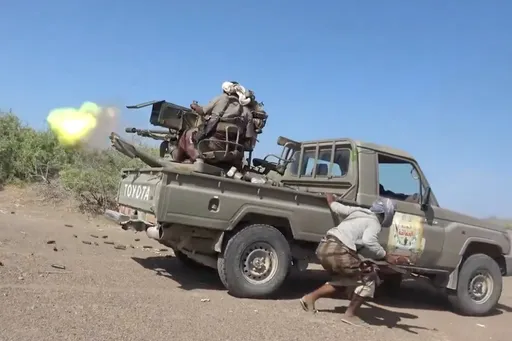
He also announced that the UNHCR has declared a level 1 emergency for Somalia, Yemen and Djibouti, and is providing cash and shelter assistance to Yemeni refugees who are fleeing the deepening humanitarian crisis.
"I call for the immediate release of all UN personnel, including UNHCR staff, detained by the Houthi de facto authorities," he said.
He informed the UNSC that in Mali and Burkina Faso, some four million people are displaced across the region, while urging the Council members "not lose sight of the 1.2 million Rohingya who remain in Bangladesh."
"More than nine years after the mass displacement of 2017, an entire generation of Rohingya children is growing up in exile. The solution lies in Myanmar," he suggested.
He said that conditions are not yet suitable for the voluntary return of Rohingya Muslims, urging the Security Council to remain actively engaged.
He reminded the UN Security Council members of the 1951 Refugee Convention, noting that after World War 2, nations established a vital principle — those fleeing persecution must be protected.
The UN refugee chief also cited successful repatriations, informing the Council that 3.8 million displaced Syrians have returned home, and hailing the Syrians’ "unmistakable determination to rebuild."
"For more than ten years, Syria was a headline of violence. Now Syria has an opportunity to see large numbers of refugees go home and rebuild. We must not lose that opportunity," he said.
Salih also said his organisation expects around eight million Afghans to return to their home areas by the end of 2026.